
Few recommendations produce a stronger reaction than this one. Root canal treatment has a reputation built largely on how it was done decades ago, and it tends to overshadow the reason it is being suggested in the first place.
That reason is always the same: the nerve inside the tooth is inflamed or infected, and the choice is between treating it and removing the tooth.
What Is Inside a Tooth
Beneath the enamel and dentine, each tooth contains a soft core called the pulp, made up of nerves, blood vessels and connective tissue. The pulp extends down through narrow channels in each root, the root canals.
The pulp does useful work while a tooth is developing. In a fully formed adult tooth, it mainly provides sensation and a limited repair response. A tooth can function perfectly well without it, which is what makes root canal therapy possible.
How the Pulp Becomes Damaged
- Deep decay that reaches the pulp, often after a cavity has gone untreated
- A crack or fracture allowing bacteria to reach the nerve
- Repeated dental work on the same tooth, where cumulative irritation eventually inflames the pulp
- Trauma, sometimes years earlier, where a knock damaged the blood supply
- Severe wear exposing the pulp in heavily ground-down teeth
- Gum disease in some cases, where infection reaches the root tip from below
The Signs
Sometimes the symptoms are unmistakable:
- Severe or throbbing toothache, particularly at night
- Pain lingering well after hot or cold, rather than passing in seconds
- Pain on biting or pressure
- Swelling of the gum or face
- A pimple-like bump on the gum that may discharge
- A tooth that has darkened after an old injury
Sometimes there are none at all. An infection at the root tip may be found only on an X-ray taken for another reason, which surprises people but is common. Nerves can die quietly.
Why the Problem Does Not Resolve on Its Own
Once bacteria establish themselves inside the root canal system, the body cannot clear them. The pulp has a single narrow blood supply entering at the root tip, and once that is compromised, immune cells and antibiotics cannot reach the tissue inside the canals.
Antibiotics may settle a spreading infection temporarily and make you feel better, which is why some people assume the problem has gone. It has not. The source remains, and the infection typically returns.
Left untreated, infection extends beyond the root tip into the surrounding bone, forming a dental abscess. That can cause significant pain and swelling, and in uncommon cases infection spreads further into the tissues of the face and neck, which is a medical emergency.
What the Treatment Does
Root canal therapy removes the damaged pulp, cleans and shapes the canal system, disinfects it and seals it, so bacteria no longer have a space to occupy. It is usually carried out over two or more visits, under local anaesthetic, with a rubber dam isolating the tooth.
Most people report that the appointment feels similar to having a large white filling. The pain people associate with root canals is usually the pain of the infection beforehand, and treatment is what relieves it.
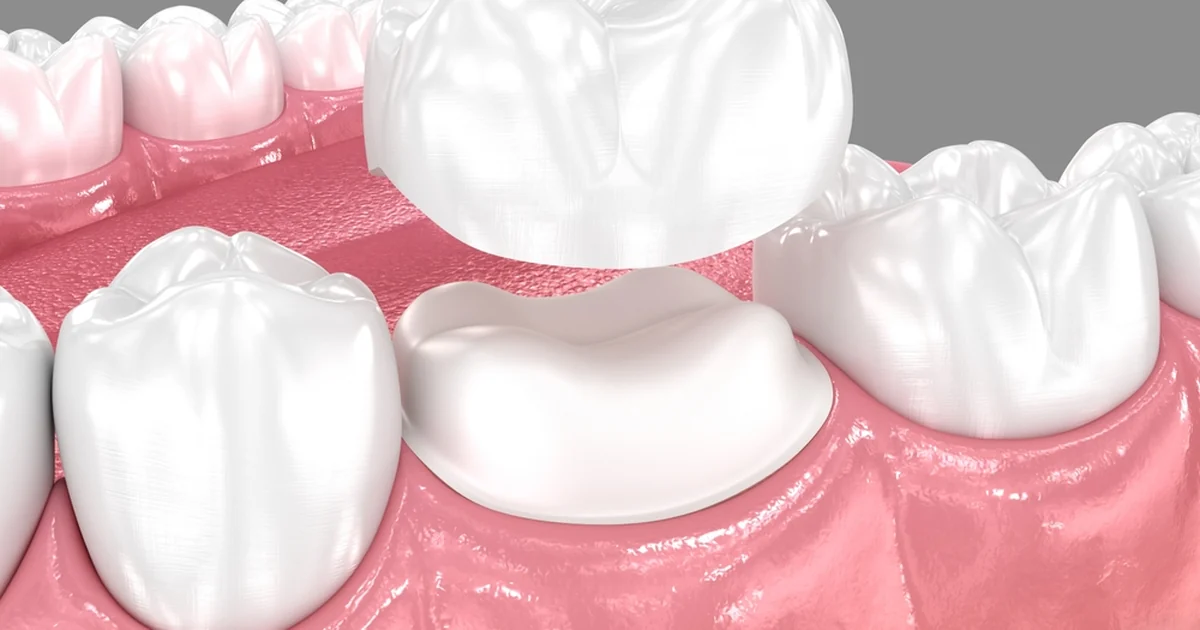
Afterwards, the tooth needs restoring. Back teeth that have had root treatment are more prone to fracture, so a crown is often recommended, and dental crowns and bridges explains what that involves.
The Alternative
The alternative is a tooth extraction. It is quicker and costs less on the day, and sometimes it is the right choice, particularly where a tooth is badly broken down, cracked vertically or has poor bone support.
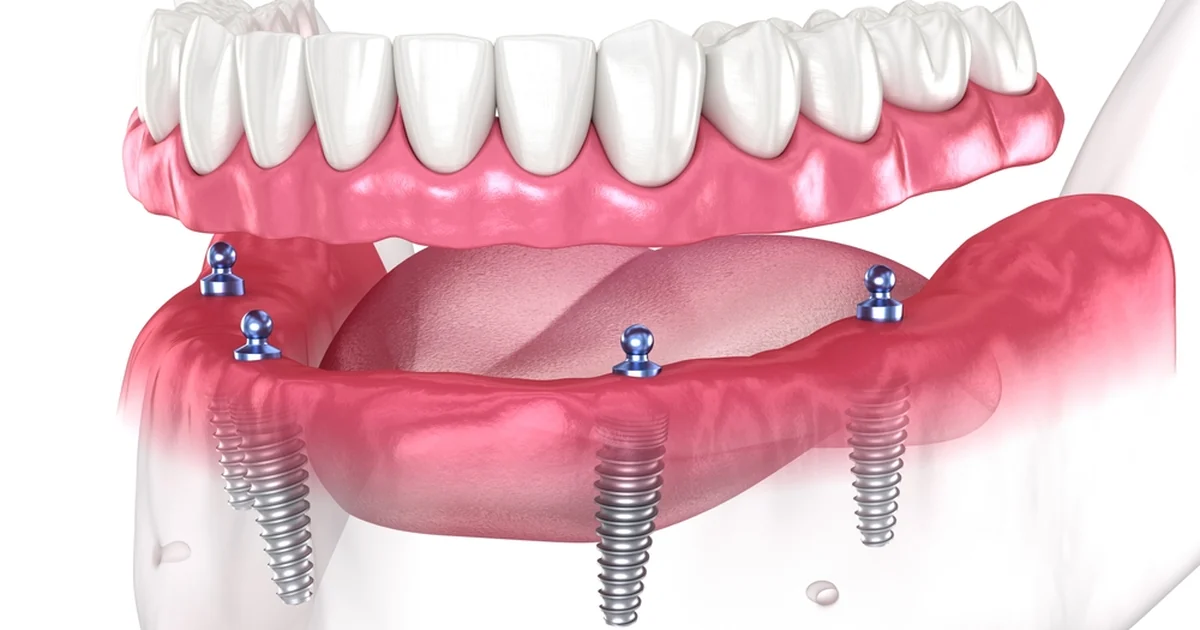
It is not a simple like-for-like swap, though. Once a tooth is removed, the neighbouring teeth can drift, the opposing tooth can over-erupt, and the bone in that area gradually reduces. If you want to replace it, that usually means dental implants, a bridge or a denture, each with its own cost and treatment time.
We will lay out both options, including the realistic outlook for the tooth, and we will tell you plainly if we think a tooth has a poor prognosis rather than recommending treatment that may not hold.
What Affects the Outcome
Root canal therapy is generally predictable, but outcomes vary. Factors include the complexity of the canal anatomy, how long the infection has been present, how well the tooth can be sealed afterwards and whether it is restored promptly with a crown where indicated. Complex cases may be referred to an endodontist.
What If You Do Nothing for Now?
Sometimes the honest answer to "what happens if I wait" is that symptoms may settle temporarily, and people take that as permission to leave it. It is worth being clear about the trajectory.
An infected tooth does not heal. It may be quiet for weeks or months, then flare, often at an inconvenient time. Each flare can involve more swelling and more bone loss around the root tip, and the tooth becomes progressively harder to save.
If cost or time is the obstacle, tell us. Treatment can sometimes be staged, starting with cleaning out the canals to stop the infection and completing the work later, which is a far better position than waiting for an emergency.
Ask Us to Explain Your Tooth
If root canal treatment has been recommended and you are unsure, ask to see the X-ray and have the reasoning explained. Call Precision Dental on (07) 3852 1160 or book online.