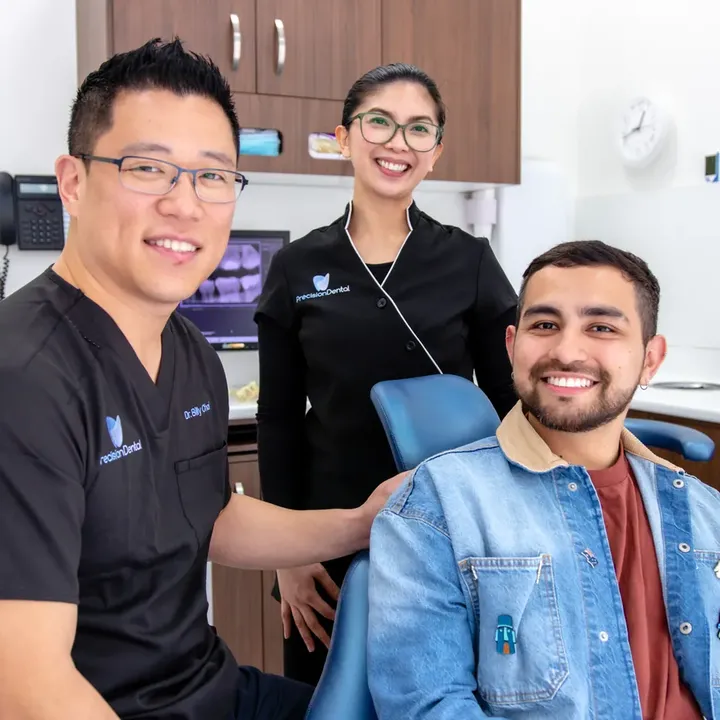
Root Canal Therapy in Fortitude Valley
When the soft tissue inside a tooth becomes infected or inflamed, it can cause significant pain and, if left untreated, lead to an abscess. Root canal therapy aims to remove the source of infection and preserve your natural tooth.
At Precision Dental, we understand that the words root canal can cause concern. We explain every step, prioritise your comfort and use modern techniques to make treatment as efficient as possible.
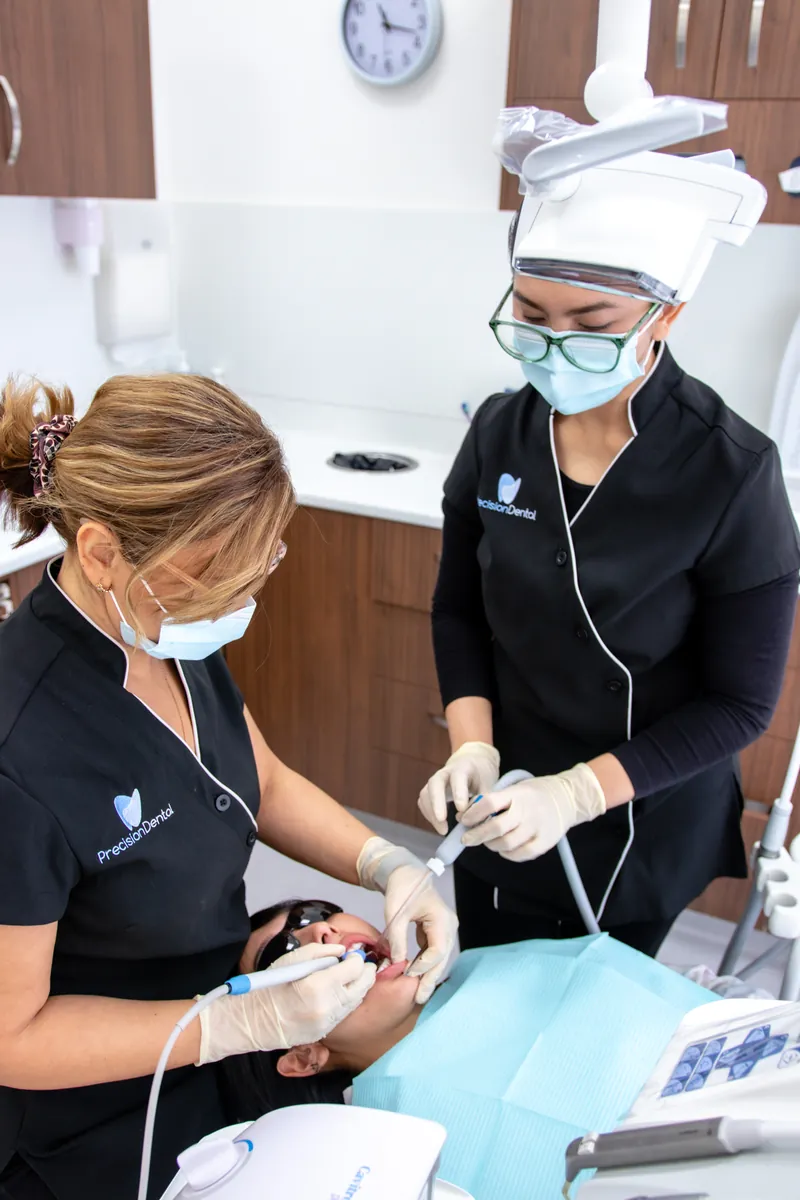
What Is Root Canal Therapy?
Inside every tooth is a space containing the dental pulp, made up of nerves and blood vessels. This space extends down through narrow channels within the roots, known as root canals. Deep decay, cracks, repeated dental work or injury can allow bacteria to reach the pulp, causing inflammation or infection.
Root canal therapy, also called endodontic treatment, involves removing the damaged pulp, cleaning and disinfecting the canals, and sealing them to reduce the risk of reinfection. The tooth is then restored, often with a crown, to protect it.
Is Root Canal Therapy Right for You?
Root canal therapy may be recommended if you have:
- A severe or throbbing toothache
- Lingering sensitivity to hot or cold
- Pain when biting or chewing
- Swelling or tenderness in the gums near a tooth
- A pimple-like bump on the gum
- A darkened tooth following injury
- An infection visible on an X-ray, even without symptoms
The main alternative is removal of the tooth. We will discuss the benefits, risks and costs of both options so you can decide what is right for you. In complex cases, referral to an endodontist may be recommended.
What Happens at Your Appointment
Diagnosis
We examine the tooth, perform sensitivity tests and take digital X-rays to understand the extent of the problem. If treatment is needed, we explain the process and provide a quote.
Relieving Pain and Cleaning the Canals
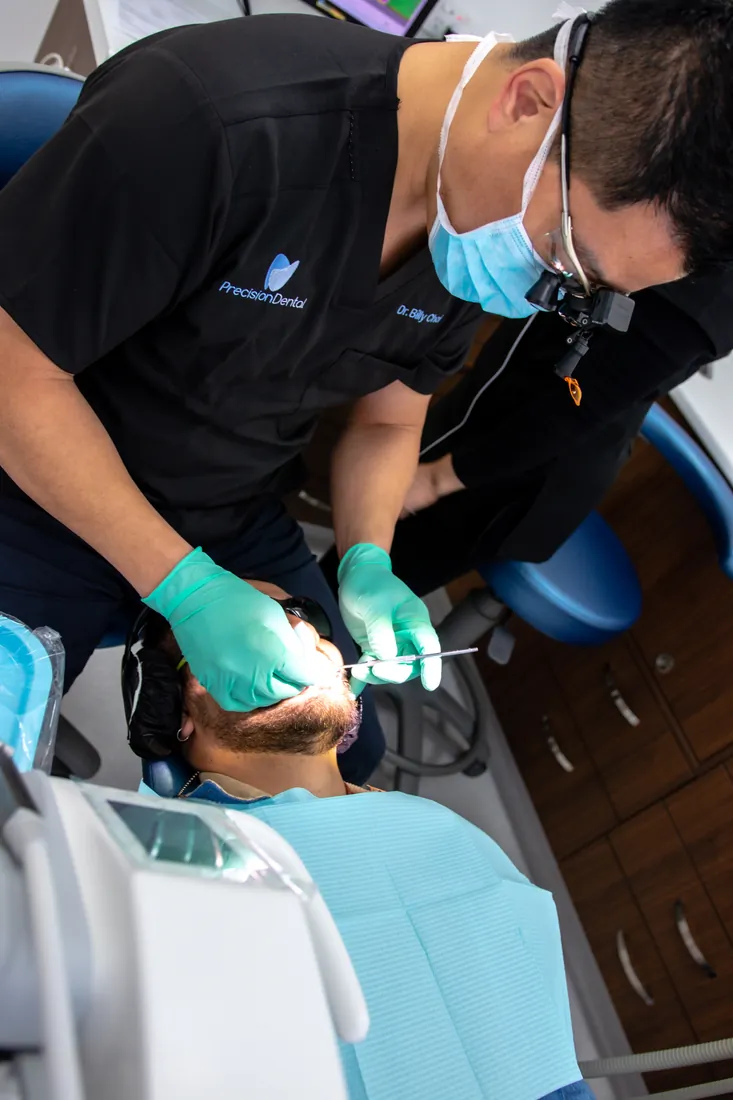
Local anaesthetic is used to numb the area. A protective sheet called a rubber dam isolates the tooth and keeps it clean. We then gently remove the infected pulp and shape and disinfect the canals using rotary endodontic instruments, which help us work efficiently through narrow and curved canals. A medicated dressing and temporary filling are placed.
Filling the Canals
At a following visit, once symptoms have settled, the canals are filled with a biocompatible material and sealed.
Restoring the Tooth
Teeth that have had root canal therapy can become brittle, so a crown is often recommended to protect the tooth. In many cases, this can be completed with a CEREC same-day crown.
Aftercare and Ongoing Care
Your tooth may feel tender for a few days after each visit, which can usually be managed with over-the-counter pain relief. Avoid chewing hard foods on the tooth until it has been fully restored. Contact us if you notice increasing pain, swelling or if your temporary filling comes out. Maintain good oral hygiene and attend regular check-ups.
Why Choose Precision Dental for Root Canal Therapy
We use rubber dam isolation, digital X-rays and rotary endodontic instruments to support careful, efficient treatment. Our team keeps you informed throughout, and happy gas is available if you would like extra support to relax.
Fees, Health Funds and Payment Options
The cost of your treatment depends on your individual needs. After your examination, we talk you through your options and the expected fees before any treatment begins. We accept most major health funds, process claims on the spot through HICAPS and are a preferred provider for Bupa, HCF and CBHS. Payment plans are available through DentiCare for eligible patients, subject to terms and conditions. You can learn more on our Prices and Payment Options page.
Frequently Asked Questions
Treatment is performed under local anaesthetic. Many patients find the procedure similar to having a filling, and it often relieves the pain caused by infection.
Most root canal treatments take two or more visits, depending on the tooth, the number of canals and how the infection responds.
Root-treated teeth, particularly back teeth, can become weaker and more likely to fracture. A crown helps protect the tooth.
An infected tooth will not heal on its own. The infection may spread, causing a dental abscess, and the tooth may eventually need removal.
Keeping your natural tooth is often preferable, but it depends on the condition of the tooth. We will discuss both options openly.
Many root-treated teeth function well for years, but outcomes vary. Factors include the complexity of the canals, the extent of infection and how the tooth is restored.
You may also be looking for


Book Your Visit at Precision Dental
Whether you are due for a routine visit or ready to talk through a treatment you have been considering, our Fortitude Valley team would be glad to welcome you. Call us on (07) 3852 1160 or book online, and we will find a time that suits you.
The information on this page is general in nature and is not a substitute for personalised advice from a registered dental practitioner. Individual needs, experiences and results vary.
Any surgical or invasive procedure carries risks. Before proceeding, you should seek a second opinion from an appropriately qualified health practitioner.