Dental Implants in Fortitude Valley
Losing a tooth can affect your confidence, your bite and the way you eat. Over time, the jawbone in the area of a missing tooth can also shrink, and neighbouring teeth may drift into the gap. Dental implants are one option for replacing missing teeth with a fixed restoration that does not rely on support from neighbouring teeth.
At Precision Dental, implant treatment begins with a detailed assessment and a frank conversation about whether implants are suitable for you, what is involved and how the alternatives compare.
What Are Dental Implants?
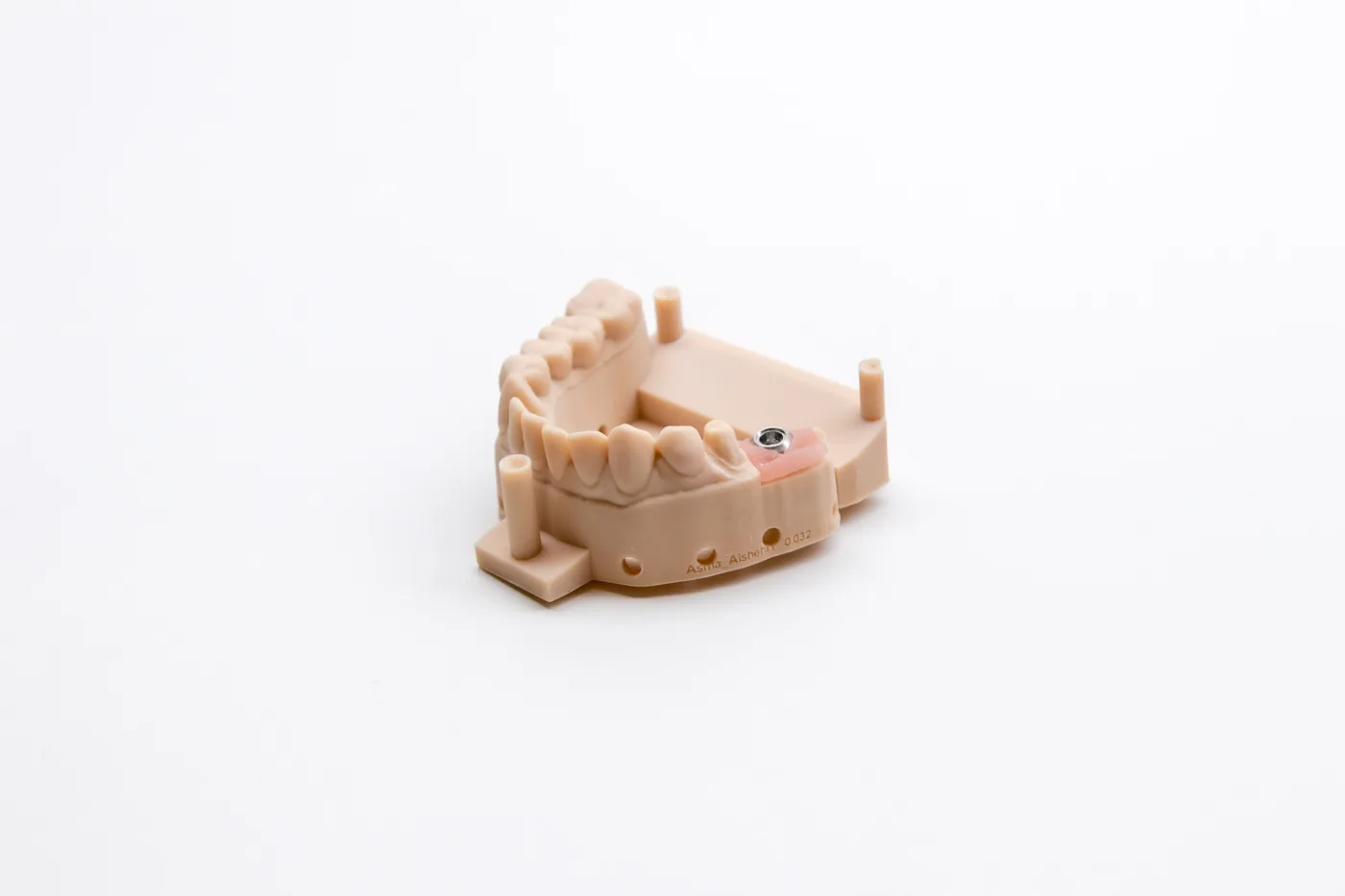
A dental implant is a small post, usually made of titanium or zirconia, that is placed into the jawbone where a tooth root was once located. Over a period of months, the bone typically bonds with the implant surface in a process called osseointegration. Once healed, the implant supports a crown, a bridge or a denture.
Implant treatment involves surgery and takes place over several stages. It requires a commitment of time, careful home care and regular review.
Are Dental Implants Right for You?
Implants may be considered for adults who:
- Have one or more missing teeth
- Would prefer a fixed replacement rather than a removable denture
- Have adequate jawbone or are suitable for bone grafting
- Have healthy gums and good general health
Some factors can reduce implant success, including smoking, uncontrolled diabetes, active gum disease, certain medications and heavy grinding. We will review your medical history carefully. Depending on your situation, we may also discuss dental bridges or dentures as alternatives, and where treatment is complex, referral to an appropriately qualified practitioner may be recommended.
What Happens at Your Appointment
Consultation and Imaging
We examine your mouth, review your medical history and take X-rays, including a digital OPG, to assess the bone and surrounding structures. Additional 3D imaging may be arranged. We then explain whether implants are suitable, outline the stages involved and provide a detailed quote.
Implant Placement
The implant is placed into the jawbone under local anaesthetic. In some cases, bone grafting is needed before or during placement. Happy gas is available for patients who would like extra help to relax.
Healing
The implant is left to integrate with the bone, usually over several months. A temporary tooth may be provided during this time where appropriate.
Restoration
Once healing is complete, a digital scan is taken, and your crown, bridge or denture is made and attached to the implant.
Aftercare and Ongoing Care
After surgery, some swelling, bruising and tenderness are common for a few days. Follow the post-operative instructions provided, eat soft foods and avoid smoking. Long term, brush and clean around your implant daily and attend regular reviews. Implants can be affected by gum inflammation, so professional cleans and good home care are essential.
Why Choose Precision Dental for Dental Implants
Dr Billy Choi is a member of the Australian Society of Implant Dentistry and regularly undertakes continuing education in implant dentistry. We use digital imaging and scanning to plan carefully, and we always discuss the risks, alternatives and costs openly. For eligible patients, SuperCare may assist with applications for early release of superannuation.
Fees, Health Funds and Payment Options
The cost of your treatment depends on your individual needs. After your examination, we talk you through your options and the expected fees before any treatment begins. We accept most major health funds, process claims on the spot through HICAPS and are a preferred provider for Bupa, HCF and CBHS. Payment plans are available through DentiCare for eligible patients, subject to terms and conditions. You can learn more on our Prices and Payment Options page.
Frequently Asked Questions
The overall timeframe varies. From placement to final restoration, treatment commonly takes several months to allow the implant to integrate with the bone. Grafting can extend this time.
Implant placement is performed under local anaesthetic, so you should not feel pain during the procedure. Some discomfort and swelling are common afterwards and can usually be managed with over-the-counter pain relief.
Implant longevity varies from person to person. It depends on bone quality, general health, smoking, oral hygiene and regular maintenance.
Not everyone is suitable. Bone volume, gum health, general health, smoking and certain medications all affect suitability, which we assess at your consultation.
Over time, neighbouring teeth may tilt or drift, opposing teeth can over-erupt, and the jawbone in the area may shrink. We can discuss all replacement options with you.
Some extras policies provide partial rebates for parts of implant treatment. We recommend checking with your fund, and we can provide item numbers to help.
You may also be looking for
Book Your Visit at Precision Dental
Whether you are due for a routine visit or ready to talk through a treatment you have been considering, our Fortitude Valley team would be glad to welcome you. Call us on (07) 3852 1160 or book online, and we will find a time that suits you.
The information on this page is general in nature and is not a substitute for personalised advice from a registered dental practitioner. Individual needs, experiences and results vary.
Any surgical or invasive procedure carries risks. Before proceeding, you should seek a second opinion from an appropriately qualified health practitioner.