When a tooth is missing, there are three common ways to replace it, plus the option of leaving the gap. Each has genuine advantages and genuine drawbacks, and the right choice depends on the position of the gap, the condition of the neighbouring teeth, your general health and your budget.
Here is an honest comparison rather than a case for one option.
The Effect on Bone
Bone in the jaw responds to the load carried by tooth roots. When a root is lost, that stimulus goes, and the bone gradually reduces in volume, most noticeably in the first year.
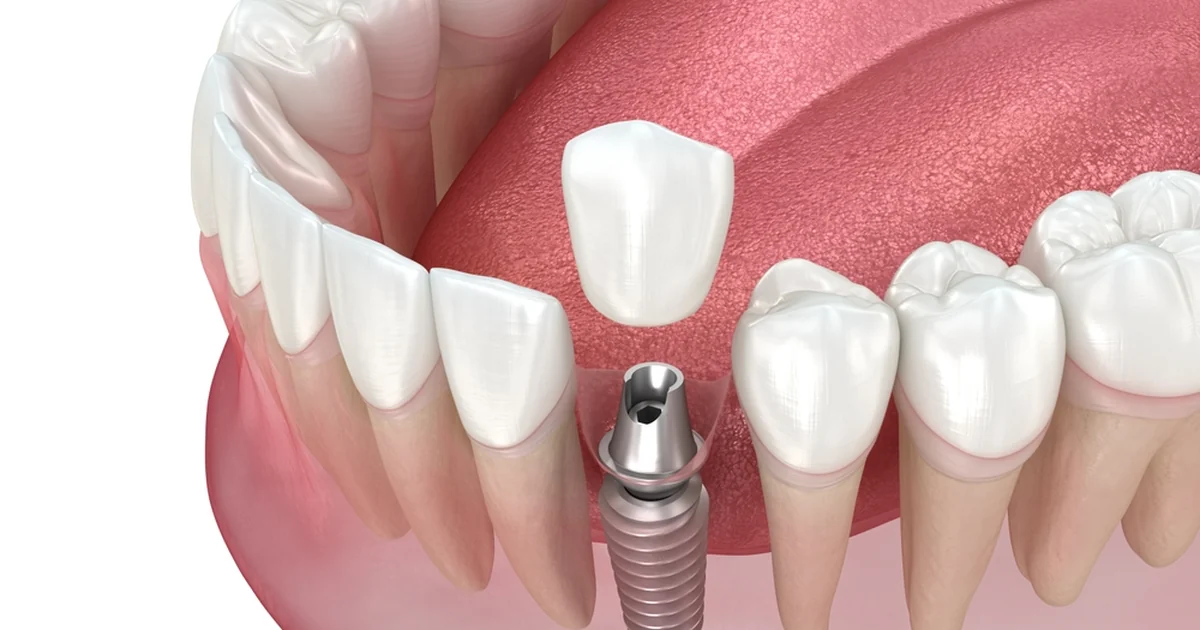
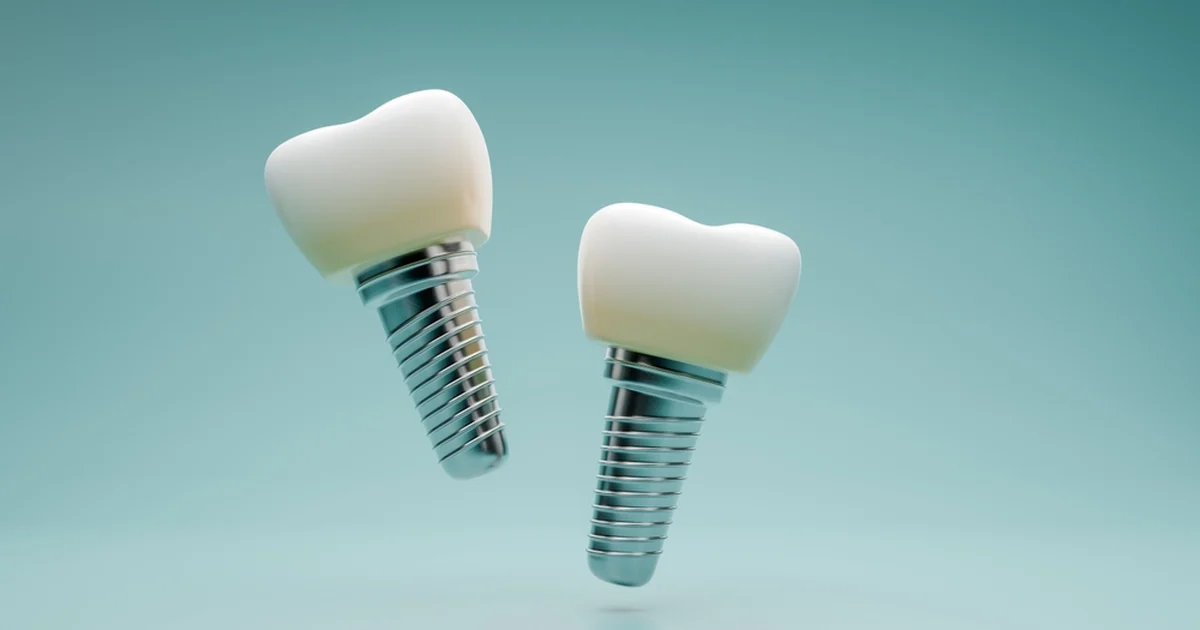
A dental implant is placed into the bone and continues to load it, which is why implants are the only option that addresses this directly. Bridges and dentures replace the visible tooth but not the root.
This matters most over long periods and in the front of the mouth, where bone and gum shape affect appearance. Where many teeth are missing, bone loss over the years can also change the shape of the lower face.
The Effect on Neighbouring Teeth
A traditional bridge is supported by crowns on the teeth either side of the gap, so those teeth must be shaped down. If they already carry large fillings or crowns, that may be a sensible use of them. If they are healthy and untouched, altering them is a real cost to weigh.
An implant stands independently and leaves the neighbours alone. A partial denture rests on the gums and clasps onto existing teeth, which does not require shaping them but can place additional load on them and trap plaque against them if cleaning slips.
Function and Comfort
Implants are fixed and stable, and chewing generally feels closest to a natural tooth. They are cleaned with the same brushing and interdental routine as natural teeth and do not come out, so they do not affect speech or move when eating. Bridges are also fixed and feel secure, although cleaning beneath the replacement tooth requires a threader or interdental brush.
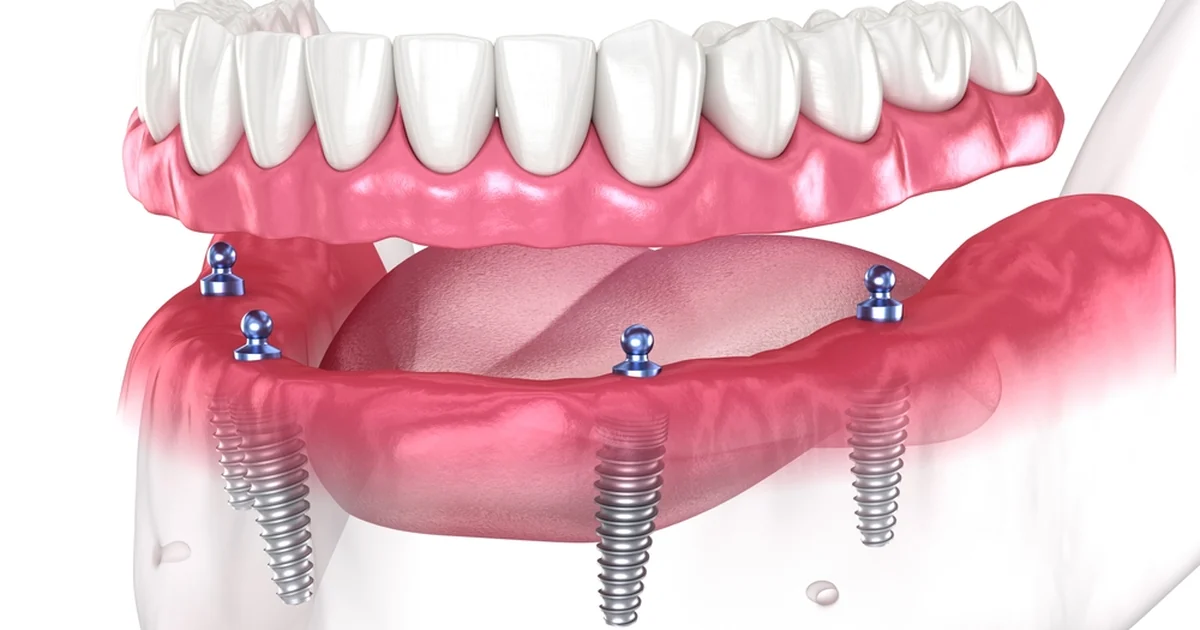
Removable dentures are the most variable. A well-made denture functions well for many people, particularly a partial denture in a stable mouth, although some people find dentures can move when eating or affect their speech, especially while getting used to them. A full lower denture is the hardest to stabilise, which is where implant-supported options often make the biggest difference.
Time and Treatment Involved
- Implants take the longest, usually several months from placement to final crown, longer if grafting or a tooth extraction is needed first. They involve surgery and a healing period.
- Bridges are typically completed in two or three appointments over a few weeks.
- Dentures involve several appointments for records, try-in and fitting, and can often be provided relatively quickly, including immediate dentures made before teeth are removed.
If you need a replacement quickly, that difference is worth factoring in.
Maintenance and Longevity
Every option needs maintenance, in different ways.
Implants require thorough daily cleaning around the gum line and regular professional review, as inflammation around an implant can cause bone loss. Bridges depend on the health of the supporting teeth, and if one develops a problem the whole bridge may need replacing. Dentures need daily cleaning, overnight removal, and relining or remaking as the gums and bone change shape over the years.
Longevity varies widely for all three and depends heavily on oral hygiene, grinding habits, smoking and general health. Nobody can promise a lifespan for any of them.
Cost
Upfront, dentures are usually the least expensive, bridges sit in the middle, and implants cost the most. Over longer periods the comparison narrows, because dentures are remade and bridges may need replacement along with the teeth supporting them. Whether it narrows enough to change the decision depends entirely on the individual case.
Health fund rebates differ between the options, and payment plans are available to eligible patients. Our Prices and Payment Options page covers the detail, and we provide written, itemised quotes for each realistic option rather than a single recommendation.
When Each Tends to Suit
- An implant often suits a single missing tooth with healthy neighbours, adequate bone, healthy gums and good general health
- A bridge often suits a gap where the neighbouring teeth already need crowns, or where surgery is not an option
- A denture often suits multiple missing teeth, situations where bone is limited, or where cost is the deciding factor
- Leaving the gap is occasionally reasonable, particularly for a back tooth where the bite remains stable, and we will tell you when that is a legitimate option
What Must Happen First
Whatever you choose, active gum disease must be treated first. Gum and periodontal treatment stabilises the foundation, and every replacement option performs better in a healthy mouth.
Questions to Ask Yourself
Beyond the clinical factors, a few practical questions often clarify the decision.
How long can you wait for the final result? Implants take months; a denture can be provided far sooner.
How do you feel about surgery? Some people are comfortable with it; others would rather avoid it entirely, and that preference is legitimate.
How reliable is your cleaning routine? Every option needs maintenance, but implants and bridges are less forgiving of inconsistent care than a denture that can be taken out and scrubbed.
What is your budget now, and what might it be in a year? Staging treatment is sometimes possible, for example a denture initially with implants considered later.
Talk Through Your Options
Bring your questions to a consultation and we will assess the site, explain what each option would involve for you specifically, and quote them all. Call Precision Dental on (07) 3852 1160 or book online.
Prefer to watch? The Dental Implant Process is a short video from our team.