
Two questions come up in almost every implant consultation: who will actually be doing this, and why does it cost what it costs? Both deserve clear answers, and neither is as complicated as it first appears.
Who Can Place Implants in Australia
Implant placement can be carried out by general dentists as well as by registered specialists, such as oral and maxillofacial surgeons, periodontists and prosthodontists. There is no separate registration category called "implant dentist", so the title itself tells you little.
What matters is training and experience with cases like yours. Reasonable questions to ask any practitioner include:
- What training have you undertaken in implant dentistry, and how recently?
- How many implants do you place, and how often?
- Will you place the implant and make the crown, or will another practitioner be involved?
- What happens if a complication occurs, and who manages it?
- In what circumstances would you refer this case elsewhere?
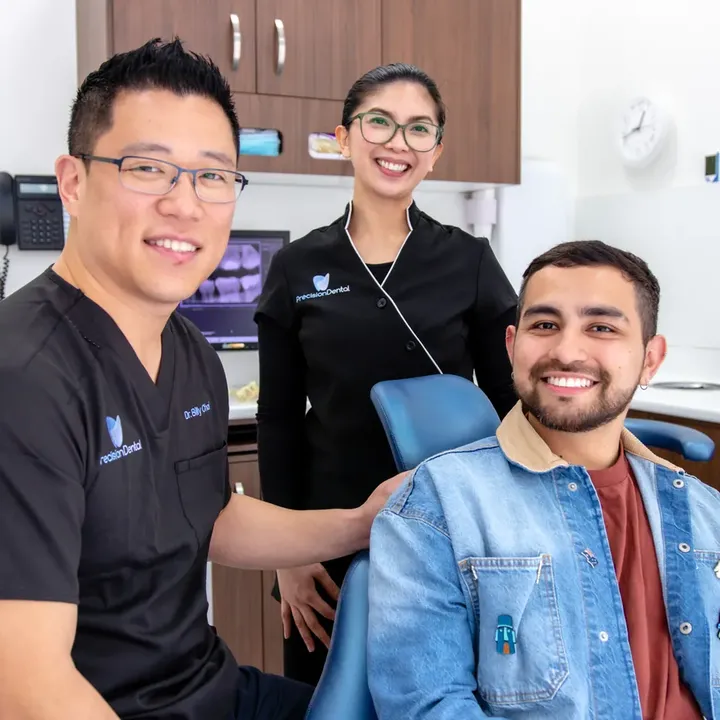
A practitioner who answers these plainly and tells you when a case is outside their scope is giving you useful information. At our practice, Dr Billy Choi is a member of the Australian Society of Implant Dentistry and undertakes ongoing education in implant dentistry, and we refer more complex cases where that is the right course.
Who Does What in the Treatment
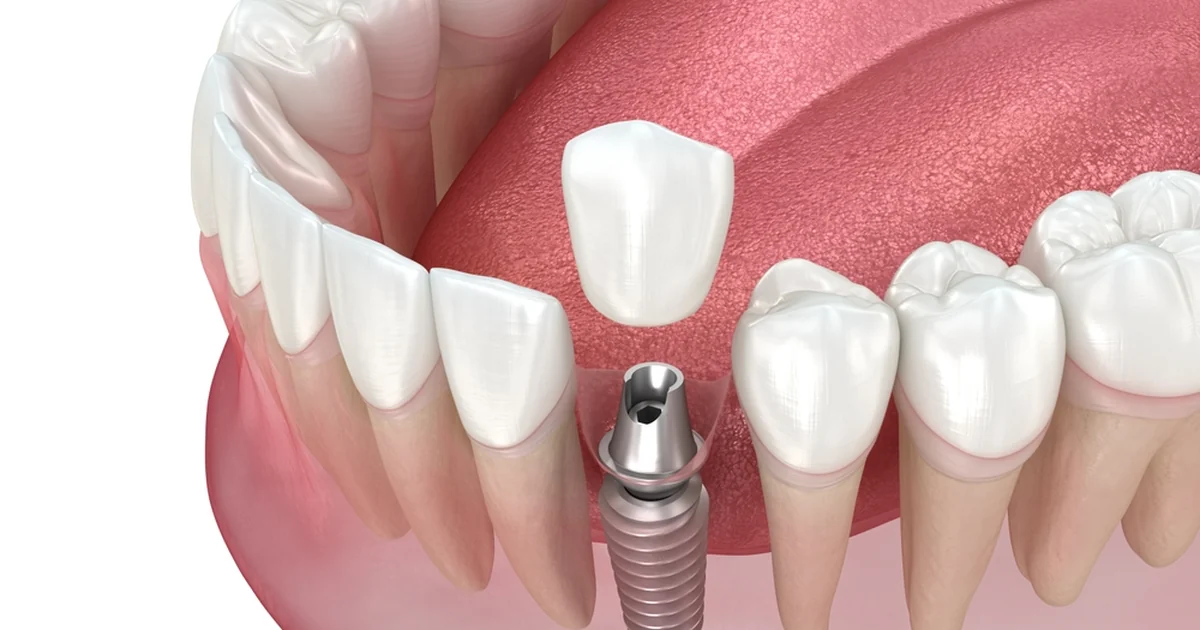
Implant treatment usually involves two distinct phases: the surgical placement and the restorative work that produces the final tooth. Sometimes one practitioner does both. Sometimes a surgeon places the implant and the restoring dentist makes the crown.
Neither arrangement is inherently better, but you should know which applies to you, who to contact at each stage, and how the fees are split, before treatment starts.
What Makes Up the Cost
An implant quote is not a single item. It typically covers:
- Consultation and imaging, including 3D imaging where required
- Any preparatory treatment, such as extraction, bone grafting or sinus procedures
- The implant itself, which is a manufactured medical device, and the surgical appointment
- The abutment, connecting the implant to the restoration
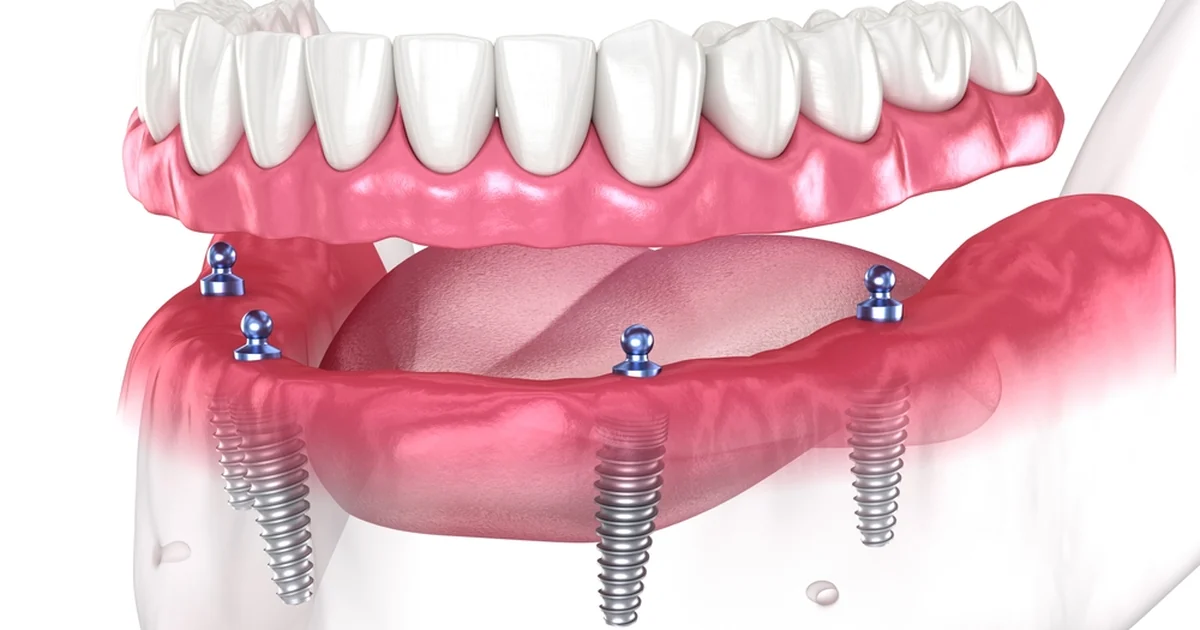
- The crown, bridge or denture, including laboratory or in-practice fabrication
- Review appointments during healing and afterwards
Costs vary considerably between patients, mainly because of what is needed before placement. Two people quoted very differently often have very different bone situations rather than different pricing.
Why Quotes Differ Between Practices
Several legitimate factors influence the fee: the implant system used and its track record, whether grafting is included, the complexity of the case, the imaging involved, the material of the final crown, and whether the quote covers the whole treatment or only one stage.
The most useful thing you can do is compare like with like. Ask each practice for a written, itemised quote covering the complete treatment from consultation to final restoration, with item numbers. That turns a vague comparison into a specific one.
Be wary of comparing a headline figure with an itemised plan. A number that seems substantially lower often covers placement only, with the abutment and crown quoted separately later.
Treatment Overseas
Some people consider implant treatment abroad. The initial cost can be lower, and outcomes are often perfectly satisfactory, but there are practical points to weigh: follow-up and maintenance need to happen locally, records and implant system details may be difficult to obtain, and if a complication develops, the practitioner who placed the implant is not available to manage it. Any dentist can only work with the components they can identify, so ask for full written details of the system used.
Paying for Treatment
Some extras policies provide partial rebates for parts of implant treatment, usually under major dental, and often with waiting periods and annual limits that affect what can be claimed in one year. We can supply item numbers so you can check with your fund.
Payment plans are available to eligible patients, and some people explore early release of superannuation through services such as SuperCare, which has its own eligibility criteria and approval process. Independent financial advice is sensible before going down that route. Our Prices and Payment Options page sets out what we accept.
Comparing With the Alternatives
Implants are not the only option, and cost comparisons should include the alternatives over time. Dental crowns and bridges have a lower upfront cost but involve the neighbouring teeth. Dentures cost less again but need relining and remaking as the gums change shape. We will quote the realistic options rather than presenting one.
What a Good Consultation Looks Like
Regardless of who provides the treatment, a thorough implant consultation should include an examination of your whole mouth rather than just the gap, a review of your medical history and medications, appropriate imaging, and a discussion of every realistic option including bridges, dentures and leaving the space.
You should leave with a written plan, a clear sequence of appointments, and an itemised quote. You should not leave feeling pressured to decide on the day.
If a consultation consists of a quick look and a price, that is not enough information for a decision of this size, and it is entirely reasonable to seek a second opinion.
Ask for a Written Quote
If you would like an itemised plan for your situation, book an assessment and we will put one together. There is no obligation to proceed. Call Precision Dental on (07) 3852 1160 or book online.
Prefer to watch? The Dental Implant Process is a short video from our team.