Replacing a missing tooth is rarely an urgent decision, which is part of why it gets postponed. The gap is at the back, nobody sees it, and chewing adapts. Months pass.
Dental implants are one of several ways to replace a missing tooth, and they involve surgery, a healing period and a meaningful cost. Whether that investment makes sense depends on your situation. Here are five factors worth weighing up, along with the trade-offs that come with each.
1. What Happens to Bone When a Tooth Is Missing
The bone in your jaw responds to use. When a tooth root is removed, the bone that once supported it is no longer stimulated in the same way, and it gradually reduces in volume and height, particularly in the first year.
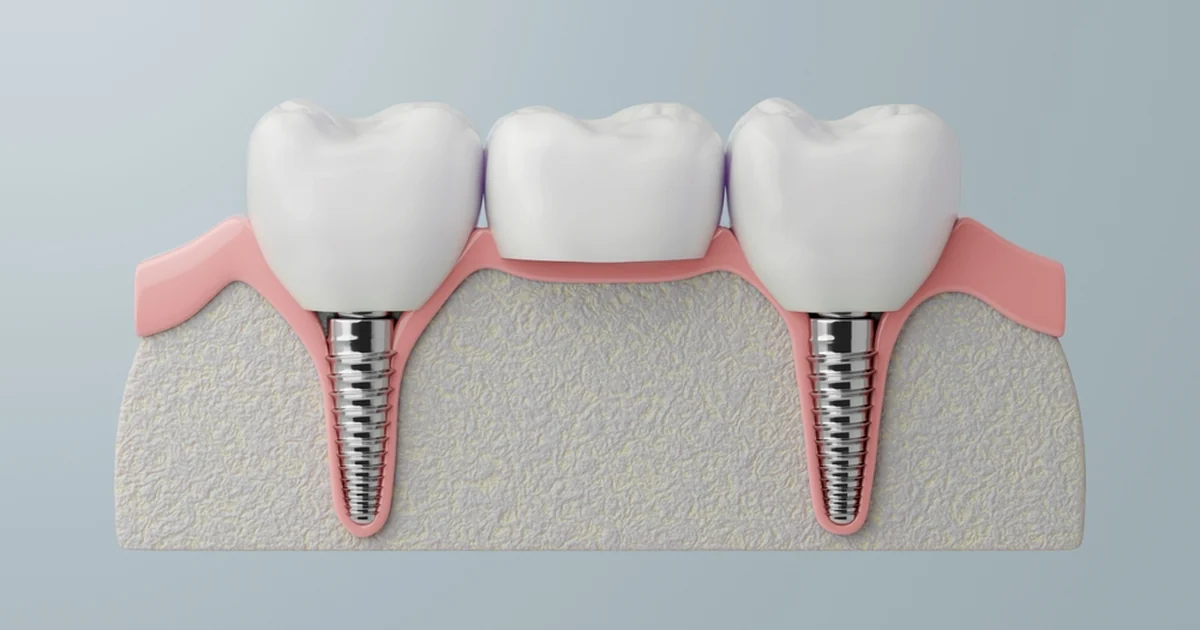
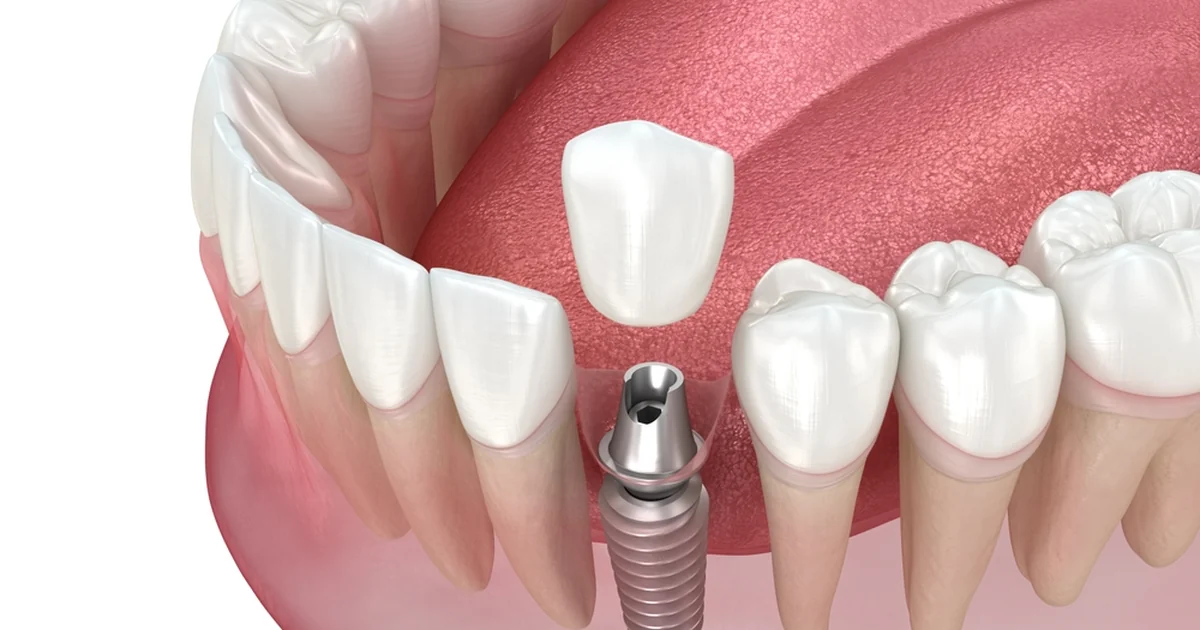
An implant is placed into the jawbone in the position of the old root. Because the bone bonds to its surface in a process called osseointegration, it continues to be loaded during chewing. Bridges and dentures replace the visible tooth but not the root, so they do not influence the bone in the same way.
This matters for the long term. Significant bone loss can make later treatment more complex, sometimes requiring grafting before an implant becomes possible.
2. How It Feels to Eat and Speak
Because an implant is anchored in bone, the crown it supports does not move. Many people find chewing feels closer to a natural tooth than it does with a removable denture, and there is no plate covering the palate.
Speech is part of this too. Missing teeth and dentures that move can produce whistling or lisping, while a fixed replacement generally allows normal speech. Day-to-day care is simpler as well, with no adhesives and no removing an appliance to clean it.
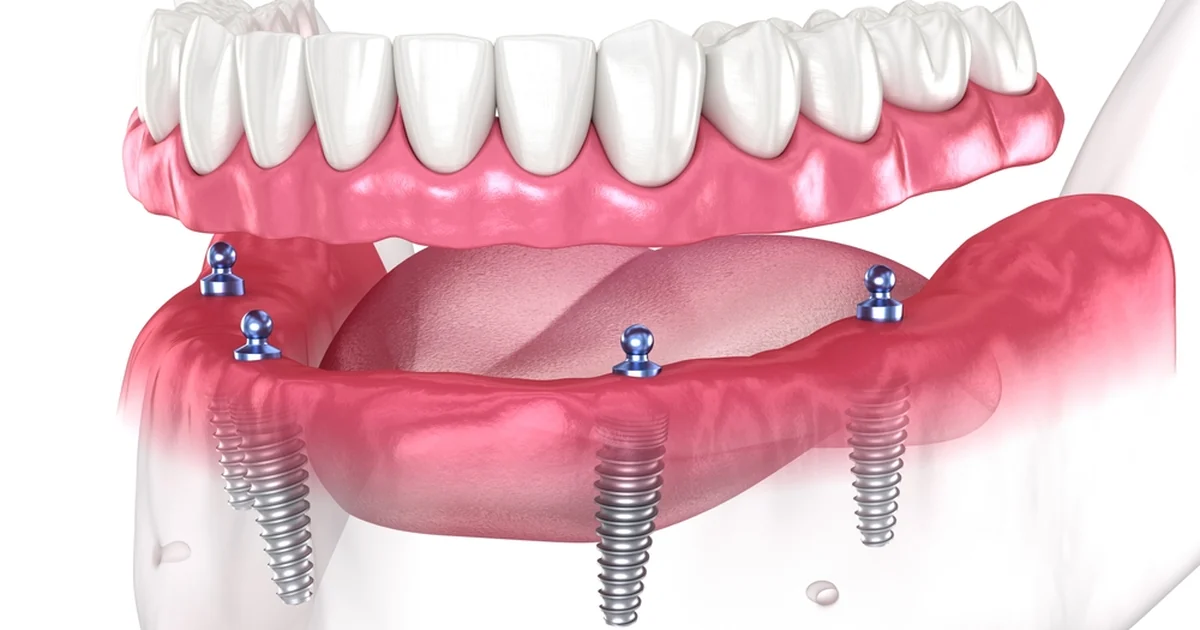
That said, dentures have improved considerably, and implant-supported dentures offer a middle path for people replacing several teeth. The right comparison is not implants against nothing, but implants against the specific alternative that suits your mouth.
3. What It Asks of Your Other Teeth
A traditional bridge is supported by the teeth on either side of the gap, and those teeth need to be shaped to carry crowns. If they are already heavily filled or crowned, that may be a sensible use of them. If they are healthy and untouched, some people prefer not to alter them.
An implant stands alone, so neighbouring teeth are left as they are. It also avoids the drifting and over-eruption that can occur when a gap is left unrestored, which sometimes affects the bite over time.
4. Longevity and Maintenance
Implants are designed for the long term, and many function well for many years. Longevity varies from person to person, though, and it depends on factors within your control as well as some that are not.
Gum inflammation around an implant, known as peri-implantitis, can damage the supporting bone, so daily cleaning and regular professional maintenance are essential. Smoking, uncontrolled diabetes, existing gum disease and heavy grinding all reduce the likelihood of long-term success. The crown attached to the implant may also need replacing at some stage, even when the implant itself remains sound.
Implants are not suitable for everyone. Bone volume, gum health, general health and medications all influence suitability, and in complex cases referral to an appropriately qualified practitioner may be recommended.
5. Cost Over Time
Implant treatment costs more upfront than a bridge or a denture, and the fee reflects several stages: planning and imaging, the surgical placement, healing time, and the crown or bridge fitted afterwards. Bone grafting adds to both cost and timeframe when it is needed.
Comparing costs across a longer period gives a fairer picture, because dentures need relining and remaking as the gums change shape, and bridges may eventually need replacement along with the teeth supporting them. That comparison depends entirely on your circumstances, which is why we provide a written quote for each realistic option rather than a single recommendation.
For eligible patients, spreading payments through a plan is possible, and some people explore early release of superannuation through services such as SuperCare. Eligibility is assessed under Australian Taxation Office criteria and approval is not assured, so independent financial advice is sensible.
Before You Decide
A thorough assessment should come before any decision. That includes an examination, a digital OPG and sometimes additional 3D imaging, a review of your medical history, and an honest conversation about the alternatives, including leaving the gap as it is. If gum disease is present, gum treatment comes first. If a tooth is still in place but failing, we will discuss whether tooth extraction and replacement is better than attempting to save it.
The goal is not to talk you into implants. It is to give you enough information to decide what suits your mouth, your health and your budget.
Who May Not Be Suitable Right Now
Some people are not candidates immediately, which does not always mean never. Active gum disease needs treating and stabilising first. Heavy smoking reduces healing and long-term success, so we will discuss it honestly. Uncontrolled diabetes, certain medications affecting bone, and recent radiotherapy to the jaws all require careful assessment and sometimes liaison with your doctor.
Insufficient bone volume is common where a tooth has been missing for years. Grafting can often address this, at the cost of additional time and expense.
Growing adolescents are usually asked to wait until jaw growth is complete, with a temporary replacement used in the meantime.
Talk to Us About Replacing a Missing Tooth
Our team can assess your suitability and explain every option, including dental implants, bridges and dentures, with the benefits, risks and costs of each. Call Precision Dental on (07) 3852 1160 or book online.
Prefer to watch? The Dental Implant Process is a short video from our team.