
Some mouths need more than one treatment. Where teeth have worn down over decades, where several have been lost, or where a long history of patch repairs has left a mouth that no longer functions comfortably, treating one tooth at a time rarely solves the underlying problem.
Full mouth rehabilitation is the term for planned, staged treatment that restores function, health and appearance across the whole mouth. It is a significant undertaking, and it should be approached with clear eyes.
Who It Is For
Rehabilitation is usually considered where there is a combination of:
- Extensive wear, often from years of grinding and clenching or acid erosion
- Multiple missing teeth affecting chewing and bite stability
- Several heavily restored or failing teeth
- A collapsed bite, where loss of tooth height has changed facial proportions
- Difficulty chewing comfortably, or recurring breakages
- Previous dental work that no longer functions or looks as it should
It is not about achieving a particular look. The aim is a mouth that works, is maintainable and is comfortable, with appearance as a legitimate part of the result.
The Planning Stage Is the Treatment
This is the part that distinguishes rehabilitation from a series of individual repairs, and it takes time.
Comprehensive Assessment
A full examination of teeth, gums, bite, jaw joints and muscles, with digital X-rays, an OPG and photographs. We record how your teeth meet, where the wear is occurring and what has caused it.
Diagnosis Before Design
Wear has a cause: grinding, acid, a bite problem, or a combination. Rebuilding teeth without identifying it means the new work wears in the same way. This is why rehabilitation plans always include a protective splint and, where relevant, advice on diet or referral for reflux investigation.
Stabilising First
Active disease is treated before any reconstruction. That means gum and periodontal treatment, removing teeth with a poor outlook, and root canal therapy where a nerve is involved. Building on an unstable foundation is the most common reason extensive work fails.
Planning the Bite
Where tooth height has been lost, the plan may involve restoring the vertical dimension of the bite. This is done carefully and often tested first with temporary restorations or a removable appliance, so you can live with the proposed bite before anything permanent is made.
A Staged Written Plan
You receive a sequence, a timeframe and itemised costs, usually with options at different levels of investment. Our Prices and Payment Options page covers payment plans and health fund claiming.
What Treatment May Include
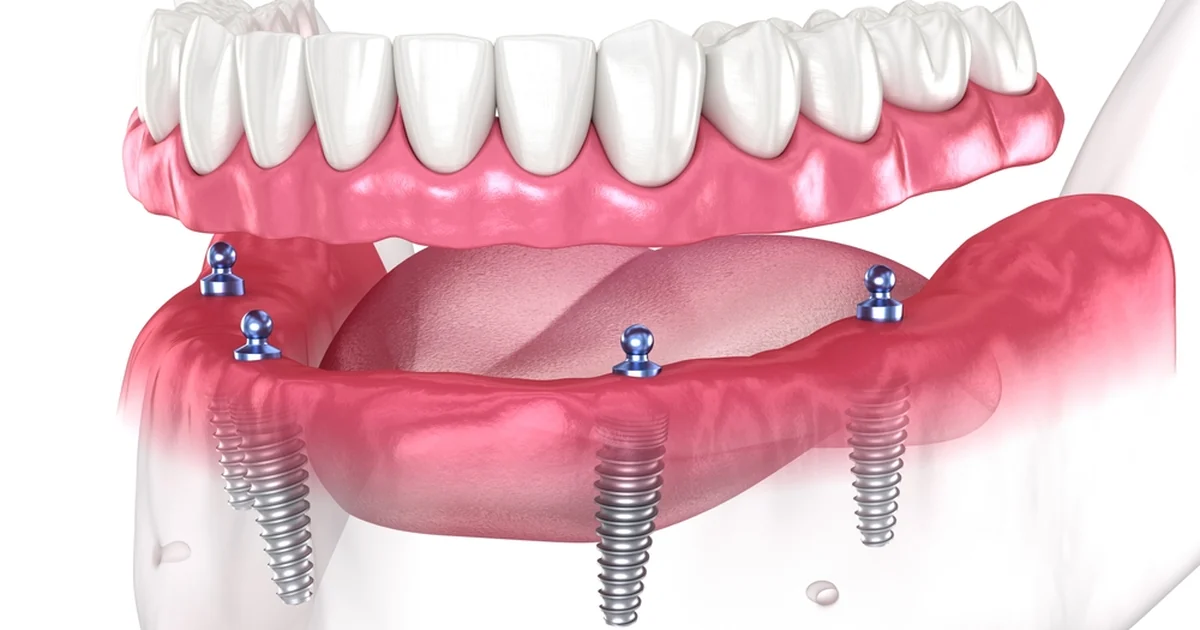
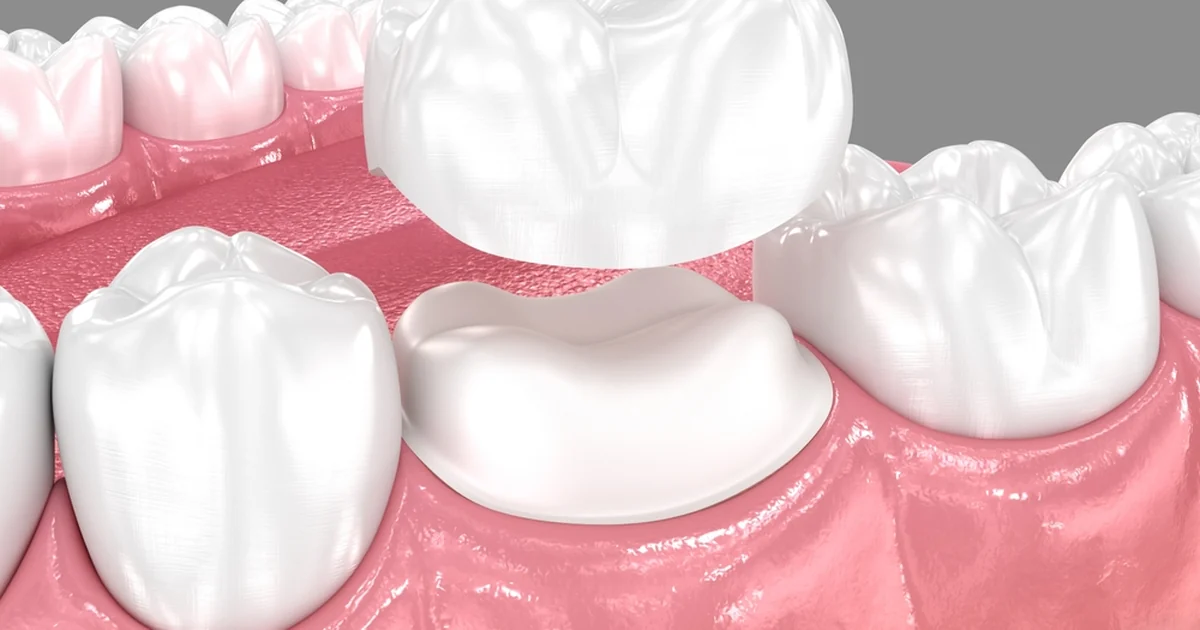
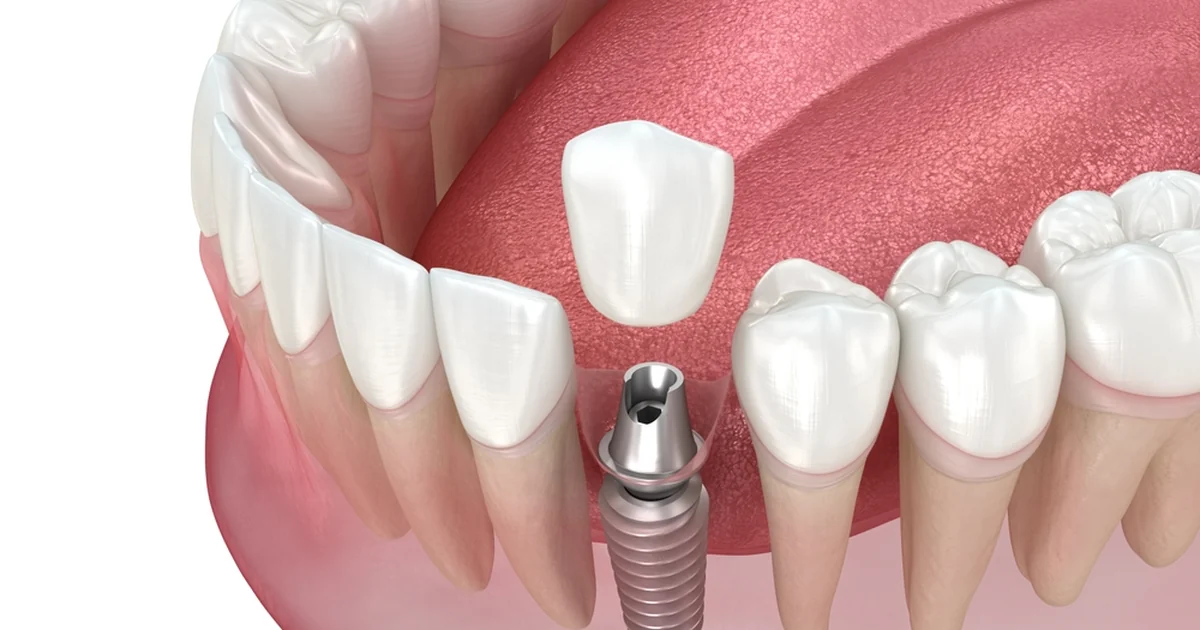
Rehabilitation is assembled from familiar components: composite build-ups, dental crowns and bridges, dental implants, partial or full dentures, orthodontic alignment in some cases, and a protective splint at the end.
The combination depends entirely on what is present, what is salvageable and what you want to commit to in time and cost.
Timeframes
Rehabilitation is measured in months, not weeks. Periodontal treatment needs healing time. Implants need several months to integrate. Temporary restorations are often worn for a period so the bite can be assessed in function before definitive work is made.
Anyone offering a complete reconstruction in a fortnight is describing a different and more limited treatment than this.
Being Realistic
A few things are worth saying plainly.
Extensive work is an investment that requires maintenance. Crowns, implants and splints all need daily care and regular review, and components will need attention over the years.
Not every tooth can be saved, and part of planning is deciding which to keep. We will give you our honest assessment rather than attempting heroics on teeth with a poor outlook.
Results vary between people, and nobody can guarantee an outcome. What a careful plan does is make the outcome predictable rather than hoped for.
Finally, staging is normal. Many people complete rehabilitation over a couple of years, addressing urgent and structural priorities first and cosmetic refinement later. There is no obligation to commit to everything at once.
Maintaining the Result
Extensive restorative work changes what maintenance looks like, and this should be part of the decision rather than a surprise afterwards.
Expect regular reviews, often more frequent than six-monthly in the first year, so the bite, the gums and the restorations can be checked while anything is still easy to adjust. Expect to wear a protective splint nightly if grinding contributed to the original damage; this is the single most important factor in how long the work lasts.
Daily cleaning becomes more demanding too, particularly around bridges and implants, where interdental brushes or a water flosser are usually needed. We will show you exactly what your mouth requires.
Managing the Cost
Rehabilitation is a significant financial commitment, and how it is structured matters as much as the total.
Most plans can be staged across months or years, which spreads the cost and lets you assess each phase before committing to the next. Urgent and structural work comes first, with cosmetic refinement later.
Health fund rebates apply to many individual items, though annual limits mean only part of a large plan can usually be claimed in one benefit year, which is another argument for staging. Payment plans are available to eligible patients.
We provide itemised quotes so you can see exactly what each stage involves rather than facing a single large figure.
Where to Start
A consultation and full assessment is the starting point, with no commitment beyond it. You will leave with an understanding of what is happening in your mouth and what the realistic options are. Call Precision Dental on (07) 3852 1160 or book online.