
After an extraction, the socket fills with a blood clot. That clot is the foundation of healing, and protecting it for the first few days is the single most important thing you can do. Most of the eating advice that follows exists for that reason.
Here is a practical guide to the first week, including what to eat, what to avoid and why.
The First 24 Hours
Wait Until the Numbness Wears Off
Local anaesthetic makes it easy to bite your cheek, lip or tongue without feeling it. Wait until full sensation returns before eating anything.
Stick to Cool and Soft
For the first day, choose foods that need no chewing and are not hot:
- Plain yoghurt without fruit pieces or granola, and custard
- Smooth, pureed soups with no chunks, cooled to lukewarm
- Mashed potato
- Scrambled eggs, cooled
- Apple sauce or stewed fruit
- Milkshakes and smoothies, eaten with a spoon
Heat encourages bleeding and can dissolve the clot, so avoid hot drinks and hot meals on day one.
No Straws
Suction can pull the clot out of the socket. Avoid straws for at least the first few days, and drink normally from a glass.
No Smoking or Alcohol
Smoking is one of the strongest risk factors for losing the clot, and it slows healing considerably. Alcohol interferes with healing and may interact with pain relief. Avoid both for as long as you can manage, and at minimum for the first 24 to 48 hours.
Do Not Rinse Vigorously
Leave the area alone on day one. From the following day, rinse gently with warm salt water after meals, letting it fall out of your mouth rather than spitting forcefully.
Days Two to Three
As comfort improves, you can broaden the menu while still chewing on the opposite side:
- Porridge and soft cereals soaked well
- Pasta cooked until soft
- Soft fish
- Ripe banana and avocado
- Cottage cheese and ricotta
- Well-cooked, mashed vegetables
- Hummus and other smooth dips
Keep meals lukewarm rather than hot, and keep eating regularly, as adequate nutrition supports healing.
What to Avoid, and For How Long
- Crunchy and hard foods such as nuts, crisps, popcorn, toast crusts and raw carrot. Fragments can lodge in the socket. Avoid for at least a week.
- Seeds and grains including sesame, chia, quinoa and muesli, which are notorious for getting into the socket.
- Sticky foods such as toffee and chewy lollies, which pull at the site.
- Spicy and acidic foods that irritate healing tissue.
- Very hot food and drink for several days.
- Chewing on the extraction side until it feels comfortable, usually about a week.
Returning to Normal Meals
Most people are back to a fairly normal diet within about a week, and gradually reintroducing firmer foods is the right approach. Surgical extractions and wisdom teeth removal often take longer, and stitches, if present, may dissolve or need removing at a review appointment.
Listen to the site. If something causes pain or leaves food packing into the socket, go back to softer options for another day or two.
Signs Something Is Wrong
Contact us if you notice:
- Pain that increases after the third day rather than improving, often spreading towards the ear, which can indicate a dry socket where the clot has been lost
- Bleeding that continues after firm pressure on gauze for 30 to 60 minutes
- Swelling that worsens after day three, fever or feeling unwell
- A bad taste or smell that does not settle
- Numbness that persists well beyond the expected time
Dry socket is treatable, and it is much more comfortable once managed, so do not wait it out. If you have severe facial swelling affecting breathing or swallowing, call 000 or go to your nearest hospital emergency department.
Other Practical Points
- Keep brushing, avoiding the socket itself for the first day or two, then cleaning around it gently. A clean mouth heals better.
- Take pain relief as directed, and any prescribed medication exactly as instructed.
- Rest for the first day, and avoid strenuous exercise for a couple of days, as it can restart bleeding.
- Sleep with your head slightly elevated on the first night.
- Plan ahead by shopping for soft foods before your appointment, especially before a tooth extraction or wisdom teeth removal.
Thinking Ahead About the Gap
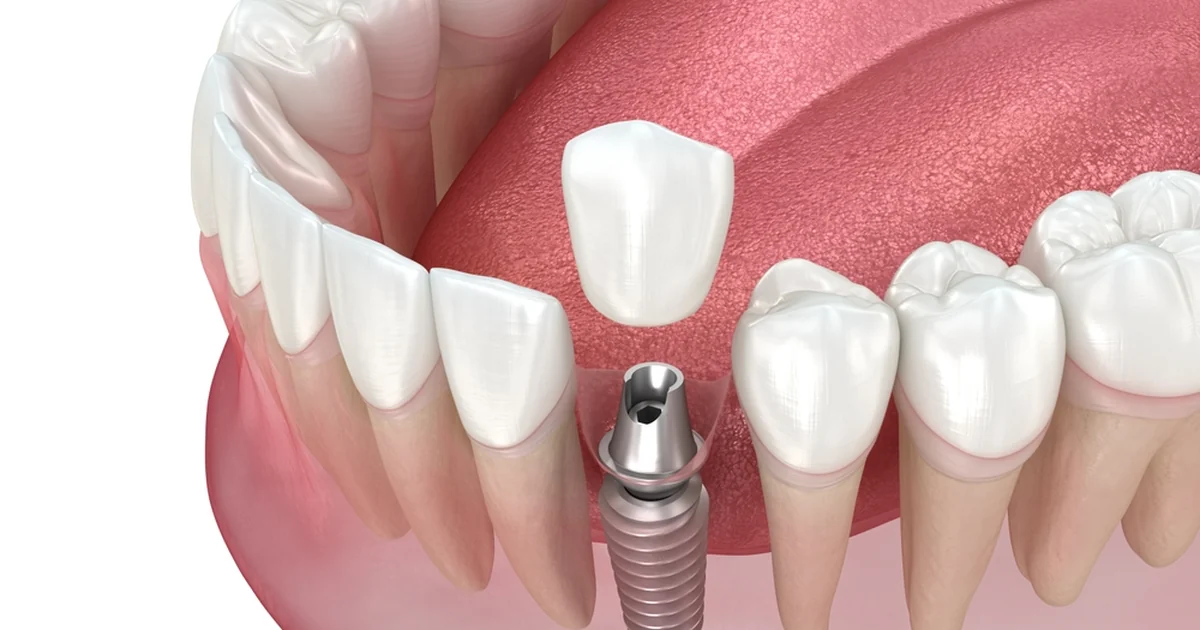
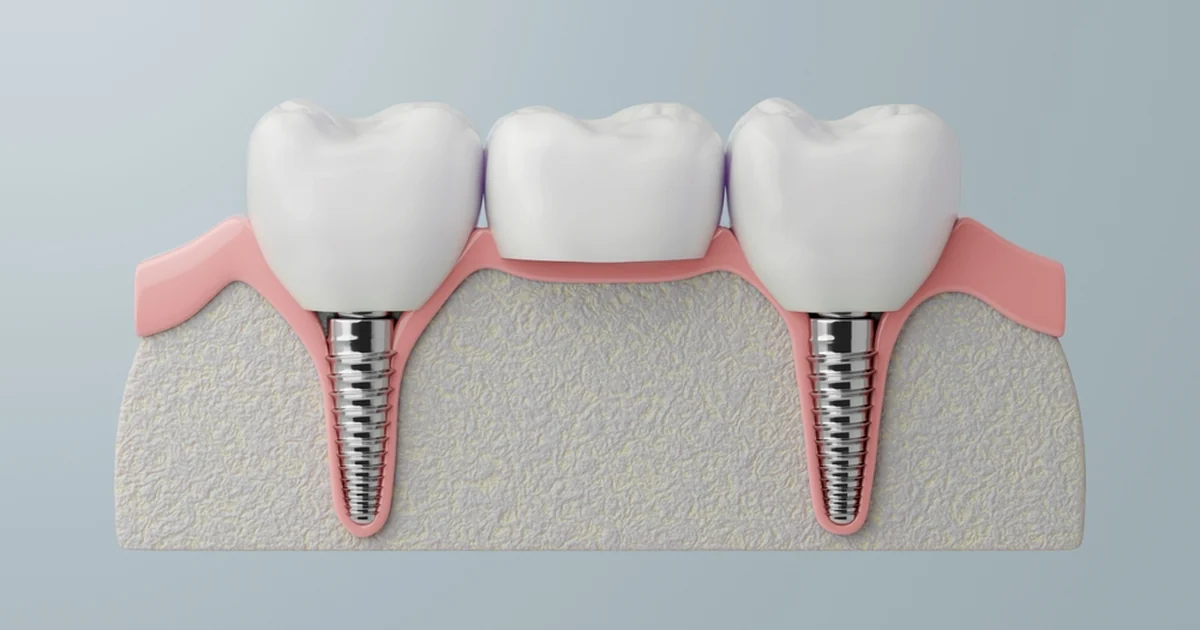
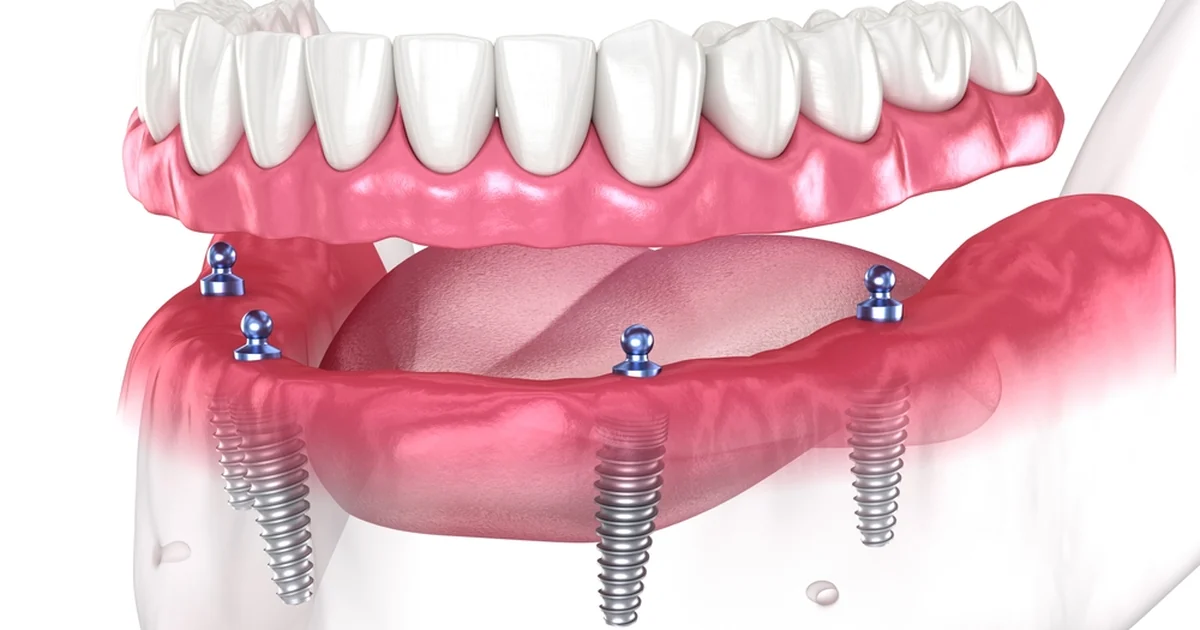
Once healing is complete, it is worth discussing whether the tooth should be replaced. Depending on the position and your circumstances, options include dental implants, bridges and dentures, and leaving the gap is sometimes reasonable. We will talk through what suits you rather than assuming replacement is automatic.
A Note on Nutrition While You Heal
A few days of soft food is not a problem nutritionally, but a week of white bread and ice cream is not ideal when your body is repairing tissue. Protein supports healing, so include options that are easy to manage: eggs, Greek yoghurt, cottage cheese, soft fish, well-cooked lentils and smooth protein smoothies.
Stay hydrated, as dehydration makes you feel worse and slows recovery. Water is best, sipped from a glass rather than a straw.
If you are diabetic, keep an eye on your levels, since a softer, carbohydrate-heavy diet can shift them. If you take blood-thinning medication or have another medical condition affecting healing, follow the specific advice given at your appointment.
Questions After Your Extraction?
If anything about your recovery concerns you, call us. Our Emergency Dentistry team can see you promptly if needed. Call Precision Dental on (07) 3852 1160 or book online.