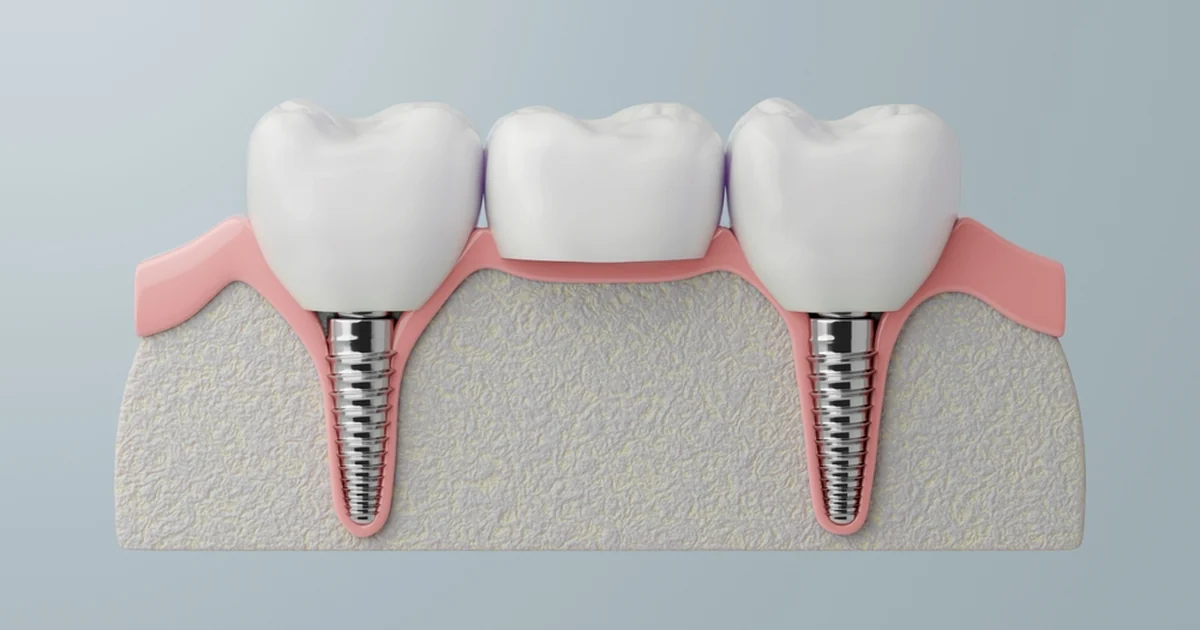
Dental implants have been used for decades, but the way treatment is planned and delivered has changed considerably. Digital imaging, scanning and guided placement have made the process more predictable and, from the patient's point of view, easier to understand before it begins.
Here is what implant treatment involves at each stage.
The Basic Idea
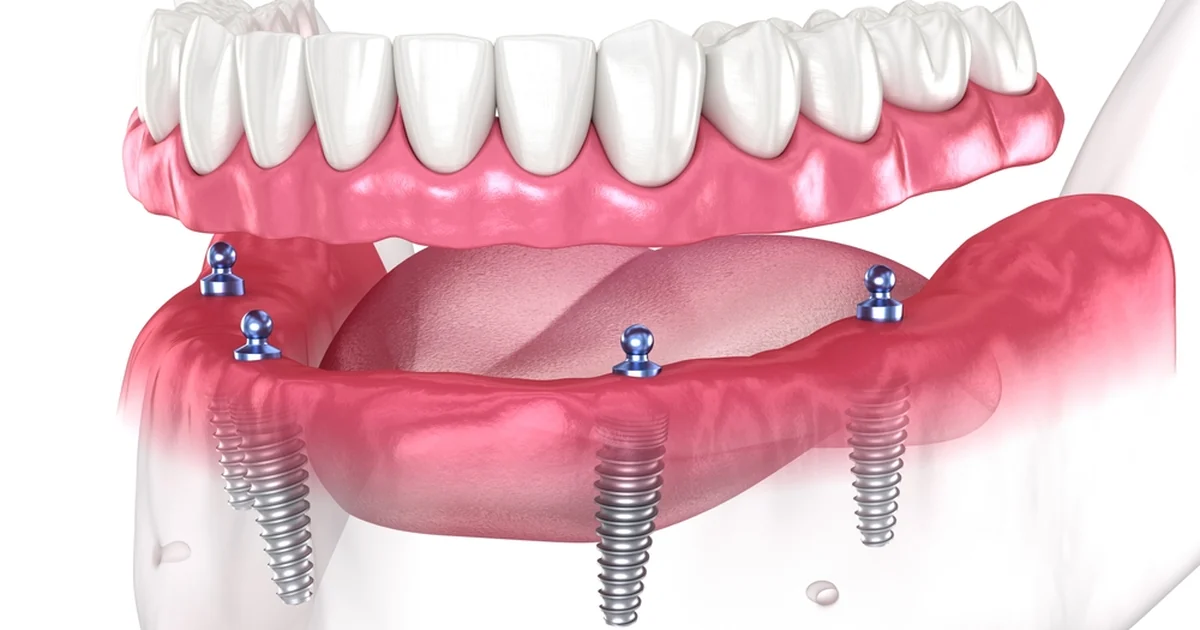
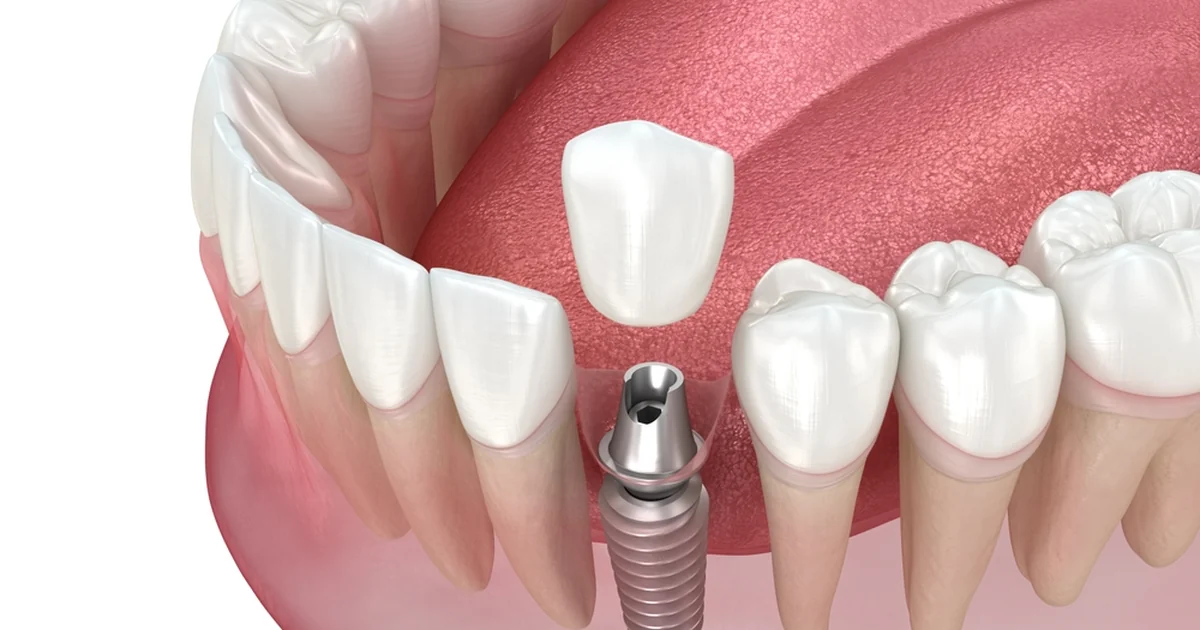
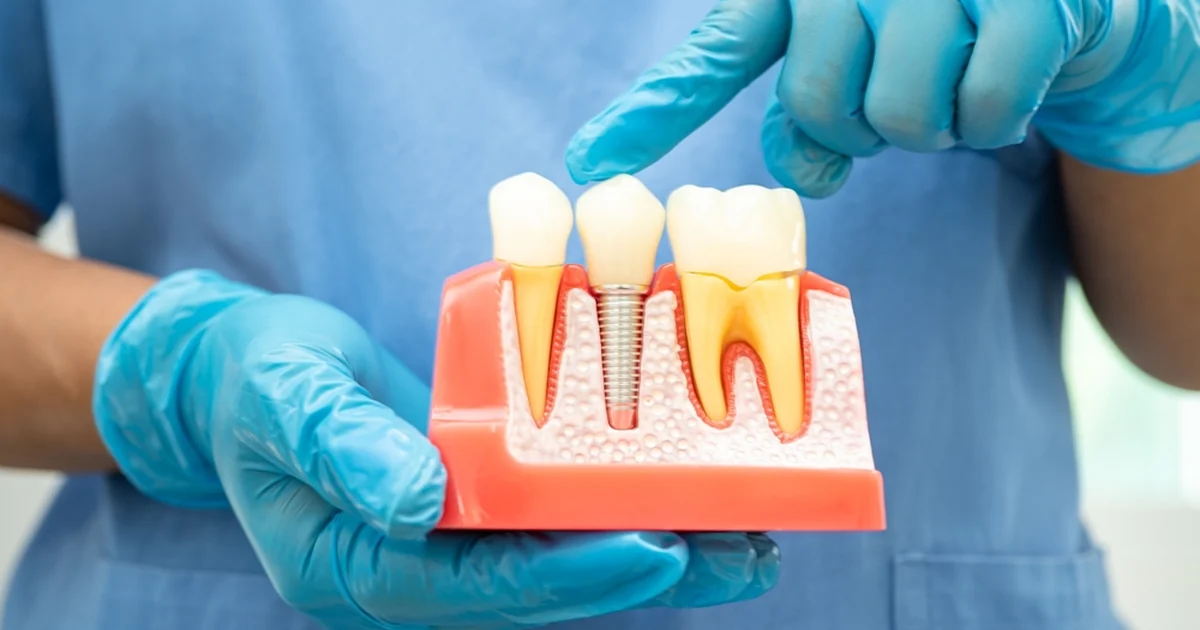
An implant is a small post, usually titanium or zirconia, placed into the jawbone in the position of a missing tooth root. Over several months the bone bonds to its surface, a process called osseointegration. Once that has occurred, the implant can support a crown, a bridge or a denture.
Three components are involved: the implant itself, an abutment that connects it to the restoration, and the crown or prosthesis you see.
Stage One: Assessment and Planning
This stage determines everything that follows, and it is where most of the thinking happens. Where a natural tooth can reasonably be saved, we will discuss that first, as an implant is a replacement rather than an upgrade.
We examine your mouth, review your medical history and medications in detail, and assess the health of your gums, since active gum disease needs treating first. Imaging follows: a digital OPG for an overview, and often cone beam 3D imaging, which shows bone height, width and density, and the position of nerves and sinuses.
A digital scan of your teeth is taken so the planned implant position can be considered in relation to your bite and the teeth around it. Planning works backwards from where the final tooth needs to sit, rather than simply placing an implant where bone happens to be.
At the end of this stage you receive a written plan with staging and costs, and an explanation of the alternatives, including a bridge, dentures or leaving the gap.
Stage Two: Preparing the Site
Some people need work before placement.
If the tooth is still present but failing, a tooth extraction is carried out, sometimes with grafting material placed into the socket at the same time to limit the bone shrinkage that follows.
Where bone volume is insufficient, grafting may be recommended, either before placement or alongside it, and in many cases bone and gum grafting can be carried out here at the practice. This adds time to the overall treatment and is discussed and quoted separately.
If gum disease is present, gum and periodontal treatment comes first. Implants are vulnerable to the same inflammatory processes as natural teeth, so stable gums matter.
Stage Three: Placement
Placement is carried out under local anaesthetic, with happy gas available for patients who would like it. Where a guide has been produced from the digital plan, it sits over the teeth and directs the position and angle precisely.
Most people report that the experience is less uncomfortable than they expected, and that the recovery is more like an extraction than major surgery. Swelling, bruising and tenderness for a few days are normal, and post-operative instructions are provided in writing.
Depending on the case, a healing cap may be fitted, or the gum closed over the implant while it integrates.
Stage Four: Healing
Osseointegration usually takes several months, and the timeframe varies with bone quality and whether grafting was involved. During this period the implant is left undisturbed. A temporary tooth can often be provided for appearance where the gap is visible.
Immediate loading, where a temporary tooth is attached at the time of placement, is possible in selected cases. It depends on how stable the implant is at placement and is decided case by case rather than promised in advance.
Stage Five: The Restoration
Once healing is complete, a digital scan records the implant position and the surrounding teeth, and your crown, bridge or implant-supported denture is made. Shade is matched to your natural teeth, and the fit and bite are checked carefully before it is fitted.
An implant crown must be cleanable, so the shape at the gum line is designed to allow floss or an interdental brush to pass beneath it.
What Follows
Implants need maintenance like natural teeth. Daily cleaning around the implant is essential, since inflammation of the surrounding tissues, known as peri-implantitis, is the most common long-term problem. Regular reviews allow us to check the fit of the restoration, the health of the gum and the bone level on X-ray.
Being Realistic
Implants are not suitable for everyone, and not every case is straightforward. Smoking, uncontrolled diabetes, certain medications and heavy grinding all affect outcomes. Complex cases may be better referred to an appropriately qualified practitioner, and we will say so where that applies.
Treatment also takes time. Anyone promising a complete result in a fortnight is describing a different, and usually more limited, situation than most patients are in.
Questions Worth Asking at the Planning Stage
Implant treatment is easier to commit to when the plan is fully explained, so ask:
- How much bone do I have, and will grafting be needed?
- Will the implant be placed using a surgical guide?
- How long will each stage take, and what will I look like in between?
- What will the final tooth be made of, and how is it attached?
- What are the risks specific to my case, and what would happen if the implant did not integrate?
- What maintenance will it need, and how often?
A clear answer to each of these tells you more about the quality of the planning than any piece of equipment in the practice.
Talk to Us About Implants
If you are missing a tooth and would like to know whether implants are a realistic option for you, start with an assessment. Call Precision Dental on (07) 3852 1160 or book online.
Prefer to watch? The Dental Implant Process is a short video from our team.