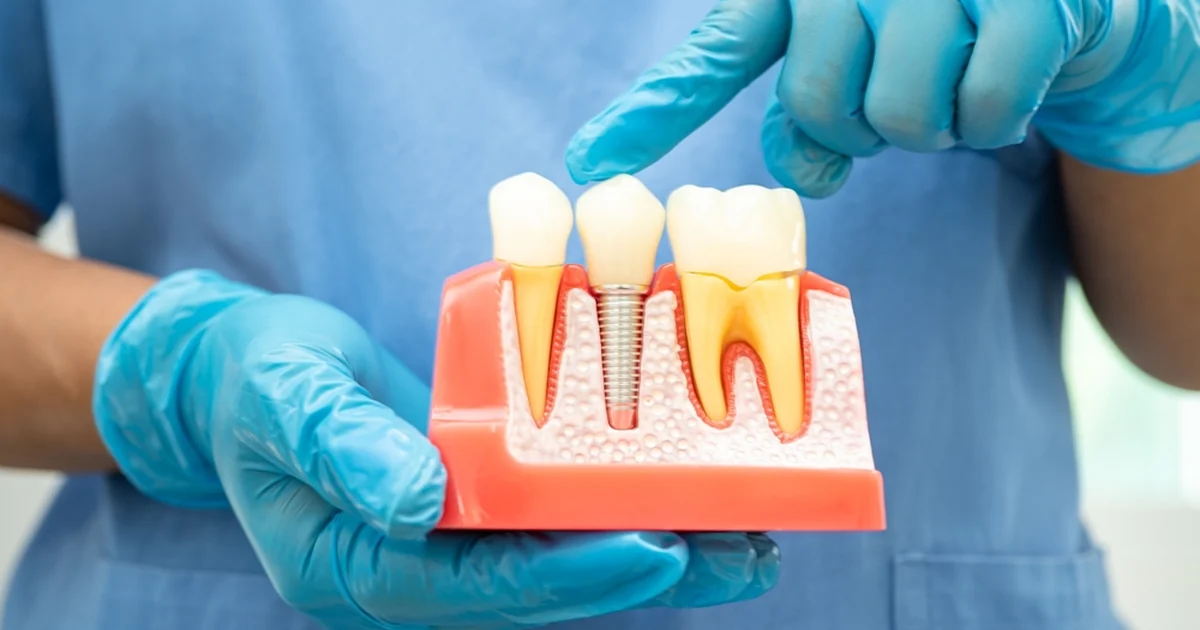
An implant cannot decay, which leads some people to assume it needs less attention than a natural tooth. The opposite is closer to the truth. Implants do not get cavities, but the gum and bone around them can become inflamed, and that is the most common reason implants run into trouble years after placement.
The good news is that the daily routine is simple and takes barely longer than caring for your natural teeth.
What You Are Protecting
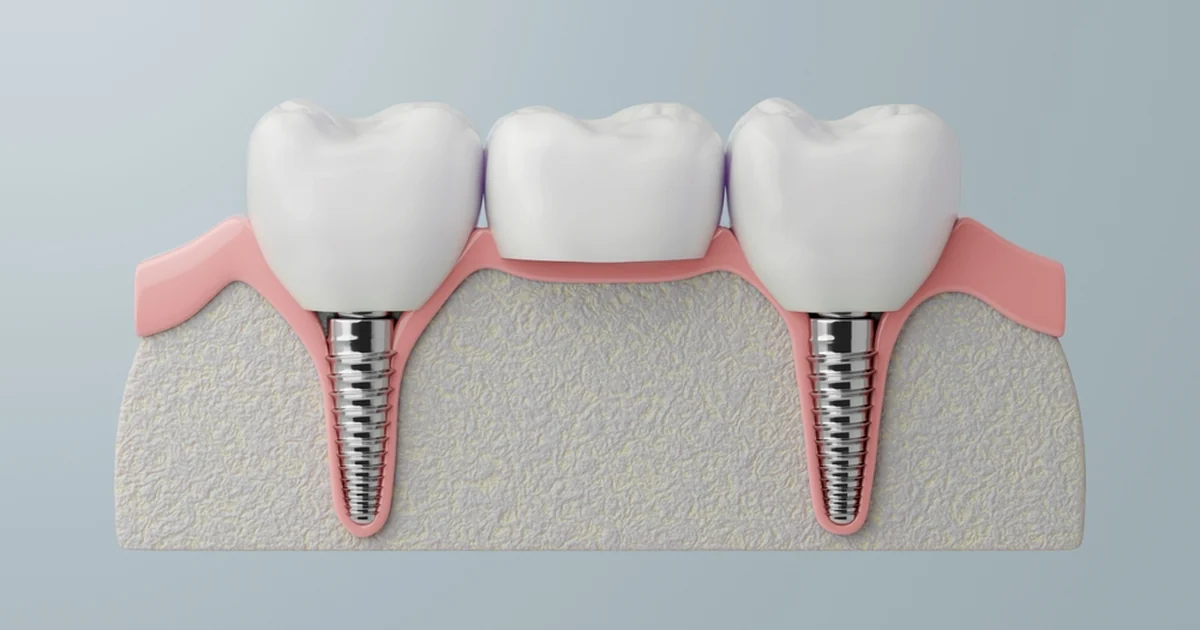
A natural tooth is attached to the bone by a ligament with its own blood supply, which helps it resist and recover from inflammation. An implant sits directly against bone, without that ligament.
When plaque builds up at the gum line around an implant, the tissues become inflamed, a condition called peri-implant mucositis. Left unchecked, the inflammation can extend to the bone, which is peri-implantitis. Bone lost in this way does not regrow, so prevention matters far more than treatment.
The First Two Weeks After Placement
While the surgical site heals, the aim is to keep the mouth clean without disturbing the area. You will receive written instructions, and we will show you how to clean around your new implant once it is ready.
- Brush your other teeth twice daily with an extra-soft brush
- Keep the brush away from the surgical site until we advise otherwise
- Rinse as directed, usually with warm salt water or a prescribed mouthwash
- Stick to soft foods and chew on the other side
- Avoid smoking, which significantly slows healing
Your Daily Routine
Brushing
Brush twice daily with a soft brush and fluoride toothpaste. Pay particular attention to where the crown meets the gum, angling the bristles towards the gum line. An electric brush is fine, and many people find it easier to maintain consistent technique with one. Avoid abrasive pastes, which can scratch the polished surfaces of the restoration.
Cleaning Around and Beneath
This is the part that matters most.
- Interdental brushes are usually the most effective option. Use a size that fits without forcing, and choose brushes with a coated wire rather than exposed metal
- Floss works too, and implant-specific or superfloss types with a spongy section clean the wider surfaces well. Wrap it around the crown and use a gentle back-and-forth, shoeshine motion
- Water flossers are particularly useful around implant bridges and implant-supported dentures, where access is harder
Your implant crown was designed to be cleanable, so if you cannot get beneath or around it, tell us. A shape that traps plaque is a problem worth addressing rather than working around.
Implant-Supported Dentures
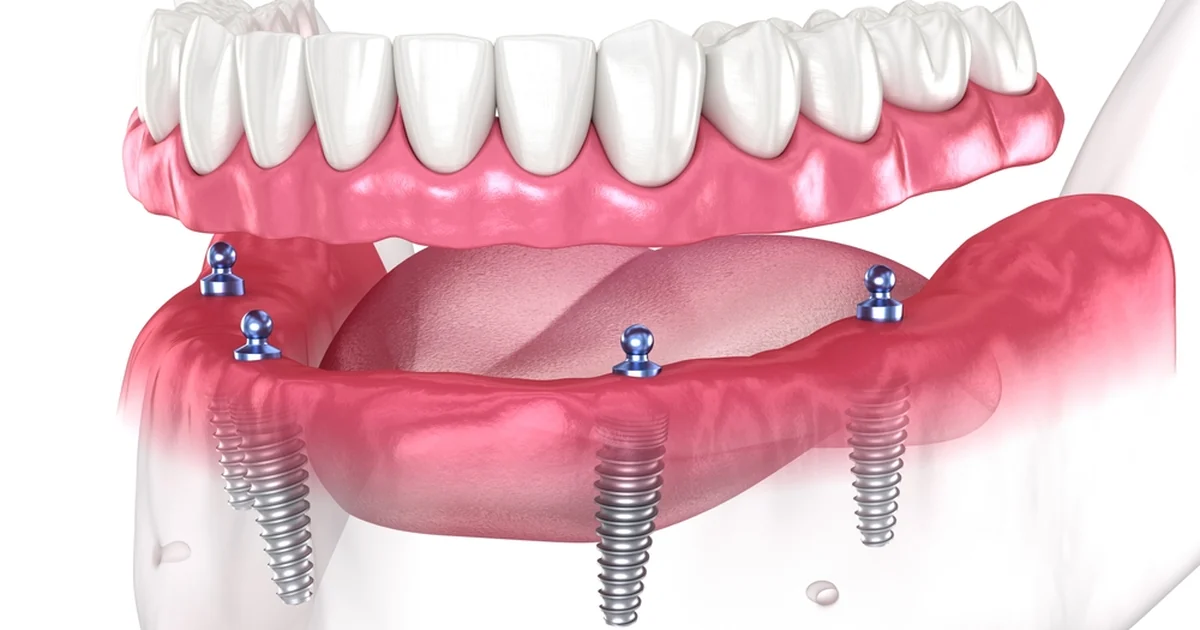
Remove the denture daily and clean both the denture and the attachments. Clean around each implant abutment individually, and leave the denture out overnight unless advised otherwise, so the tissues can rest.
Signs to Act On
Contact us if you notice:
- Bleeding when you clean around the implant
- Red, swollen or tender gum at the implant
- Pus or a bad taste
- The crown feeling loose, or a clicking sensation when you bite
- A change in how the implant feels when you chew
- Gum that appears to be receding around the implant
Peri-implant inflammation is usually painless in the early stages, which is exactly why bleeding should never be ignored. Caught early, it is often reversible with professional cleaning and better home care. Caught late, the options narrow considerably.
Habits That Threaten Implants
- Smoking is the single largest modifiable risk factor for implant complications
- Uncontrolled diabetes impairs healing and the response to inflammation
- Grinding and clenching overloads the implant and can fracture components or the crown. A night splint is usually recommended where grinding is present
- Skipping maintenance visits, since problems develop silently
- Using teeth as tools, opening packaging or biting hard objects
Professional Maintenance
Implants need a specific kind of professional care. We use instruments suited to implant surfaces, measure the tissues around each implant, check that the restoration is secure, and take X-rays periodically to monitor the bone level.
Your maintenance interval may be more frequent than for natural teeth alone, particularly in the first year or if you have a history of gum and periodontal treatment. For most people a regular check-up and clean schedule incorporates implant maintenance without needing separate visits.
A Realistic Expectation
Implants are a long-term solution, not a permanent one requiring nothing further. The implant itself may last many years, while the crown attached to it can chip or wear and may need replacing at some point. Screws occasionally loosen and are retightened. None of this is unusual; it simply means an implant is a restoration that needs reviewing, like any other.
A Simple Daily Routine
For most people with a single implant crown, the routine looks like this.
Morning: brush for two minutes with a soft brush and fluoride toothpaste, paying attention to the gum line around the implant.
Evening: brush again, then clean around and beneath the implant crown with an interdental brush or implant floss, working gently all the way round rather than only from the front.
That is it. It takes an extra 30 seconds compared with a natural tooth, and it is the difference between an implant that stays healthy for years and one that develops inflammation you cannot see coming.
If you have several implants, a bridge or an implant-supported denture, the tools change but the principle does not: every surface that meets the gum needs cleaning daily.
Tools Worth Having
A short list covers most situations: a soft manual or electric toothbrush, a set of interdental brushes in the sizes that fit your gaps, and either implant floss or a water flosser depending on the design of your restoration.
Avoid anything abrasive on the restoration, including charcoal pastes and heavy-duty stain-removal products. Metal picks and hard toothpicks can scratch implant components and are best avoided.
If you are unsure which size interdental brush fits, ask at your next visit. Using one that is too small does little, and forcing one that is too large irritates the gum.
Book an Implant Review
If you have implants and it has been a while since they were checked, or you are unsure how to clean around them, we can help. Call Precision Dental on (07) 3852 1160 or book online.
Prefer to watch? The Dental Implant Process is a short video from our team.