Tooth decay remains one of the most common health conditions in Australia, and it is also one of the most preventable. Understanding what is actually happening inside the tooth makes the prevention advice far easier to follow, because the reasons behind it become obvious.
How a Cavity Forms
Plaque is a sticky film of bacteria that builds up on teeth continuously, which is why it needs removing every day. Those bacteria feed on sugars and starches. As they do, they produce acid. That acid dissolves minerals out of the enamel surface, a process called demineralisation.
Saliva works in the opposite direction. It neutralises the acid and carries calcium, phosphate and fluoride back into the enamel, repairing the early damage. This is remineralisation.
Every day your teeth swing between these two processes. A cavity forms when demineralisation consistently outpaces repair. The critical factor is not how much sugar you eat but how often, because every exposure starts an acid attack lasting roughly 20 to 40 minutes. Six small snacks do far more damage than one dessert.
The Stages of Decay
Early Demineralisation
A chalky white spot appears, often near the gum line. There is no hole and no pain. At this stage the damage can often be reversed with fluoride, reduced snacking and better cleaning.
Enamel Decay
The surface breaks down and a small cavity forms. Still usually painless, because enamel has no nerve supply. This is the ideal moment to place a small white filling.
Dentine Decay
Once through the enamel, decay spreads more quickly in the softer dentine beneath. Sensitivity to cold and sweetness usually begins here. A larger filling is needed, and sometimes an inlay, onlay or crown.
Pulp Involvement
Bacteria reach the nerve, causing inflammation and often significant pain. Root canal therapy or extraction becomes necessary.
Abscess
Infection spreads beyond the root tip, producing swelling, throbbing pain and sometimes fever. This needs urgent treatment.
The pattern is worth noticing: the cheapest, simplest and most comfortable treatment is always at the earliest stage, and that stage is silent. Waiting for pain means skipping the easy options.
Where Cavities Hide
Decay favours places brushing misses: between teeth, in the deep grooves of back teeth, around the margins of old fillings and crowns, and on exposed root surfaces where gums have receded.
That is why we use digital X-rays and DiagnoCam, which uses light rather than radiation to help reveal decay between teeth, and why an examination finds things you cannot see yourself.
Who Is at Higher Risk
- Anyone with a dry mouth, often from medication
- People who snack or sip sweet drinks frequently
- Those with deep grooves in their back teeth
- People with gum recession exposing softer root surfaces
- Anyone with many existing fillings or crowns
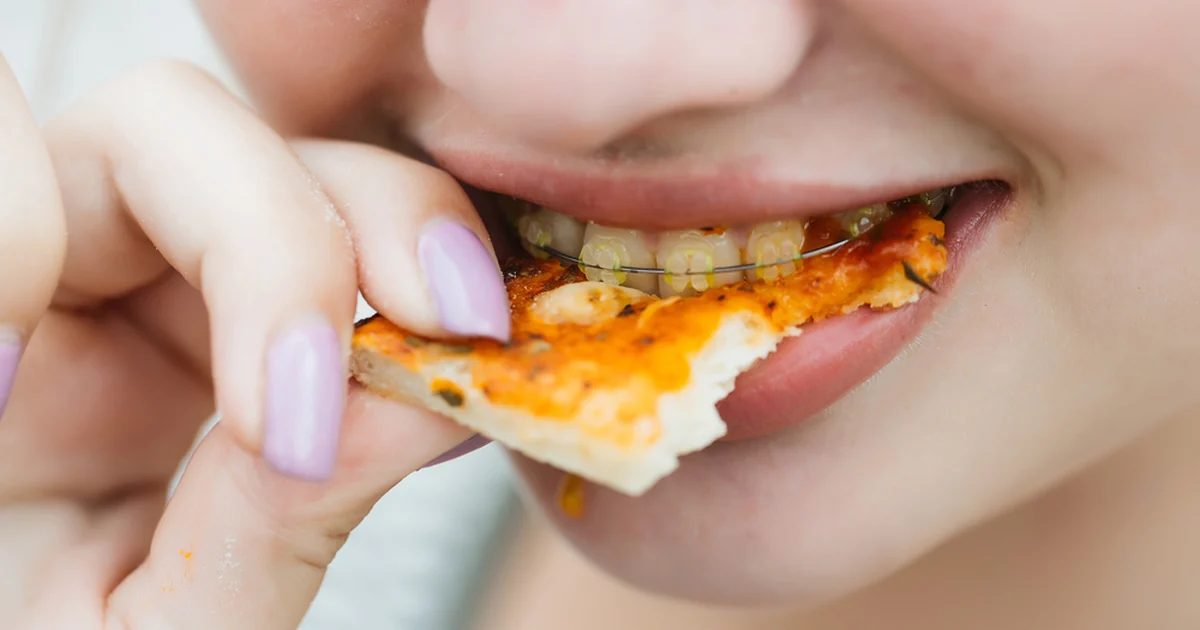
- Children and teenagers, particularly around braces
- People who have had decay recently, as it is the strongest predictor of future decay
Preventing Cavities
Reduce the Number of Acid Attacks
Keep sweet and starchy foods to mealtimes, and aim for a balanced diet overall. Drink water between meals rather than juice, soft drink or sweetened coffee. If you do have something sweet, finish it rather than grazing on it.
Brush Properly, Twice a Day
Two minutes with fluoride toothpaste and a soft brush, angled at the gum line. Spit, do not rinse, so the fluoride keeps working. Replace your brush every two to three months, as worn bristles remove plaque less effectively.
Clean Between Your Teeth Daily
This is where a large share of adult decay begins, and no amount of brushing reaches it.
Use Fluoride Deliberately
Fluoride toothpaste is the foundation. For higher-risk patients we may recommend a high-fluoride toothpaste, professional fluoride applications or a fluoride mouth rinse.
Consider Fissure Sealants
Thin protective coatings placed in the deep grooves of back teeth reduce decay in those surfaces, and they are especially useful in children's dentistry.
Keep Saliva Flowing
Drink water, chew sugar-free gum after meals, and tell us about medications that dry your mouth so we can adjust your preventive care for adults.
Attend Regular Check-Ups
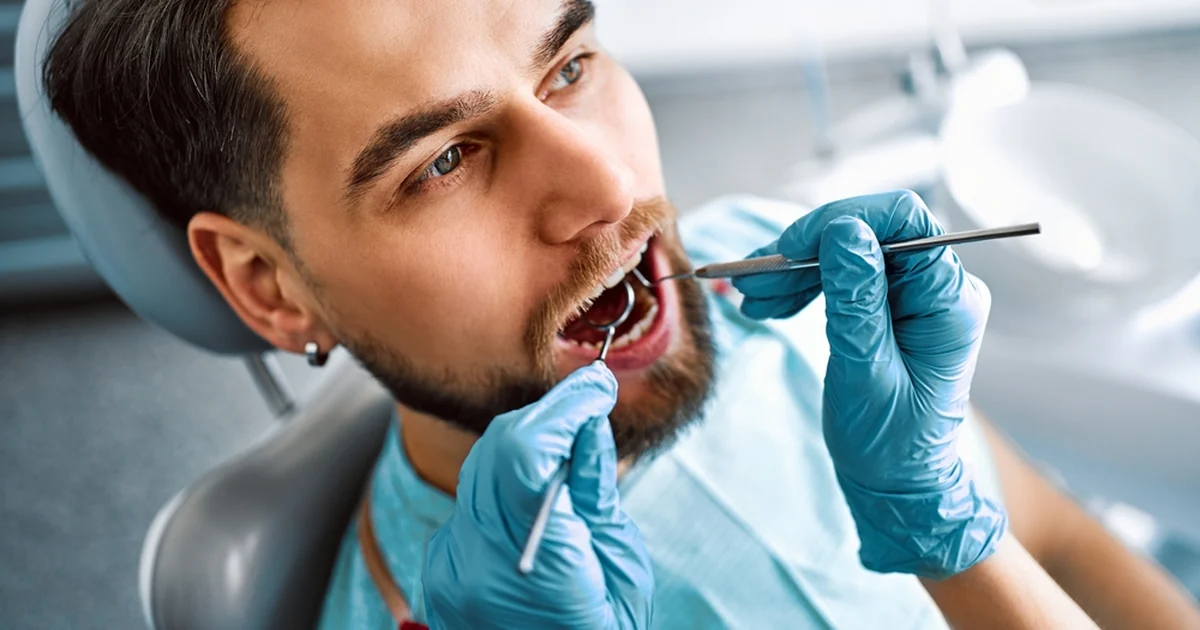
Regular examinations find early decay while it is still reversible or treatable with something small. The visit also includes removing hardened tartar, polishing away plaque and surface stain, and advice on brushing and cleaning between your teeth if any areas are being missed. Minor sensitivity or an occasional twinge is worth mentioning, as it can be an early clue. Your recommended interval should reflect your personal risk rather than a fixed rule.
How Cavities Are Treated
Treatment depends entirely on the stage. Early white spots may be managed with fluoride and monitoring. Small and moderate cavities are restored with tooth-coloured white fillings. Where a large amount of tooth is lost, an onlay or crown provides better protection, and with CEREC same-day crowns this can often be completed in one appointment. If the nerve is involved, root canal therapy or removal of the tooth becomes the discussion.
We will always explain which stage your tooth is at and what the alternatives are, including watching an early lesion rather than treating it immediately.
Common Myths Worth Clearing Up
"Only sugar causes decay." Starches break down into sugars in the mouth too, so crisps, crackers and bread contribute, especially when they stick to the teeth.
"If it does not hurt, it is fine." Decay is painless for most of its progression. Pain marks the late stage, not the beginning.
"Baby teeth do not matter." Decay in baby teeth causes pain and infection and can affect the adult teeth developing beneath.
"Brushing harder cleans better." It wears enamel and gums. Technique and coverage matter, not force.
"Sugar-free drinks are safe for teeth." Many are highly acidic, which erodes enamel even without sugar.
Book a Check-Up
If it has been a while, or if you have noticed sensitivity, a check-up and clean is the simplest way to find out where things stand. Call Precision Dental on (07) 3852 1160 or book online.
Prefer to watch? Early Signs of Tooth Decay is a short video from our team.