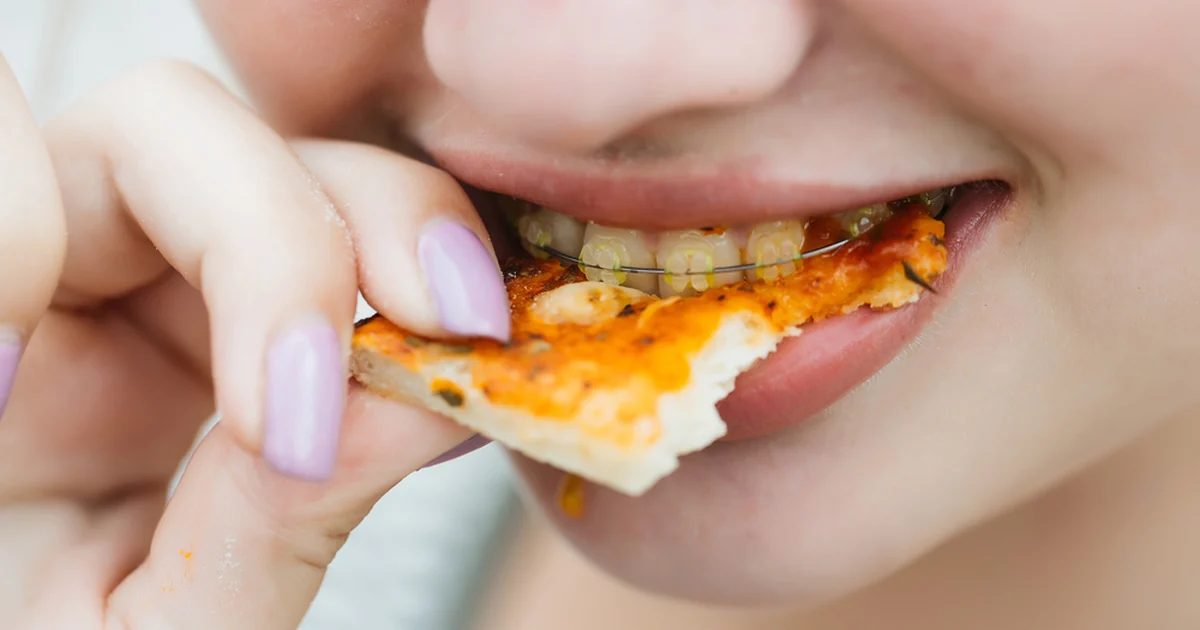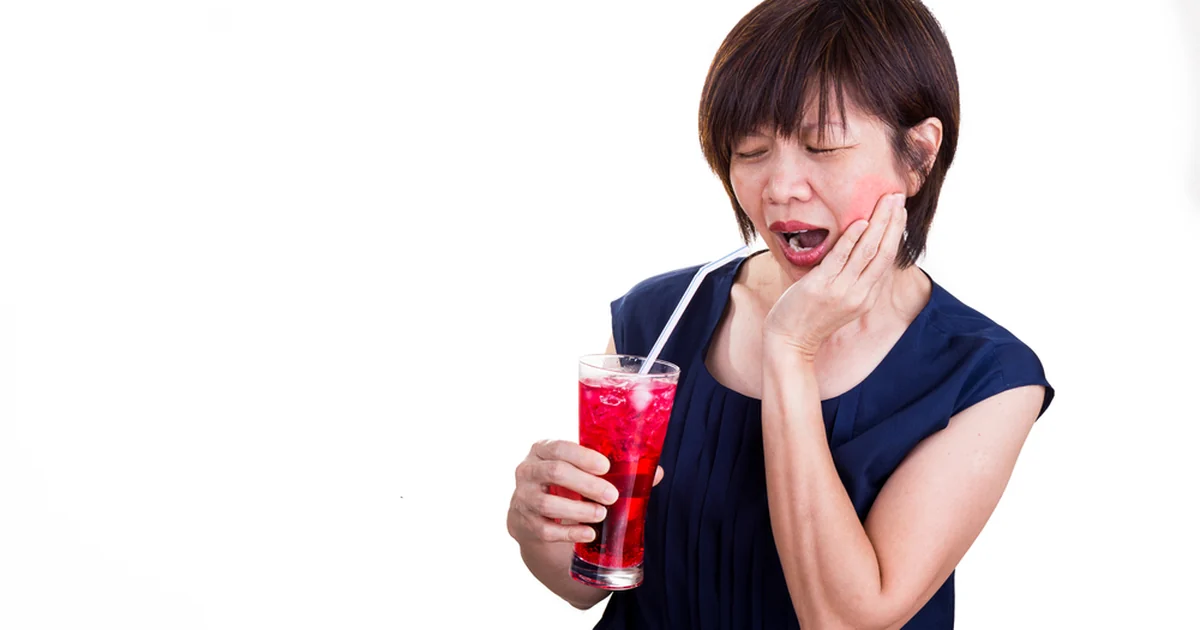

Most people know that soft drink and chocolate are bad news for teeth. What catches them out is everything else: the pasta sauce, the breakfast cereal that looks wholesome, the yoghurt marketed at children, the bottle of iced tea bought instead of a soft drink.
For your teeth, sugar from a "healthy" product behaves exactly the same as sugar from a lolly. Here is how to find it on a label and which everyday items are worth a second look.
How Much Is Too Much?
The World Health Organization recommends keeping free sugars to around six teaspoons, or roughly 24 grams, a day for adults, and Australians on average eat well over double that. This was the focus of the Australian Dental Association's Dental Health Week campaign of the same name, which encouraged people to check labels for the sugar they did not know they were buying.
Why Frequency Matters More Than Quantity
Each time sugar reaches your mouth, bacteria in plaque produce acid that softens enamel for roughly 20 to 40 minutes afterwards. Saliva then repairs the damage, provided it gets time to work.
This means the pattern of eating matters more than the total. A dessert eaten in ten minutes creates one acid attack. A bottle of sweetened drink sipped across an afternoon creates a near-continuous one. Hidden sugars are a particular problem because they show up in the things we consume repeatedly through the day.
Reading the Label
Use the Per 100g Column
Ignore the per-serve column, which uses serving sizes rarely matched in real life. In the per 100g column:
- Under 5g of sugar per 100g is low
- Under 10g per 100g is a reasonable target for everyday foods
- Over 15g per 100g is high
It also helps to know that one teaspoon of sugar is about 4 grams. Divide the grams on the label by four to picture it in teaspoons: a drink with 20g of sugar holds around five.
For drinks, use the per 100ml figure. Anything above about 5g per 100ml is comparable to a soft drink.
Learn the Other Names for Sugar
Ingredients are listed by weight, so anything near the start of the list is a major component. Sugar appears under many names:
- Anything ending in -ose: sucrose, glucose, fructose, maltose, dextrose, lactose
- Syrups: golden, maple, rice, corn, glucose syrup
- Concentrates: fruit juice concentrate, apple concentrate
- Natural-sounding options: honey, agave, molasses, raw sugar, coconut sugar, evaporated cane juice
Splitting sugar across several of these names moves each one further down the ingredients list, even though the total is unchanged.
Watch for Acid Too
Sugar is only half the story. Acidity erodes enamel directly, regardless of sugar content. Citric acid, phosphoric acid and vinegar-based dressings all contribute, which is why sugar-free soft drinks and sparkling waters with added flavour are not the safe option people assume.
Where the Sugar Hides
- Breakfast cereals and muesli bars. Many "natural" options are bound with syrup or concentrated fruit juice.
- Flavoured yoghurt. Especially products aimed at children. Plain yoghurt with fresh fruit gives you control.
- Pasta sauces and simmer sauces. Often several teaspoons per jar.
- Bread, wraps and crackers. Sugar is common, and starches break down into sugars in the mouth anyway.
- Sauces and dressings. Tomato sauce, barbecue sauce, sweet chilli, teriyaki and many salad dressings.
- Dried fruit and fruit straps. Concentrated sugar in a sticky form that clings to the grooves of teeth, which makes it worse for teeth than fresh fruit.
- Sports and energy drinks. High in both sugar and acid, and typically sipped over a long period.
- Flavoured milks, iced teas and juice. Often comparable to soft drink.
- Cough lozenges and sweetened medicines. Usually taken repeatedly over several days.
- Coffee shop drinks. A flavoured syrup latte or chai can carry a surprising amount.
Swaps That Actually Help
- Plain yoghurt with fresh fruit instead of flavoured tubs
- Fresh fruit instead of dried fruit and fruit straps
- Water or plain milk as the default drink
- Cheese, nuts and vegetables as snacks, since cheese helps neutralise acid
- Unsweetened cereal or porridge, with fruit added for sweetness
- Passata or a low-sugar pasta sauce
- Sugar-free gum after meals to stimulate saliva
Habits That Protect Teeth Regardless
You do not have to eliminate sugar, and we would not suggest it. What helps most is changing when and how often it appears.
- Keep sweet foods and drinks to mealtimes rather than grazing
- Drink water between meals
- Rinse with water after something sweet or acidic
- Wait around 30 minutes before brushing after acidic food or drink, as enamel is temporarily softened
- Check labels on things you buy every week, since those are the items that matter most
A Note for Families
Children's diets are where hidden sugar does the most damage, partly because of frequency and partly because new enamel is more vulnerable. Lunchbox items marketed as healthy are worth checking, and a water bottle instead of juice makes a bigger difference than most parents expect. Our children's dentistry visits include practical, non-judgemental advice on this.
If Decay Has Already Started
Early decay often appears as chalky white spots and can sometimes be arrested with fluoride and reduced snacking. Established cavities need a white filling. Either way, catching it at a check-up and clean beats finding out when it hurts, and your preventive care for adults can be adjusted to suit your diet and risk.
Discoloration from coffee, tea and red wine is a separate issue and can be addressed with professional teeth whitening once your teeth are healthy.
A Practical Shopping Rule
You do not need to audit every product. Focus on the items that enter your trolley every week, because those are the ones your teeth meet most often.
Pick five regulars: your cereal, your bread, your yoghurt, your sauce and your usual drink. Check the per 100g sugar figure on each, and swap any that sit well above 15g for a lower option. That single exercise, done once, changes hundreds of exposures over the following year without any daily effort.
Ignore front-of-pack claims such as "no added sugar", "natural" or "made with real fruit". They describe marketing positioning, not sugar content. The nutrition panel and the ingredients list are the only parts worth reading.
Book a Check-Up
If you would like personalised advice about diet and decay risk, ask at your next appointment. Call Precision Dental on (07) 3852 1160 or book online.