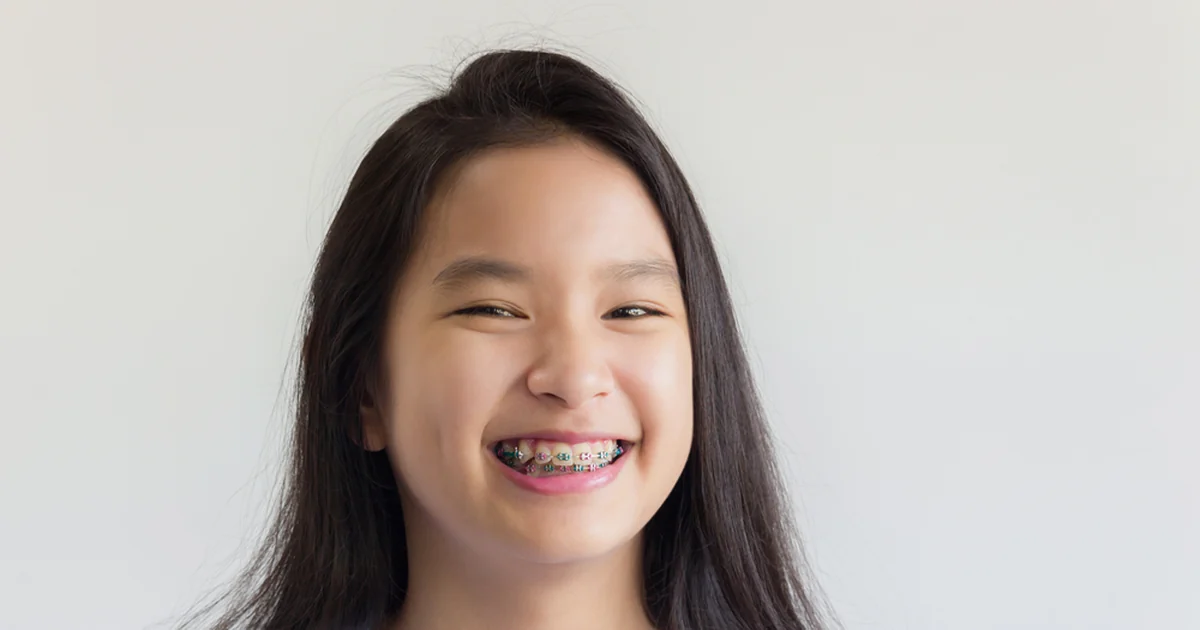
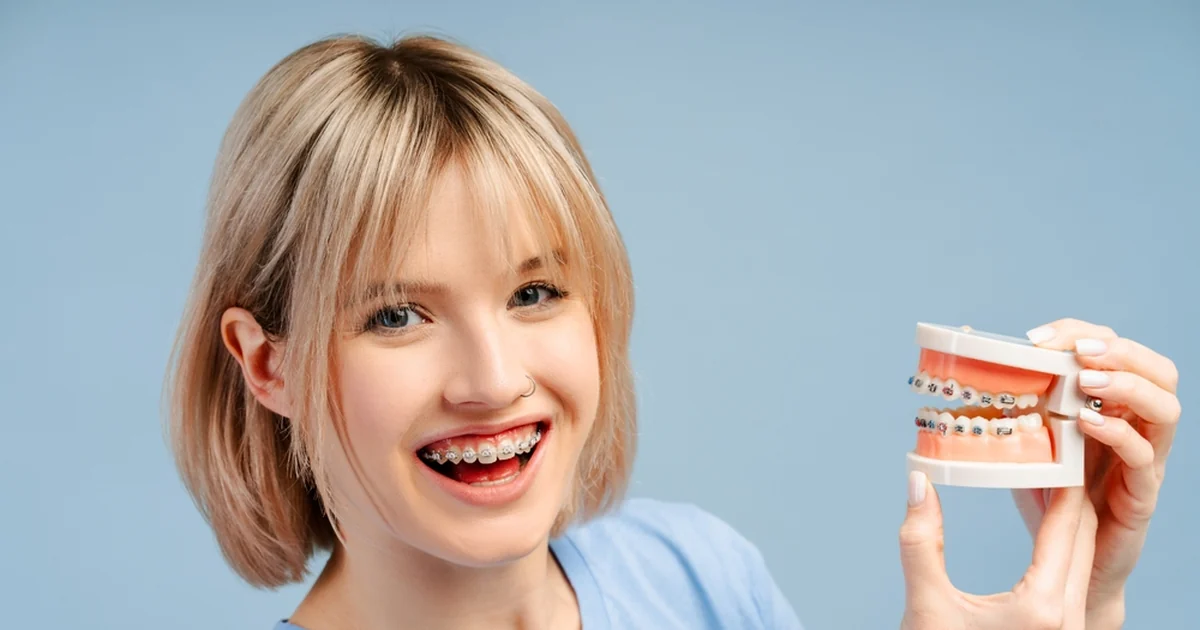
Fixed braces work by applying steady, gentle pressure through brackets bonded to the teeth and a wire running between them. That system is strong in the direction it needs to be and surprisingly vulnerable in others. A single bite into something hard can pop a bracket off, and every repair appointment adds time to treatment.
Here is a practical guide to eating well without damaging anything.
The Two Rules
Almost everything comes down to two principles:
Hard foods break brackets. Anything that requires a forceful bite or might contain something solid.
Sticky foods pull brackets off and trap sugar. Anything that clings to the metalwork.
Once you have those, you can work out most foods yourself.
Foods to Avoid
- Hard nuts, boiled lollies and ice
- Popcorn, including the unpopped kernels at the bottom of the bowl
- Hard or crusty bread, pizza crusts and bagels
- Toffee, caramel, chewy lollies and chewing gum
- Corn on the cob, whole apples and whole carrots, unless cut up
- Crunchy chips and hard crackers
- Hard biscuits and anything requiring a strong bite
- Olives and stone fruit with the pit left in
Also avoid chewing pens, fingernails and anything else not intended as food, which accounts for a surprising number of emergency repairs.
Foods That Are Fine
Plenty is still available, particularly with a little preparation:
- Soft breads, pasta, rice and couscous
- Eggs, soft fish, slow-cooked meats and mince dishes
- Steamed or roasted vegetables
- Soft fruits, and firmer fruits cut into pieces
- Yoghurt, cheese, smoothies and milk
- Soups and stews
- Bananas, avocado, hummus and soft dips
Cutting food into smaller pieces and using your back teeth rather than biting with the front ones solves most problems before they occur.
The First Week
After braces are fitted, and for a day or two after each adjustment, teeth are usually tender. Stick to soft foods for a few days and the discomfort passes.
Orthodontic wax over a bracket that is rubbing helps while the cheeks toughen up, and a warm salt water rinse soothes sore spots. Over-the-counter pain relief is reasonable if needed.
Drinks Deserve Attention
This is where most of the lasting damage happens, and it is often overlooked.
Soft drinks, energy drinks, sports drinks, cordial and juice are all acidic as well as sugary, and with brackets on the teeth there are far more places for that sugar to sit. The result is the pattern orthodontists see repeatedly: white decalcification marks around where the brackets were, visible permanently once the braces come off.
Water should be the default. Keep sweet and acidic drinks to mealtimes rather than sipping them through the day, and rinse with water afterwards.
Keeping Teeth Clean
Brushing with braces takes longer, and it matters more.
- Brush after every meal where possible, angling the brush above and below the brackets
- Use an interdental brush to clean around each bracket and under the wire
- Floss with threaders or orthodontic floss, or use a water flosser
- Use fluoride toothpaste, and ask us whether a high-fluoride product or a fluoride mouth rinse would suit you
- Keep up your regular check-up and clean appointments during orthodontic treatment, as gum inflammation is common and gum and periodontal treatment is easier to avoid than to treat
If decalcification or decay does develop, it may need white fillings once treatment finishes, so prevention is far preferable.
Sport
Wear a mouthguard during any contact or ball sport. Standard guards do not fit over braces, so an orthodontic mouthguard or a custom mouthguard made to accommodate the appliances is needed.
If Something Breaks
Call your orthodontist or dentist promptly. A loose bracket, a poking wire or a lost separator is not usually an emergency, but leaving it slows treatment. In the meantime, orthodontic wax over a sharp edge makes things bearable.
What About Clear Aligners?
With Invisalign there are no food restrictions, because the aligners come out to eat. The trade-off is discipline: they need to be worn 20 to 22 hours a day, removed for anything other than water, and your teeth brushed before they go back in. Our page on preventive care for young adults covers the broader habits that matter during these years.
Looking After Retainers Afterwards
The food rules relax once braces come off, but the job is not finished. Teeth have a strong tendency to drift back towards their previous positions, and retainers are what prevent that.
Removable retainers should be worn exactly as instructed, cleaned daily with a soft brush and cool water, and kept in their case when they are out. Heat distorts them, so never rinse one in hot water or leave it in a car.
Fixed retainers, bonded behind the front teeth, need careful cleaning with floss threaders or a water flosser, as plaque gathers along the wire. Tell us at your check-up if one feels loose.
Book a Check-Up During Treatment
Orthodontic patients still need regular dental check-ups, and we are happy to work alongside your orthodontist. Call Precision Dental on (07) 3852 1160 or book online.