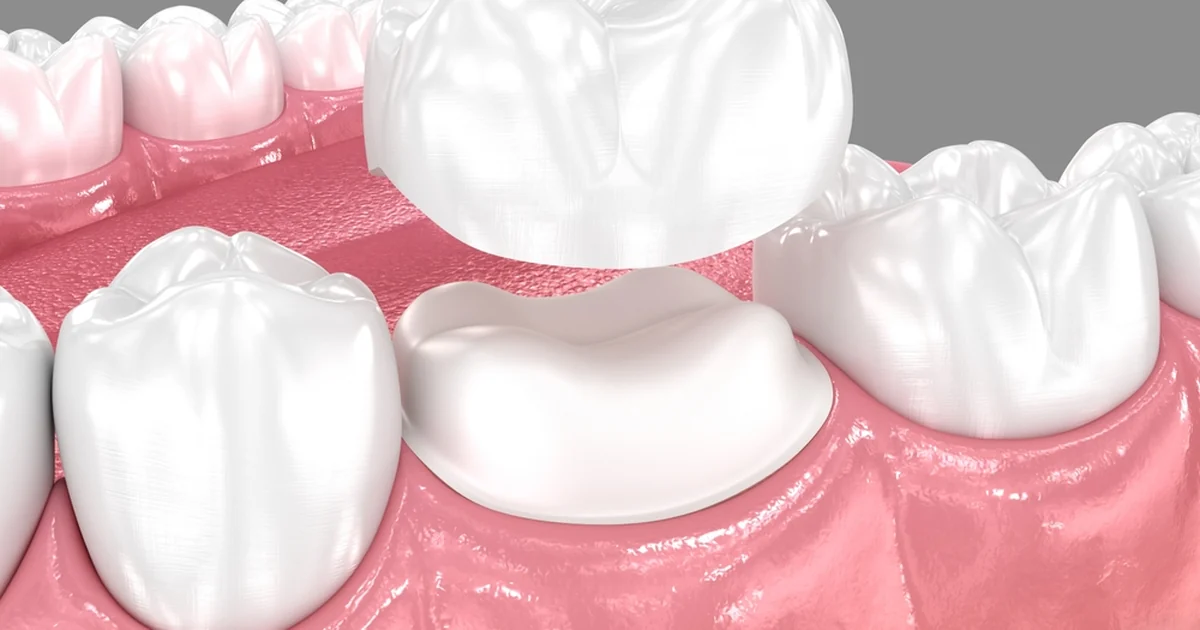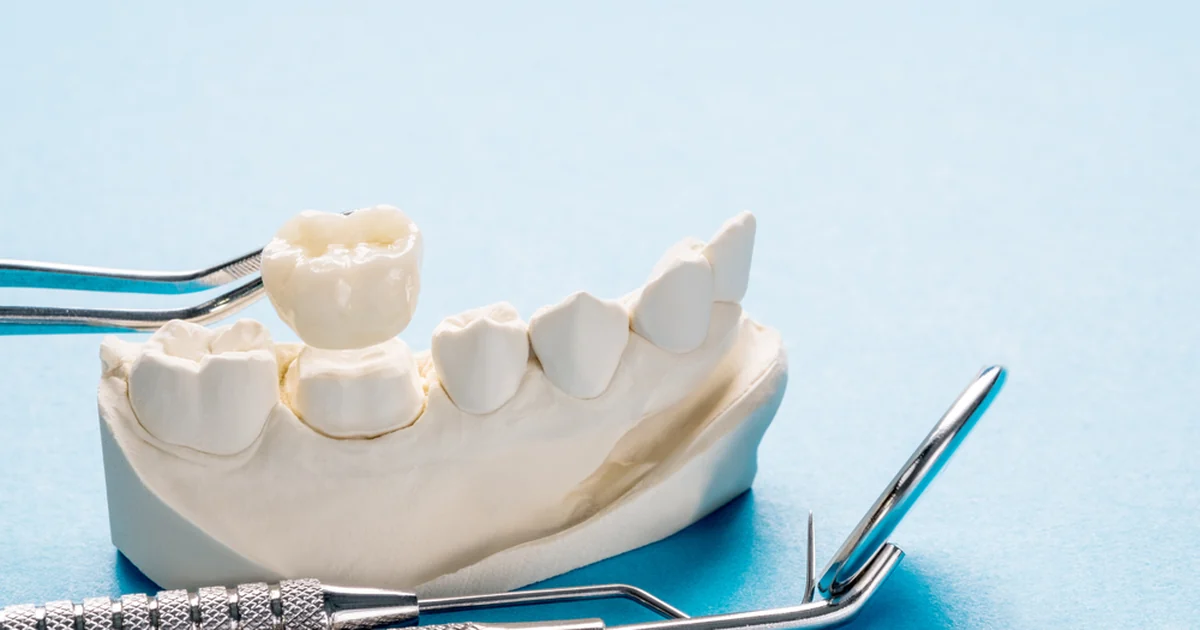
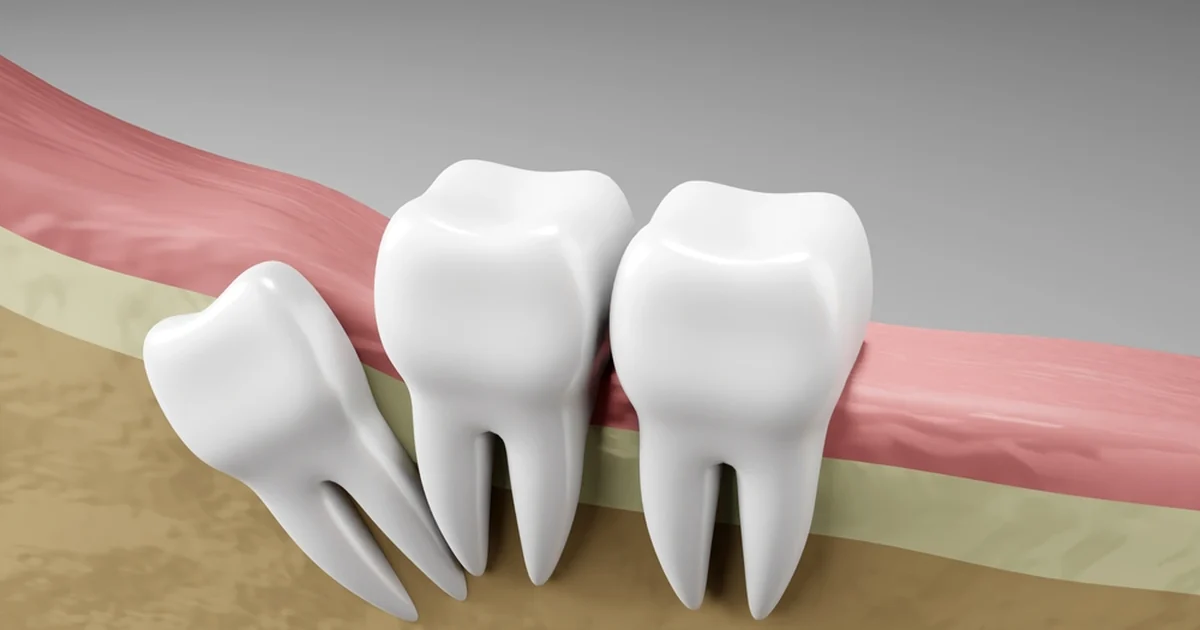
It is one of the first questions people ask when a crown is recommended, and a fair one given the cost involved. The honest answer is that there is no single number. Crowns are not like tyres, with a predictable distance before replacement. Some last many years with no attention at all, while others need replacing sooner, and the difference usually has less to do with the crown than with the tooth underneath and the mouth around it.
Ranges of five to 15 years are often quoted, partly so that nobody expects a crown to be indestructible. In practice, crowns that are well made, well fitted and well looked after frequently last much longer, and long-term studies have found the large majority still functioning after ten years and many after 25. A minority do fail along the way, which is a useful reminder that care matters.
Here is what actually determines lifespan, and what you can influence.
What Usually Causes a Crown to Need Replacing
Crowns rarely fail because the ceramic simply wears out. Far more often, one of the following happens.
Decay at the Margin
The margin is the line where the crown meets your natural tooth, usually at or just under the gum. A crown cannot decay, but the tooth structure at that join can, and it is often the reason a crown eventually needs replacing. Decay here is frequently painless and may only be picked up on an X-ray, which is one of the reasons regular check-ups matter after crown work.
Gum Recession
As gums recede over the years, the margin can become exposed. This may look unattractive on a front tooth, particularly with older porcelain-fused-to-metal crowns where a dark line can appear, and it leaves softer root surface more vulnerable to decay. Gum and periodontal treatment and good daily cleaning help slow recession.
Fracture of the Crown or the Tooth
Ceramic can chip, particularly under heavy load. The tooth beneath can also fracture, sometimes below the gum line, which is a more serious problem because it may not be restorable. Grinding and clenching is a major contributor here.
The Cement Giving Way
Occasionally a crown comes off intact, often while eating something sticky. Whether it can simply be re-cemented depends on the condition of the tooth beneath, which we assess before deciding. If your crown comes off, keep it and book promptly, as the exposed tooth is vulnerable.
Nerve Problems Underneath
A tooth that has been crowned can still develop nerve inflammation or infection, which may require root canal therapy. In many cases this can be done through the crown, preserving it.
What Affects Lifespan Most
Your Home Care
Daily cleaning around the crown margin, including between the teeth, has more influence on lifespan than any material choice. Floss, interdental brushes or a water flosser all work, provided you use them consistently. When your crown is fitted, we will show you how to clean around it effectively.
Whether You Grind
Grinding and clenching multiplies the forces a crown absorbs every night. If we identify wear patterns, we will usually recommend a night splint, particularly where you have invested in crown work.
Where the Crown Sits
Molars absorb far greater chewing forces than front teeth, which affects material choice and can affect longevity.
How Your Teeth Meet
When teeth are crowded or out of alignment, biting forces tend to concentrate on particular teeth rather than spreading evenly. A crown on one of those teeth works harder than it would in a well-aligned bite. In some cases, straightening the teeth first, for example with Invisalign, can give crown work a better long-term setting.
The Health of the Tooth Underneath
A crown placed on a tooth with plenty of remaining structure has a stronger foundation than one placed on a heavily rebuilt tooth. This is not something you control, but it is worth understanding when we discuss the outlook for a particular tooth.
Material and Fit
All-ceramic, zirconia, porcelain fused to metal and gold behave differently under load, and full-coverage crowns behave differently again from partial restorations such as onlays. Just as important is the accuracy of the fit at the margin, and the care taken when the crown is placed, including keeping the tooth dry and clean while the crown is cemented or bonded, because both affect how well it seals. because a precise margin gives plaque fewer places to gather. Digital scanning and in-practice milling with CEREC support that accuracy.
Signs Your Crown Needs Attention
Book an appointment if you notice:
- Sensitivity to hot, cold or sweet foods around a crowned tooth
- Pain when biting down or releasing
- A rough or catching edge at the gum line
- Gum that is red, swollen or bleeds around the crown
- A dark line appearing at the margin
- The crown feeling loose or moving slightly
- A persistent bad taste around the tooth
Catching any of these early often means a simpler repair.
How to Get the Most From a Crown
- Brush twice daily with a soft brush and clean between your teeth every day
- Keep up your recommended check-up interval so margins can be monitored on examination and X-ray
- Wear a night splint if you grind
- Avoid using your teeth as tools, such as opening packets or bottles, and avoid biting your fingernails
- Be careful with ice, hard lollies, hard nuts and sticky toffees
- Wear a custom mouthguard for contact sport, since a knock can fracture a crown or the tooth beneath it
- Mention any change in how the tooth feels rather than waiting for your next scheduled visit
What Happens When a Crown Does Need Replacing
Replacement involves removing the existing crown, assessing the tooth underneath, treating any decay and re-preparing the tooth before a new crown is made. In many cases a replacement can be completed using CEREC in a single appointment.
Occasionally the tooth underneath turns out not to be restorable, in which case we will explain the options, including extraction and replacement. We would rather tell you that possibility exists beforehand than surprise you on the day.
Crowns on Implants and Bridges
The picture differs slightly for crowns supported by implants. There is no natural tooth underneath, so decay at the margin is not a concern. Instead, the risks are gum inflammation around the implant, screw loosening and wear or fracture of the crown itself. Daily cleaning around the implant and regular professional maintenance are essential for the same reason.
Bridges behave much like crowns, with an added consideration: the teeth supporting the bridge carry extra load, and cleaning beneath the replacement tooth requires floss threaders, interdental brushes or a water flosser. Where a supporting tooth develops a problem, the whole bridge may need replacing, which is one of the points we weigh up when comparing a bridge with an implant.
Talk to Us About Your Crown
Whether you are considering a crown or you have one that no longer feels right, our team is happy to take a look and explain what we find. Learn more about dental crowns and bridges, call Precision Dental on (07) 3852 1160 or book online.