Dentistry rarely changes overnight. It advances in increments, and the developments that matter are usually the ones that quietly reduce appointments, improve accuracy or help patients understand what is happening in their own mouth.
Looking at 2024, a few areas stood out, both for what they delivered and for how much hype surrounded them.
AI-Assisted Analysis of X-Rays
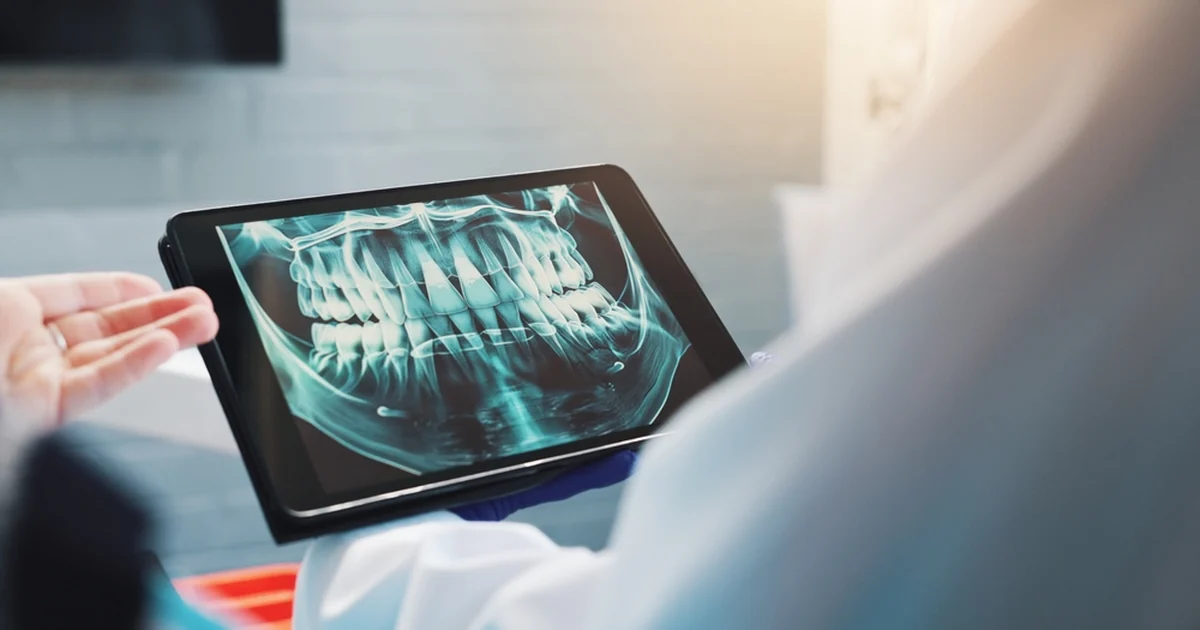
The most visible development of the year was software that analyses dental X-rays and flags areas that may represent decay, bone loss or other changes. Several systems gained regulatory clearances internationally, and adoption in general practice accelerated noticeably.
Used well, these tools act as a second pair of eyes that never gets tired or distracted. The published evidence suggests they can improve detection of early lesions, particularly between teeth.
Used badly, they create a different risk. These systems flag possibilities, not diagnoses, and they produce false positives. A highlighted area on a screen is not in itself a reason to treat a tooth. The decision still requires a dentist to examine the tooth, consider the patient's decay risk and history, and judge whether treatment or monitoring is appropriate. Any practice using this software should be able to explain that distinction clearly.
Printed Restorations Moving Closer to Everyday Use
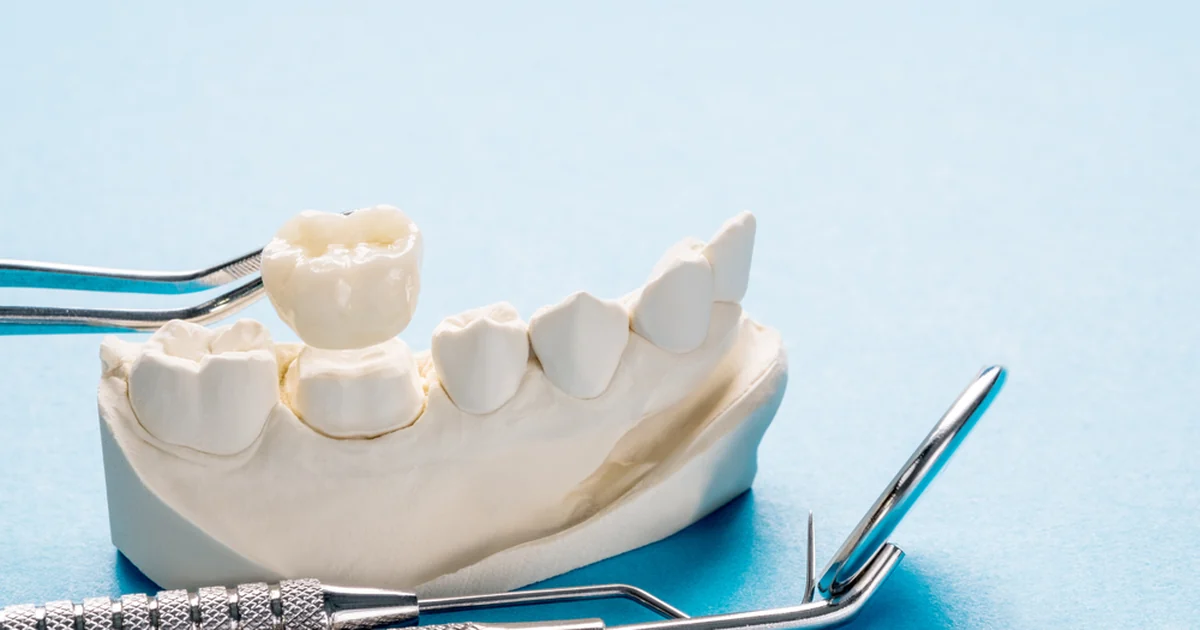
Three-dimensional printing has been routine for models, surgical guides for dental implants, splints and aligner production for several years. What changed through 2024 was the maturing of resin-ceramic hybrid materials intended for definitive restorations rather than temporary ones, with expanding regulatory approvals for permanent use.
This is genuinely promising. It is also newer than the alternatives, and the long-term clinical data remains shorter than for milled ceramics and laboratory restorations with decades of track record behind them. For a crown expected to last years under heavy load, established materials remain a sensible default, and that position will change as the evidence accumulates.
Digital Workflows Becoming the Norm
Less headline-grabbing, but more consequential for patients, was the continued shift to fully digital workflows. Scanning with a 3D intra-oral scanner rather than taking impressions, digital design, and in-practice milling have all moved from notable to ordinary.
The practical effects are the ones patients actually notice: no impression putty, which matters a great deal if you have a sensitive gag reflex; many crowns, inlays and onlays completed in a single appointment with CEREC same-day crowns; and stored digital records that allow comparison over time, so wear or recession that is invisible year to year becomes obvious across five.
Clear Aligner Planning
Aligner systems continued to refine their digital planning, attachment design and staging through 2024, extending the range of cases that can be treated. Invisalign and comparable systems now handle movements that would not have been attempted a decade ago.
The constraint has not changed. Treatment depends on the aligners being worn 20 to 22 hours a day, and complex cases are still often better served by fixed appliances or referral to an orthodontist.
Imaging and Lower Doses
Sensor technology and software continued to improve, allowing diagnostic images at lower radiation doses than earlier digital systems, which were already substantially lower than film. A digital OPG remains the standard overview image, with cone beam 3D imaging used selectively where the additional information changes the treatment, such as implant planning or assessing a wisdom tooth near a nerve.
The Quieter Shift: Minimal Intervention
Perhaps the most important development of recent years is not a device at all. Better diagnostics, adhesive materials and a stronger evidence base have continued to move dentistry away from early drilling and towards monitoring and remineralising where that is appropriate.
In practice, that means early decay may be managed with fluoride and dietary change rather than restored immediately, and when a restoration is needed, a white filling is designed to preserve as much natural tooth as possible.
What to Be Sceptical About
Technology markets itself well, and a machine in the corner of a practice tells you very little about the quality of the dentistry.
Treat with caution anything promising a complete transformation in a single visit, any treatment described as revolutionary with little published evidence behind it, and marketing that emphasises equipment over diagnosis. The outcome of a crown depends on the diagnosis, the preparation, the margin and the fit, all of which depend on the clinician rather than the hardware.
Reasonable questions to ask about any new technology: how long has this material or system been in clinical use, what are the alternatives, and what does the evidence show?
What It Means at an Ordinary Appointment
For most people, the cumulative effect of all of this at a routine check-up and clean is modest and useful: less putty, images on screen you can actually see and understand, fewer appointments for some restorations, and better records for comparison over time.
Book an Appointment
If you would like to understand how any of this applies to your own treatment, just ask. Call Precision Dental on (07) 3852 1160 or book online.