
Bad breath is common, and it is one of the few dental concerns people tend to keep to themselves. For some, it becomes a genuine source of embarrassment or social anxiety. Mints and mouthwash can mask it for an hour or two, but if the smell keeps coming back, something is producing it, and finding out what that is beats covering it up.
The vast majority of persistent bad breath, known clinically as halitosis, originates in the mouth. That is good news, because mouth-based causes are usually straightforward to identify and treat.
Where the Smell Comes From
Bacteria living in the mouth break down proteins from food debris, dead cells and plaque, producing volatile sulphur compounds. Those compounds are what we smell. Anywhere those bacteria can gather undisturbed, odour follows.
The Tongue
The back of the tongue is the single most common source. Its surface is covered in tiny papillae that trap debris and bacteria, forming a coating that brushing the teeth alone does not touch.
Gum Disease
Gum disease creates deeper spaces between gum and tooth where bacteria thrive out of reach of a toothbrush. Persistent bad breath, particularly alongside bleeding or receding gums, is a strong reason to have your gum health assessed. Gum and periodontal treatment addresses the cause rather than the symptom.
Decay, Failing Fillings and Food Traps
Cavities and broken-down restorations hold debris. Gaps where food packs between teeth do the same. Restoring these with white fillings often resolves the odour along with the problem.
Infection
An abscess produces a distinctive smell and taste, usually with pain or swelling. Infection around a partially erupted wisdom tooth does the same. Both need prompt treatment.
Dentures and Appliances
Dentures, splints and retainers accumulate plaque exactly as teeth do, and need daily cleaning. Sleeping in dentures increases the risk of odour and gum irritation, and appliances that no longer fit well trap more debris against the gums.
Oral Thrush
A fungal (yeast) infection in the mouth can produce a white or creamy coating on the tongue or cheeks along with an unpleasant taste and odour. It is more likely with a dry mouth, after a course of antibiotics, in people who wear dentures, and in those with reduced immunity.
Dry Mouth
Saliva rinses the mouth continuously, so anything that reduces it increases odour. That includes many medications, mouth breathing, snoring, dehydration, alcohol, long flights or drives, and strenuous exercise. Morning breath is the everyday version of this, since saliva flow drops overnight.
Causes Outside the Mouth
A smaller proportion of cases originate elsewhere. Sinus infections and post-nasal drip, tonsil stones, reflux, and certain respiratory conditions can all contribute. Poorly controlled diabetes, kidney disease and some liver and metabolic conditions produce characteristic breath odours, and occasionally persistent bad breath is a sign of a more serious condition that needs medical investigation.
Diet plays an obvious short-term role too. Garlic, onion, spices and coffee produce compounds absorbed into the bloodstream and released through the lungs, which is why brushing does not remove the smell entirely. Very low-carbohydrate diets and prolonged fasting can also produce a distinctive breath odour.
Smoking and vaping contribute both directly and by drying the mouth and worsening gum health. Smoking also raises the risk of oral cancer, which is another reason to keep up regular examinations.
What Helps at Home
- Brush twice daily for two minutes with fluoride toothpaste, including along the gum line
- Clean between your teeth every day with floss or interdental brushes, as this reaches where the odour often starts
- Clean your tongue gently with a tongue scraper or the back of your toothbrush, working from back to front
- Drink water regularly, particularly if your mouth feels dry
- Clean dentures and appliances daily, and remove them overnight unless advised otherwise
- Chew sugar-free gum after meals to stimulate saliva
- Limit alcohol, and consider support to stop smoking
Mouthwash can help, but choose an alcohol-free product, as alcohol dries the mouth. Use it as an extra rather than a substitute for cleaning, and not immediately after brushing, since it rinses away concentrated fluoride.
When to See a Dentist
Book an appointment if:
- Bad breath persists despite good home care for a few weeks
- Your gums bleed, are swollen or have receded
- You have a persistent bad taste
- A tooth is painful, sensitive or has a broken filling
- You have noticed swelling, or a bad smell coming from one specific area
- Your mouth feels constantly dry
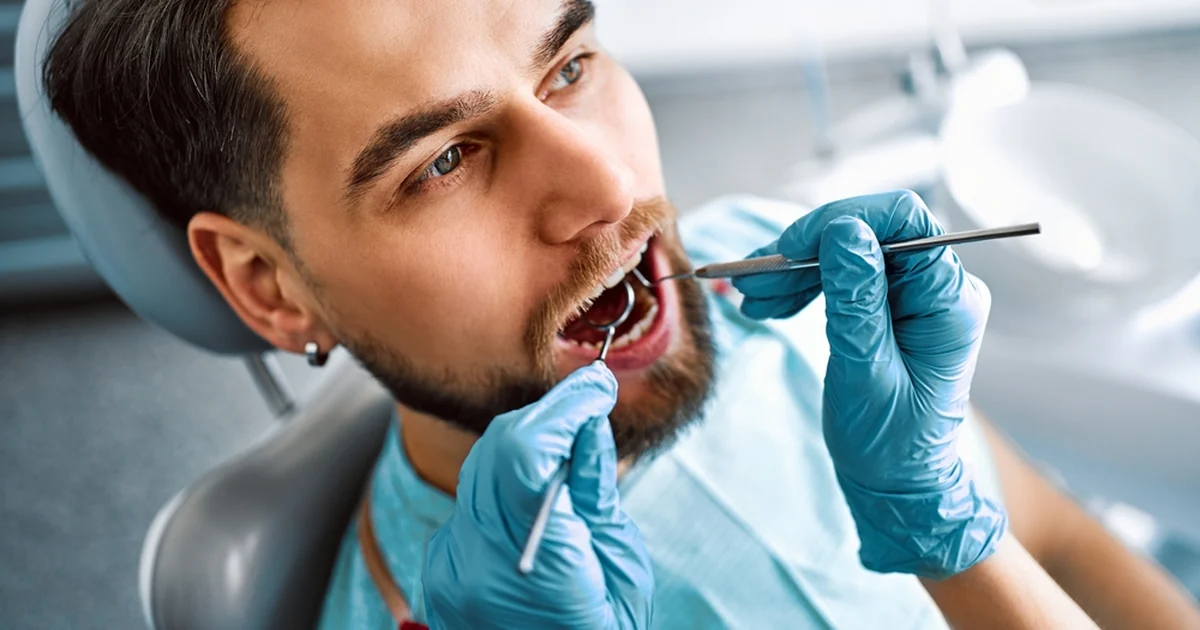
At the appointment we examine your teeth, gums and soft tissues, measure your gum health, take X-rays where indicated and look for food traps and failing restorations. Treatment then targets whatever we find: a professional check-up and clean, periodontal treatment, restoring a broken tooth or managing an infection.
If your mouth is healthy and the cause appears to lie elsewhere, we will say so and suggest seeing your GP or an ENT specialist.
What to Expect From Treatment
Because bad breath is a symptom rather than a diagnosis, treatment follows whatever we find. Where the cause is plaque and tartar, a thorough clean and a change in home technique often produce a noticeable difference within a week or two.
Where gum disease is involved, improvement takes longer, because the deeper pockets need treating and the tissues need time to heal. We will usually review your gums several weeks after treatment to check how they have responded.
Where a food trap, broken filling or failing crown is responsible, restoring the tooth removes the reservoir where debris collects, and the odour typically resolves quickly.
If dry mouth is the underlying issue, we can suggest saliva substitutes, high-fluoride toothpaste to offset the increased decay risk, and practical changes such as sipping water through the day. Where a medication is the likely cause, your prescribing doctor may be able to review it.
Talk to Us in Confidence
Bad breath is a common concern, and there is nothing embarrassing about raising it. Our team will assess the likely cause and explain what will help. Call Precision Dental on (07) 3852 1160 or book online.