Children's Week, held across Australia each October, celebrates children's right to grow up healthy and well supported. Dental health is a modest part of that picture, but it is one where small, early habits make a disproportionate difference.
Tooth decay remains one of the most common chronic conditions among Australian children, and it is also one of the most preventable. Here is what matters most, by age.
Before the First Birthday
Start wiping your baby's gums with a clean, damp cloth after feeds, well before any teeth appear. It establishes the habit of having the mouth cared for, which makes brushing far easier later.
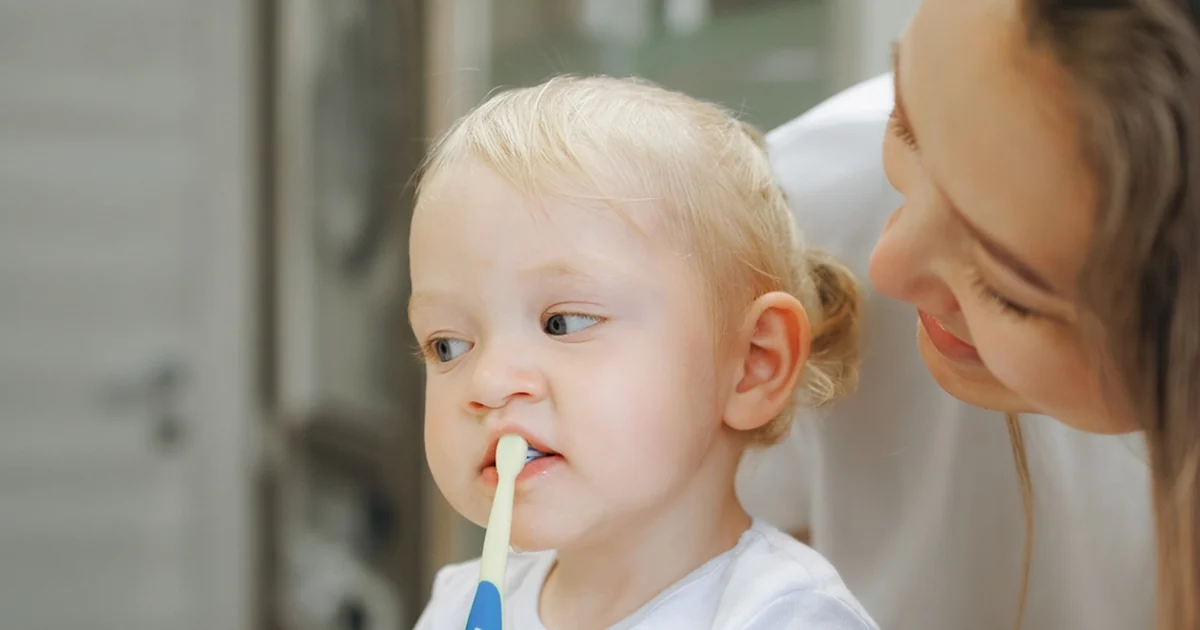
When the first tooth comes through, usually around six months, begin brushing twice daily with a small soft brush and water.
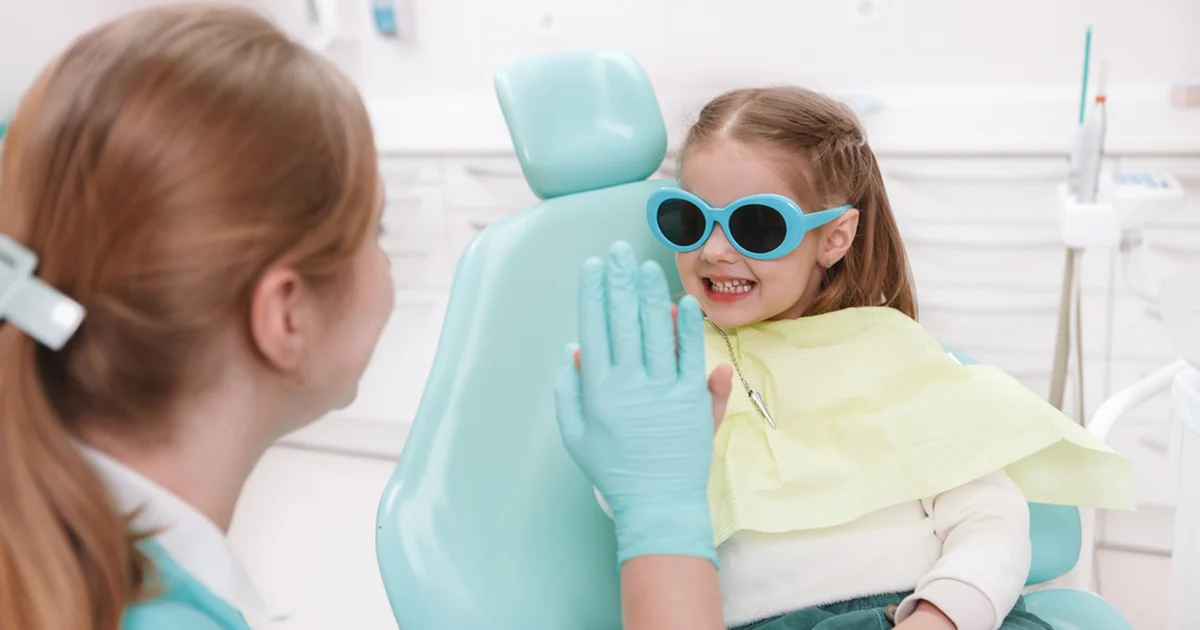
We recommend a first dental visit around the first birthday, or when the first teeth appear. These visits are short and friendly, largely about familiarity, and they let us spot early concerns and give advice tailored to your child.
Toddlers and Preschoolers
This is the age where most early childhood decay begins, and the causes are consistent:
- Bottles of milk or juice at bedtime, which leave sugar pooling around the teeth overnight
- Frequent snacking and sipping, since each exposure restarts an acid cycle lasting 20 to 40 minutes
- Juice and cordial as everyday drinks rather than water
From 18 months, use a pea-sized amount of low-fluoride children's toothpaste, and encourage spitting rather than rinsing. Start cleaning between the teeth as soon as two teeth touch, since a brush cannot reach those surfaces.
Resistance is normal at this age. Brushing at the same times each day, letting them choose the brush, taking turns and brushing your own teeth alongside them all help more than negotiation does.
School Age
Children do not have the coordination to brush effectively alone until around eight. Let them start, then finish the job properly yourself.
Around six, the first adult molars arrive at the back, often without any baby tooth falling out first, so they are easy to miss. They have deep grooves and are among the most decay-prone teeth in the mouth. Fissure sealants, thin protective coatings placed into those grooves, are worth asking about.
This is also when sport begins in earnest, and custom mouthguards protect against injuries that can have consequences lasting decades. A guard made from a scan of your child's teeth fits well enough to actually be worn, which boil-and-bite versions often are not.
Teenagers
Independence brings new risks: energy drinks, soft drinks, snacking patterns, orthodontic treatment and, for some, piercings or vaping. Teenagers respond better to being spoken with directly than being lectured, which is how we approach these appointments.
Habits Worth Building Now
A short list covers most of what matters through childhood.
Brush twice daily with fluoride toothpaste appropriate for their age, and supervise until around eight. Clean between teeth once two teeth touch. Make water the default drink and keep juice to mealtimes. Reduce the number of snacking occasions rather than policing portion sizes. Avoid food and drink other than water after the evening brush.
None of these require perfection. Consistency over years matters far more than any individual day.
What to Watch For at Home
Look at your child's teeth in good light every week or so. Early decay often appears as chalky white lines or spots near the gum line, progressing to brown marks and holes. Other signs include sensitivity, avoiding certain foods or chewing on one side only.
Caught early, decay may need only preventive treatment or a small white filling. Left alone, it can cause pain, infection and the loss of a baby tooth well before its time, which affects the space available for the adult tooth beneath.
Injuries
Falls and sporting knocks are part of childhood. The key distinction is that a knocked-out adult tooth needs replanting within about 30 minutes, while a knocked-out baby tooth should never be put back in, as this can damage the developing adult tooth. Our page on children's dental emergencies covers what to do.
When Things Go Wrong
Two situations are worth knowing in advance, because both are time-sensitive.
A knocked-out adult tooth has the best chance of survival if it is replanted within about 30 minutes. Hold it by the crown, rinse briefly in milk if dirty, place it back in the socket if you can, or keep it in milk and call us immediately.
A severe toothache with facial swelling needs same-day attention. If swelling affects breathing or swallowing, call 000 or go to your nearest hospital emergency department rather than waiting for a dental appointment.
Keeping our number saved in your phone takes a moment and saves searching at the worst possible time.
Keeping Visits Positive
How a visit is framed matters more than what happens in the chair. Avoid words such as needle, drill or hurt, even reassuringly, and never use the dentist as a threat. Say the dentist is going to count their teeth and check they are strong.
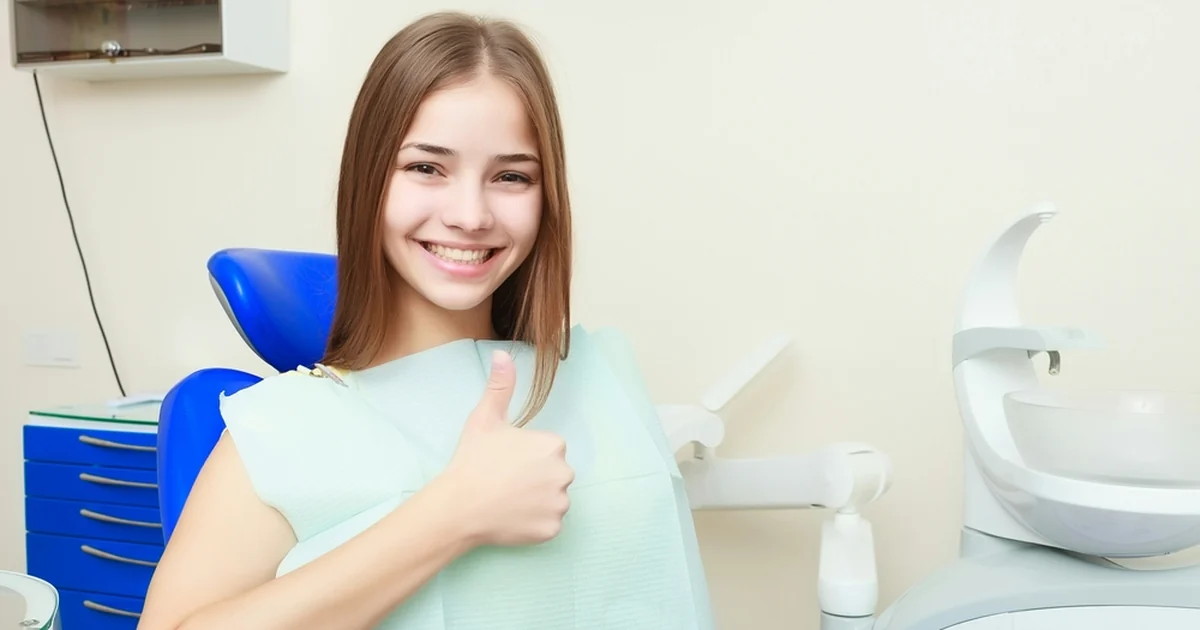
Our children's dentistry appointments are deliberately relaxed, with time for a child to explore the chair before anything begins. Parents are welcome to stay throughout.
Help With Costs
Eligible children and teenagers may be able to access benefits towards basic dental services under the Child Dental Benefits Schedule, including examinations, X-rays, cleans and fillings. Our team can check your child's eligibility before their appointment.
Book Your Child's Check-Up
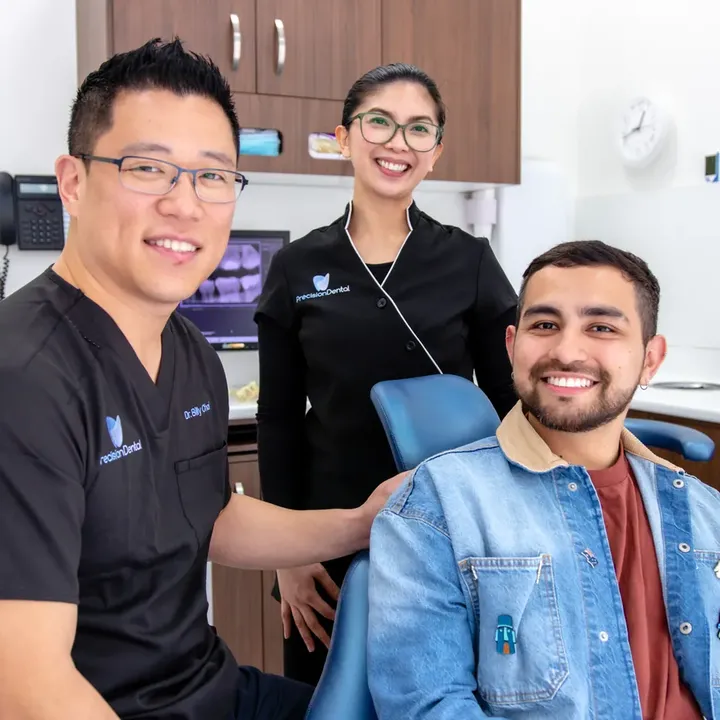
Children's Week is as good a prompt as any. Whether it is a first visit or a routine check-up and clean, we would be glad to see them. Call Precision Dental on (07) 3852 1160 or book online.