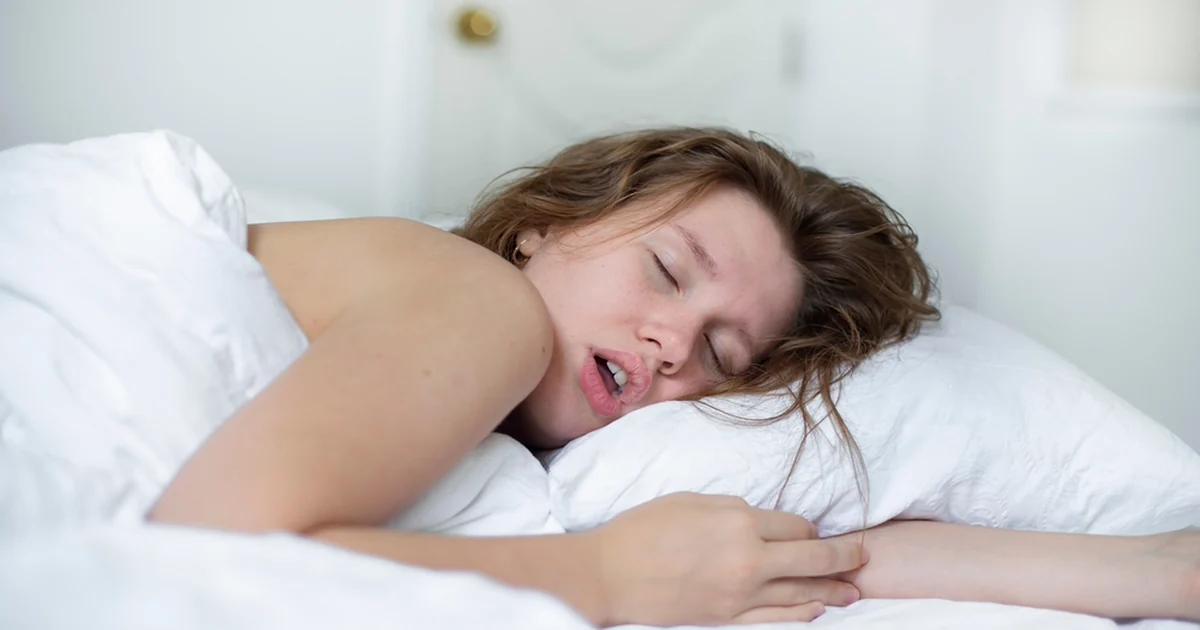
A dentist is not a sleep physician, and it is important to be clear about that from the start. What a dentist does have is a regular, close look inside your mouth, which means some signs of sleep-related problems are often noticed in the dental chair before they are noticed anywhere else.
Here is what we look for, what we can help with directly, and when the right step is a referral.
Signs We Notice
Wear From Grinding
Flattened edges, chipped enamel, cracks, worn restorations and sensitivity all point to grinding and clenching. Many people have no idea they do it.
Scalloped Tongue and Cheek Ridges
Indentations along the sides of the tongue and a white line along the inside of the cheeks suggest sustained pressure from clenching or tongue posture.
A Narrow Palate or Crowded Arches
In children especially, a narrow upper arch and mouth breathing can be associated with restricted airflow during sleep.
Dry Mouth
Waking with a dry mouth most mornings often indicates mouth breathing overnight, which also raises decay risk and contributes to gum inflammation.
Jaw Joint Symptoms
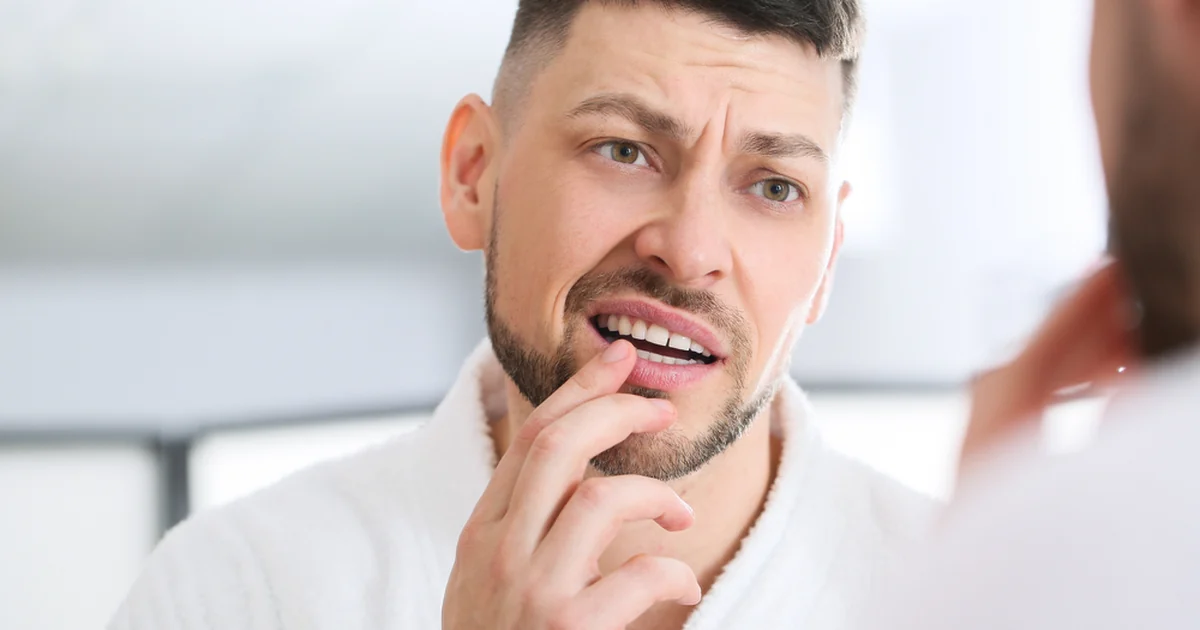
Morning jaw ache, tightness in the muscles at the angle of the jaw, headaches around the temples and clicking are all common in people who grind.
The Link Between Grinding and Breathing
Grinding and sleep-disordered breathing often occur together. One proposed explanation is that jaw movement during sleep can be associated with efforts to reopen the airway, although the relationship is complex and not fully settled.
What matters practically is this: if you grind heavily, snore loudly, wake unrefreshed or feel sleepy during the day, those symptoms deserve medical investigation rather than a dental appliance alone.
What We Can Do Directly
Protect Your Teeth
A custom night splint does not stop the brain from grinding, but it absorbs the forces that would otherwise land on your enamel and restorations. For anyone with dental crowns, veneers or implants, it is a sensible investment in protecting that work.
Treat the Damage
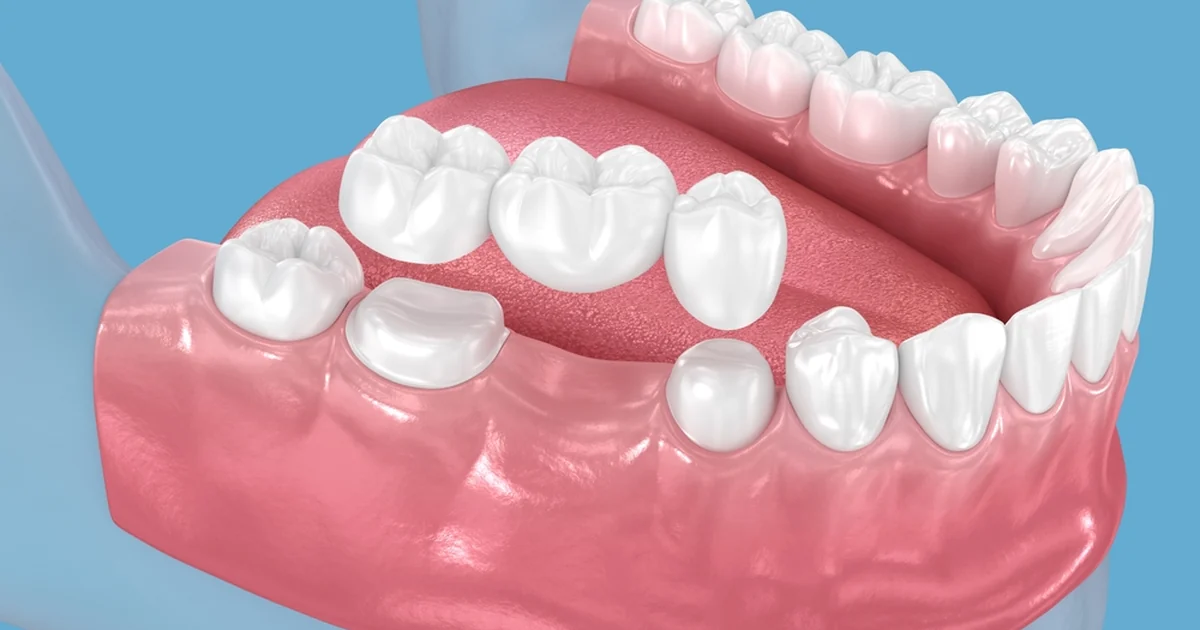
Where grinding has already worn or cracked teeth, we can restore them, and we will usually recommend a splint alongside so the new work is protected.
Manage the Consequences of Dry Mouth
Mouth breathing overnight increases decay and gum disease risk. We may recommend high-fluoride toothpaste, more frequent check-up and clean visits, and treatment for any gum and periodontal treatment needs that have developed.
Notice Patterns in Children
In children's dentistry we look at jaw development, mouth breathing and tonsil size as part of a general assessment, and we will suggest you speak with your GP if something warrants investigation.
Where Medical Assessment Comes First
Obstructive sleep apnoea is a medical condition with real health consequences, and it is diagnosed through a sleep study arranged by a doctor, not in a dental practice.
Speak with your GP if you:
- Snore loudly or have been told you stop breathing during sleep
- Wake gasping or choking
- Feel sleepy during the day, particularly while driving
- Wake with headaches most mornings
- Have high blood pressure alongside any of the above
Where a diagnosis of sleep apnoea or significant snoring exists, dentists can be part of the treatment team by providing a mandibular advancement splint, an appliance that holds the lower jaw slightly forward overnight. This is done on the basis of a medical diagnosis and in consultation with your doctor or sleep physician, and it is not suitable for everyone. CPAP therapy remains the standard treatment for moderate to severe sleep apnoea.
Mandibular advancement appliances can also cause bite changes and jaw discomfort over time, so they require monitoring.
What a Dentist Cannot Do
We cannot diagnose sleep apnoea, and a night splint for grinding is not a treatment for it. In fact, a standard splint can worsen breathing in some people with untreated sleep apnoea, which is one reason we ask about snoring and daytime sleepiness before making one.
What a Night Splint Appointment Involves
If a splint is appropriate, the process is straightforward. We examine your teeth, bite and jaw muscles, discuss your symptoms and ask about snoring and daytime sleepiness. A digital scan or impression records your teeth, and the splint is made to fit closely.
At the fitting we check that it seats comfortably and that your bite meets evenly on it, which is the part that makes a custom splint different from an over-the-counter guard. Minor adjustments are normal in the first few weeks.
Bring it to your regular appointments so we can check its condition and the wear pattern on it, which tells us a good deal about what is happening overnight.
Mention It at Your Next Visit
If you wake with a sore jaw, a dry mouth or headaches, tell us. We will examine what we can see and tell you honestly whether the next step is dental or medical. Call Precision Dental on (07) 3852 1160 or book online.