When a cavity needs restoring, the material used is a clinical decision as much as a preference. Position in the mouth, the size of the cavity, how heavily you bite and whether the area can be kept dry all narrow the options before appearance is even considered.
Here is what each material does well, and what actually drives the choice between a tooth-coloured white filling and the alternatives.
Composite Resin
Tooth-coloured composite is the material used for most fillings today. It bonds to the tooth, which allows a more conservative preparation, because the cavity does not need to be shaped to hold the filling mechanically.
Suits: small to moderate cavities anywhere in the mouth, chipped front teeth, worn areas at the gum line, and anyone who wants a tooth-coloured repair.
Considerations: it needs a dry field during placement, so it is less suitable where moisture cannot be controlled. It can stain at the margins over the years, particularly with coffee, tea and red wine, and very large composite fillings in heavy-bite areas may not be the most durable option.
Glass Ionomer
Glass ionomer bonds chemically to tooth structure and releases fluoride over time. It is less wear-resistant than composite and less aesthetic, so it is not usually a long-term choice for visible or load-bearing surfaces.
Suits: baby teeth in children's dentistry, fillings near the gum line, areas where moisture control is difficult, and temporary or interim restorations.
Ceramic Inlays and Onlays
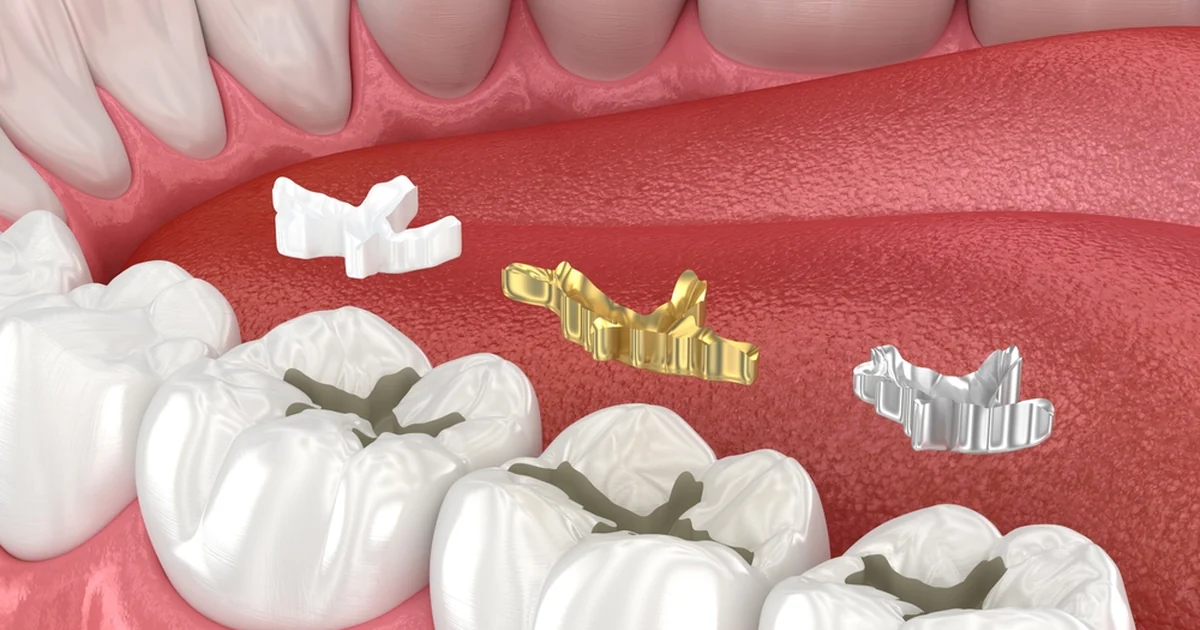
Where a cavity is too large for a straightforward filling but the tooth does not need a full crown, a custom-made ceramic inlay or onlay restores the chewing surface precisely. These are made digitally and, with CEREC same-day crowns technology, can often be milled and fitted in one appointment.
Suits: large cavities in back teeth, replacing failing large fillings, and situations where strength and appearance both matter.
Considerations: higher cost than a direct filling, and more tooth preparation than a small composite, though less than a full crown.
Gold
Gold restorations perform exceptionally well mechanically. They wear at a similar rate to natural enamel, are kind to the opposing teeth and can be made very thin, meaning less tooth needs removing.
Suits: back molars in patients who grind heavily and are not concerned about colour.
Considerations: appearance, cost, and the fact that fewer laboratories and patients choose it now.
Amalgam
Amalgam has a long clinical track record and is durable in large load-bearing cavities. Its use in Australia has declined substantially, partly for environmental reasons under the global phase-down and partly because adhesive alternatives preserve more tooth.
Existing amalgam fillings in good condition do not need replacing for health reasons. They are replaced when they fracture, wear, leak or have decay beneath them, or if you would prefer a tooth-coloured restoration and understand what replacement involves.
What Actually Determines the Choice
How Much Tooth Is Left
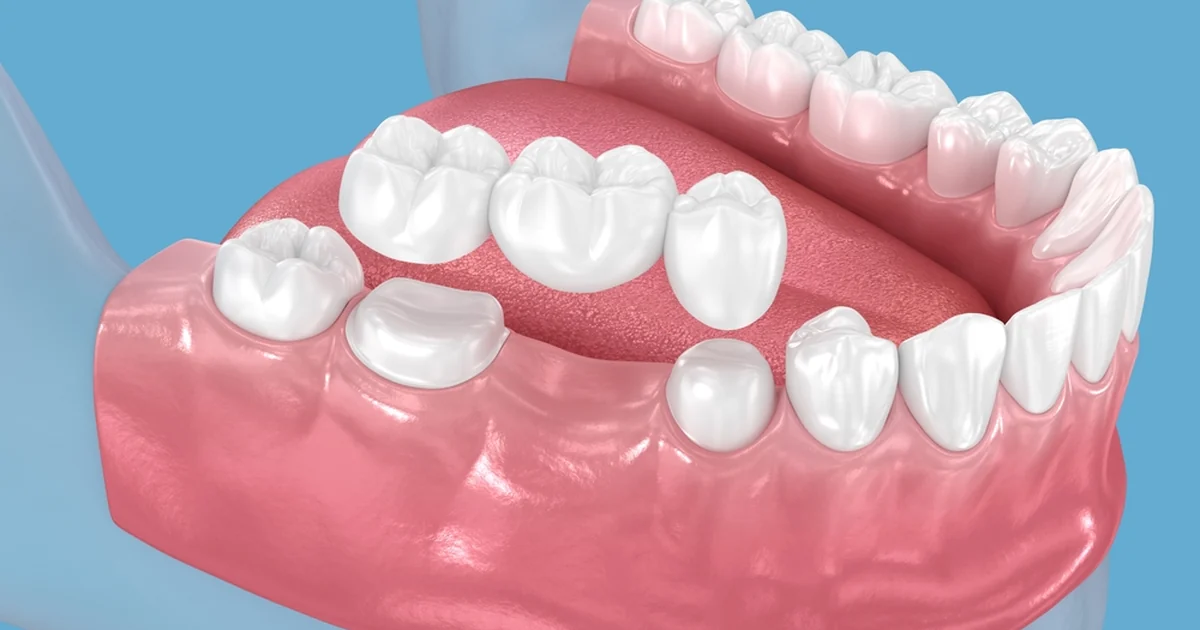
This is the biggest factor. Small cavity, direct filling. Large cavity with thin remaining walls, an onlay or dental crowns and bridges may be needed to prevent the tooth splitting.
Where the Tooth Sits
Front teeth are judged on appearance and take lighter forces. Molars take the heaviest load and are rarely seen.
Your Bite and Grinding Habits
Heavy grinding and clenching wears and chips restorations faster. It may push the choice towards a stronger material, and it usually means a night splint should be part of the plan.
Moisture Control
Bonded materials need a dry field. Fillings at or below the gum line are sometimes better served by glass ionomer for that reason.
Your Decay Risk
A patient with a dry mouth and frequent new decay may benefit from the fluoride release of glass ionomer in certain situations.
Cost
Direct fillings cost less than laboratory or milled restorations. We provide a written quote and explain the trade-off, so cost is part of an informed decision rather than a surprise.
What We Will Tell You
At your check-up and clean, if a filling is recommended, we will show you the tooth on screen or on an X-ray, explain the size of the problem, outline which materials are suitable and why, and give you the costs. If a smaller option is reasonable, you will hear that too.
How Long Each Option Tends to Last
People reasonably want a number, and the honest answer is that lifespan varies more between patients than between materials.
A small composite in a low-stress area, kept clean, in someone who does not grind, can perform well for many years. A large composite rebuilding a chewing surface in a heavy grinder may need attention far sooner. The same is true of every material listed above.
What consistently shortens the life of any filling is decay returning at the margin, which comes down to daily cleaning between the teeth, and excessive force, which comes down to grinding. Those two factors influence longevity more than the choice between one material and another.
Book an Appointment
If you have a cavity, a worn filling or a tooth that has started to feel sensitive, we are happy to assess it. Call Precision Dental on (07) 3852 1160 or book online.