For a long time, having a cavity treated meant accepting a visible silver repair. Composite resin changed that. A modern white filling restores the tooth structurally and, when it is done well, is difficult to pick out from the natural tooth around it.
That combination matters more than it sounds, because it removes one of the reasons people hesitated to have front teeth treated at all.
What Composite Actually Is
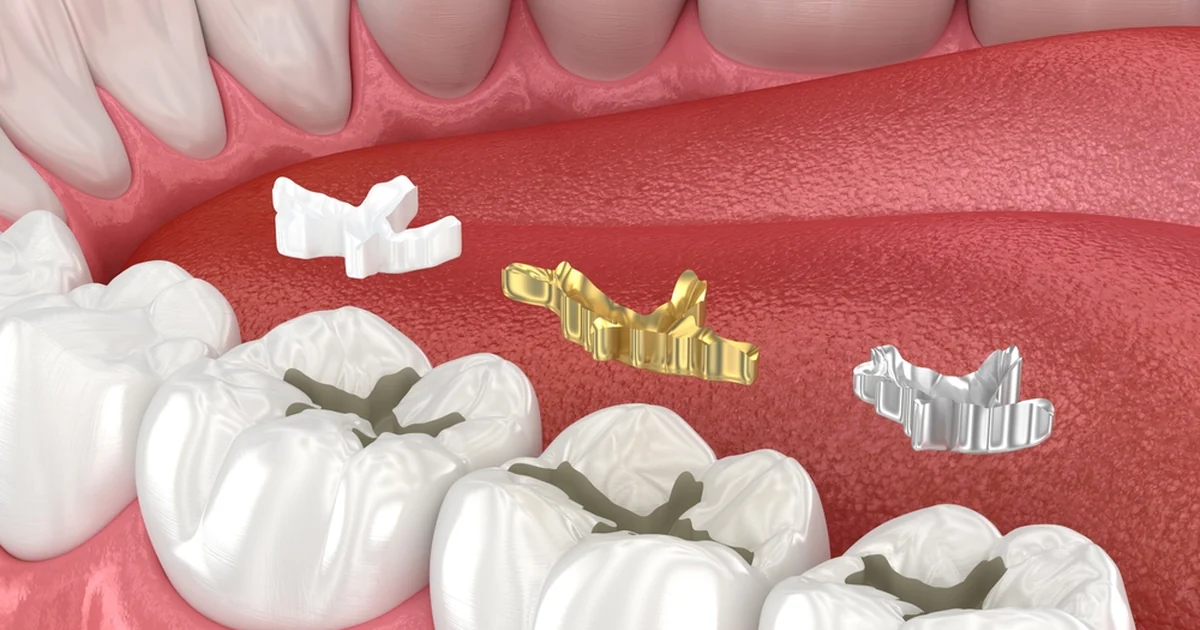
Composite resin is a mixture of a resin matrix and fine glass or ceramic particles. It comes in a range of shades and degrees of translucency, and it is placed in layers, each set with a curing light, then shaped and polished.
Crucially, it bonds to the tooth rather than being held in place mechanically. That allows a more conservative preparation, because the cavity does not need to be shaped to lock the filling in. Less healthy tooth is removed than with older materials.
Where White Fillings Are Used
- Repairing decay, from small cavities to moderate ones
- Rebuilding chipped or worn edges on front teeth
- Closing small gaps between teeth
- Restoring worn areas near the gum line, often caused by heavy brushing or clenching
- Replacing old fillings that are worn, cracked or leaking
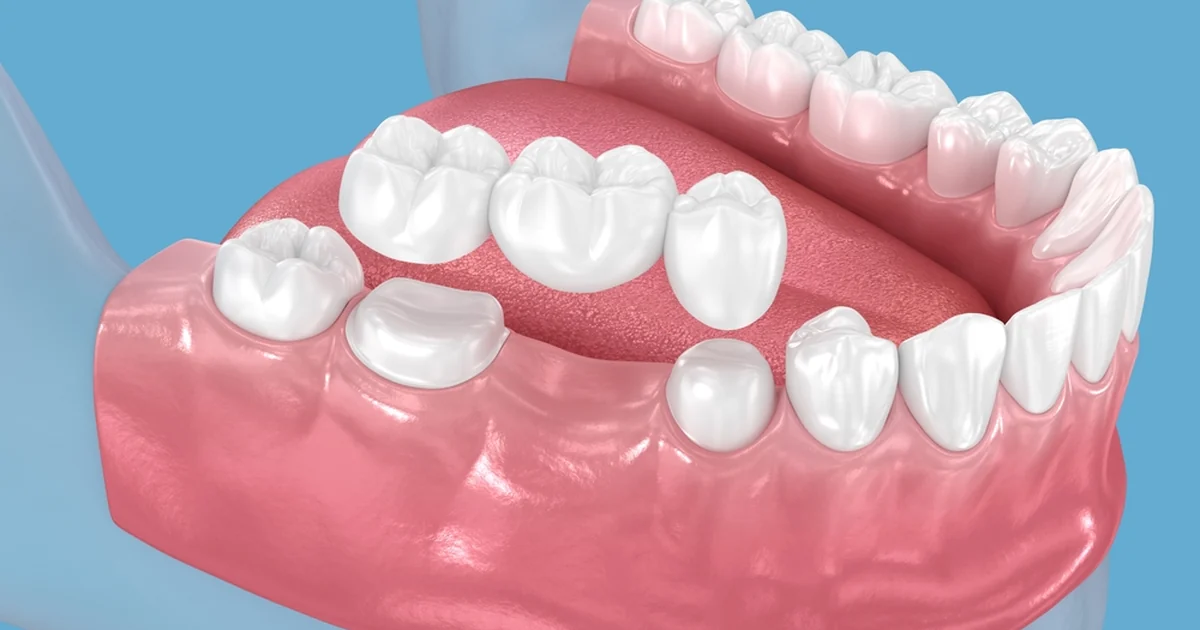
For larger cavities where much of the tooth is missing, composite may not provide enough support, and an onlay or a crown may be recommended instead. With CEREC same-day crowns, those can often be made and fitted in one visit.
Shade Matching
Getting the colour right is a genuine skill and depends on several things.
We select a shade before the tooth is isolated and dries out, because teeth lighten as they dehydrate and a shade chosen mid-procedure can look too pale afterwards. For front teeth, we may layer different shades and translucencies to mimic the way light passes through enamel at the edge of a tooth.
One important sequencing point: whitening does not change the colour of composite. If you plan teeth whitening, do it first, wait a couple of weeks for the shade to stabilise, and then have front fillings matched to your new colour.
Replacing Older Fillings
Amalgam fillings that are intact and causing no problems do not need replacing simply because they are visible, and unnecessary replacement removes more tooth structure. We recommend replacement when there is a clinical reason: the filling is worn or fractured, the margins are leaking, there is decay underneath, or the remaining tooth structure is cracking around it.
If appearance is your reason for wanting them replaced, that is a legitimate conversation to have, and we will explain what it involves and what is lost in the process so the decision is an informed one.
What Happens at the Appointment
We examine the tooth and take X-rays where needed, then explain what we have found and quote for the work. On the day, local anaesthetic is used, decay and old material are removed, and the tooth is cleaned and prepared for bonding. The composite is placed in layers, set with a light, then shaped, the bite checked and the surface polished.
Most fillings are completed in a single appointment. Wait until the numbness has worn off before eating, and let us know if the bite feels high once it has.
What to Expect Afterwards
Mild sensitivity to cold for a few days to a couple of weeks is common, particularly after a deeper filling, and usually settles. Contact us if pain increases rather than settles, lingers after hot or cold, or occurs on releasing your bite.
Making Them Last
- Clean between your teeth daily, since recurrent decay at the margin is the most common reason fillings are replaced
- Use a soft brush and a non-abrasive toothpaste
- Limit staining foods and drinks, and rinse with water afterwards
- Wear a night splint if you grind, as grinding and clenching chips composite faster than anything else
- Keep up your regular check-up and clean so margins can be monitored
When It Is Cosmetic Rather Than Restorative
The same material used for fillings is used for composite resin veneers, which reshape the front of a tooth rather than repair decay. The line between the two blurs when a front tooth needs both, and in those cases we plan the restoration with appearance and structure in mind together.
Fillings on Front Teeth
Front teeth deserve a particular mention, because the demands are different. A filling on a molar has to withstand heavy chewing forces and is rarely seen. A filling on an upper front tooth is seen every time you speak, and enamel there is thin and translucent, so light passes through it differently at the edge.
Matching that appearance takes layering. A more opaque shade rebuilds the dentine beneath, and a translucent enamel shade goes over the top, so the repair behaves like the tooth around it rather than sitting flat against it.
This takes longer than a simple filling, and it is worth allowing the time rather than rushing it. We will usually check the result with you in a mirror, in natural light where possible, before polishing.
Book an Appointment
If you have a cavity, an old filling you dislike or a chipped front tooth, we can talk through the options. Call Precision Dental on (07) 3852 1160 or book online.
Prefer to watch? Early Signs of Tooth Decay is a short video from our team.