
You take a bite of something and a sharp jolt of pain shoots through a tooth, then it is gone just as quickly. There is no constant ache, the tooth looks perfectly normal, and you cannot always tell exactly which one it is. If that sounds familiar, you may be dealing with a cracked tooth.
Cracked teeth are surprisingly common and often frustratingly hard to pin down, which is why the symptoms are sometimes ignored until the problem grows. Here is how to recognise the signs of a cracked tooth, why it is worth acting on rather than waiting, and how it is diagnosed and treated.
What a Cracked Tooth Actually Is
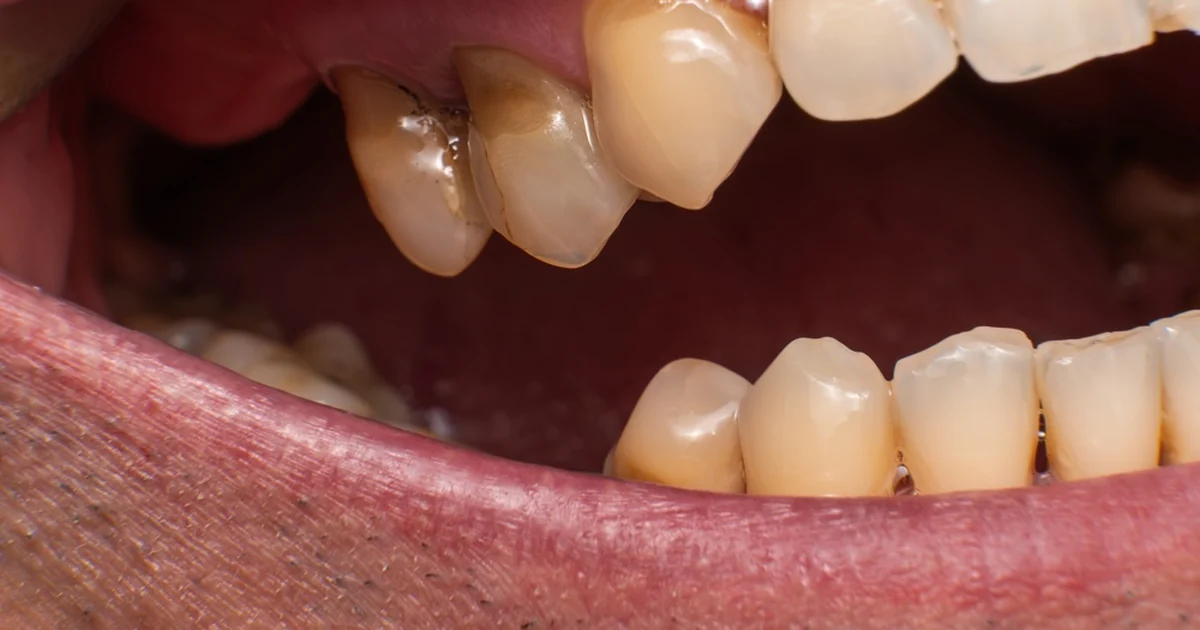
Cracks in teeth range enormously, from tiny surface lines in the enamel that are harmless, right through to deeper cracks that reach the sensitive inner parts of the tooth. The ones that cause trouble are usually somewhere in between, and can be small enough to be very difficult to see.
When a crack is too fine to show up clearly but is causing symptoms, it is sometimes described as cracked tooth syndrome. The crack may open slightly when you bite and close again when you release, which is what produces that characteristic flash of pain.
Teeth can crack for all sorts of reasons: biting down on something hard, an accidental knock, grinding or clenching, a large old filling that has weakened the tooth over time, or simply years of wear. Sometimes there is an obvious moment; often there is not.
The Tell-Tale Signs
The classic sign of a cracked tooth is a sharp pain when you bite down on it, and often, tellingly, a jolt of pain when you release the bite rather than during it. This on-and-off pain related to chewing is one of the most recognisable clues.
Other signs include sensitivity to cold, hot or sweet things, discomfort that comes and goes rather than a constant toothache, and pain that can be hard to localise. Many people find they genuinely cannot tell which tooth is responsible, which is part of what makes cracks tricky.
Because the symptoms can be intermittent and vague, it is easy to keep putting off doing anything about them, especially when the tooth looks and feels fine most of the time. But those come-and-go symptoms are worth taking seriously as an early warning.
Why You Shouldn’t Ignore It
A crack will not heal on its own, and left alone it tends to worsen over time. As it deepens, it can allow bacteria to reach the inner parts of the tooth, potentially leading to decay, sensitivity, infection, or the crack extending further into the tooth.
If a crack progresses far enough, the tooth can eventually split, which can make it much harder, or in some cases impossible, to save. What might have been a straightforward fix when caught early can become a more involved problem when left.
This is why acting on early biting-pain symptoms matters. Catching a crack while it is still limited may improve the available treatment options and the possibility of preserving the tooth.
How It’s Diagnosed and Treated
Diagnosing a cracked tooth can take a bit of detective work, because fine cracks do not always show up on an X-ray. Your dentist may examine the tooth closely, sometimes using magnification, check how it responds to biting on something, and use other tests to determine which tooth is involved and how far the crack extends.
Treatment depends on where the crack is and how deep it goes. A small crack might be managed with bonding, while a tooth that needs more support may be protected with a crown, which helps hold it together and spread the force of biting. If a crack has reached the inner pulp, root canal treatment may be needed. In more severe cases where the tooth cannot be saved, removal may be the suitable option. You can read more about our general and restorative treatments on the website.
The right treatment is a clinical judgement based on the individual tooth. An assessment helps determine the extent of the crack and the most appropriate way to manage it.
What to Do, and Preventing Cracks
If you notice sharp pain when biting, it is worth having it assessed rather than waiting for it to become constant. In the meantime, avoid chewing on that side and steer clear of very hard or crunchy foods that aggravate it.
You can also reduce the risk of cracks by avoiding using your teeth as tools or chewing hard objects such as ice and pens. If you grind or clench your teeth, mention it to your dentist so they can assess whether a night guard or another option may be appropriate.
Keeping your teeth and existing fillings in good order is also important, since heavily filled or weakened teeth may be more prone to cracking. Regular dental examinations allow potentially vulnerable teeth and restorations to be monitored.
The Takeaway
A cracked tooth may cause sharp, intermittent pain when you bite down or release, sometimes together with sensitivity to cold, heat or sweet foods. The affected tooth may look normal and can be difficult to identify without a dental assessment.
Fine cracks do not repair themselves, and treatment depends on the crack’s location, depth and effect on the tooth. Possible options include bonding, a crown, root canal treatment or, where the tooth cannot be preserved, removal.
If you have noticed sharp pain when biting or suspect a cracked tooth, Precision Dental in Fortitude Valley can assess the cause and explain the treatment options appropriate for your situation. Book an appointment to have it checked.