
Viking-age skeletal remains have produced some of the more surprising findings in dental archaeology, including deliberately filed teeth and evidence of dental treatment. The findings are genuinely interesting, and they are also frequently overstated, so it is worth separating what the evidence supports from what makes a better story.
Filed Teeth
Horizontal grooves filed into the front teeth have been found in a number of Viking-age remains, predominantly in males, at sites in Sweden and elsewhere in Scandinavia. The grooves are deliberate and were cut with considerable precision into the enamel of the upper front teeth.
What they meant is unknown. Suggestions include a mark of status, group identity, achievement or trade affiliation. Similar practices of dental modification appear independently in many cultures across history, so the impulse is not unique to the Vikings.
The popular link to berserkers, the warriors described in later sagas as fighting in a frenzied state, is speculation rather than evidence. The written sources describing berserkers were composed well after the period, and nothing connects them specifically to the individuals with filed teeth.
Evidence of Dental Treatment
A study of medieval remains from Varnhem in Sweden found evidence consistent with attempts at dental treatment, including teeth that appeared to have been filed to relieve problems and signs of intervention in teeth affected by infection.
This fits a broader picture. People in the past experienced toothache exactly as we do, and in the absence of modern options they did what they could: picking, filing, extraction and a long list of traditional remedies.
Toothpick Grooves
Worn grooves between the teeth, consistent with the repeated use of something firm and thin, appear in remains from many periods, including Viking-age sites. These are the archaeological traces of the same impulse that leads people to reach for a toothpick after a meal.
It is a useful reminder that cleaning between the teeth is an ancient habit, even if the tools were cruder and the technique rather less gentle.
Decay Varied, but Wear Was Severe
Here is where the picture becomes genuinely instructive. Decay rates differed between populations. Remains from early Iceland show very little decay, while the Varnhem study found cavities, abscesses and tooth loss were common, likely reflecting a diet richer in grain and other carbohydrates. What none of them had was refined sugar. Honey existed but was scarce, which is a large part of why decay looked so different from today's.
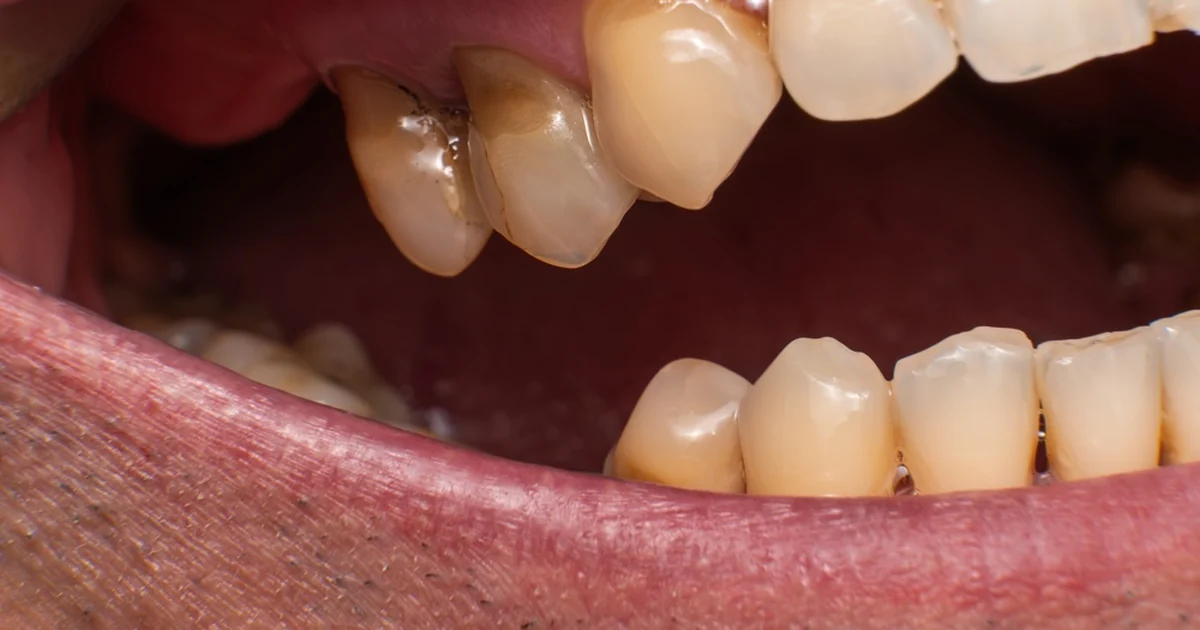
What those populations did have was severe wear. Stone-ground flour contained grit, which abraded enamel steadily over a lifetime. Diets were tough and required heavy chewing. Teeth in older individuals are frequently worn flat, sometimes into the dentine, which would have caused sensitivity and, where the pulp was exposed, infection.
Gum disease was also common, since daily cleaning as we understand it did not exist.
Treatments of the Past
Historical remedies for toothache make for uncomfortable reading. Across various cultures and periods, approaches included packing cavities with resins or metals, cauterising the pulp, applying herbal poultices, and extraction performed by barbers, blacksmiths or travelling tooth-pullers without anaesthetic.
Some had a logic to them. Clove, used for centuries, contains eugenol, which has genuine local anaesthetic properties and is still used in some dental materials today.
Others were simply endurance. Extraction remained the primary treatment for a painful tooth well into the modern era, which is why older skeletal remains so often show missing teeth and healed sockets.
What This Says About Our Own Mouths
Two points stand out.
First, decay is largely a dietary condition. The arrival of cheap refined sugar did more to shape modern dental disease than any other single factor, which is why advice about frequency of sugar intake matters as much as advice about brushing.
Second, wear remains a live issue. We do not grind our teeth on grit any more, but we do grind them against each other, and acidic drinks now do what stone-ground flour once did. The visible consequences in a modern mouth, flattened edges, thinned enamel and sensitivity, are not so different from what archaeologists find.
How We Know Any of This
Dental archaeology is a surprisingly rich field, because teeth survive better than almost any other part of the body. Enamel is the hardest tissue we produce, and it preserves for thousands of years.
Teeth also record their own history. Wear patterns indicate diet and habits. Growth lines in enamel record periods of illness or malnutrition in childhood. Isotope analysis can suggest where someone grew up and what they ate. Calculus, the hardened plaque we remove at a clean, traps food particles, bacterial DNA and even fragments of plant material.
It is a useful thought at your next appointment: the deposit being scaled off your teeth is the same material that tells archaeologists what people ate a thousand years ago.
The Advantage We Have
What we have that they did not is the ability to intervene early. A worn or decayed tooth can be restored with a white filling, infection treated rather than endured, gum disease managed through gum and periodontal treatment, and tooth extraction performed with anaesthetic rather than resolve.
Most of all, we can find problems before they cause a toothache, which was simply not an option for anyone in the ninth century.
Book a Check-Up
Modern problems, modern solutions. Call Precision Dental on (07) 3852 1160 or book online for a check-up and clean.