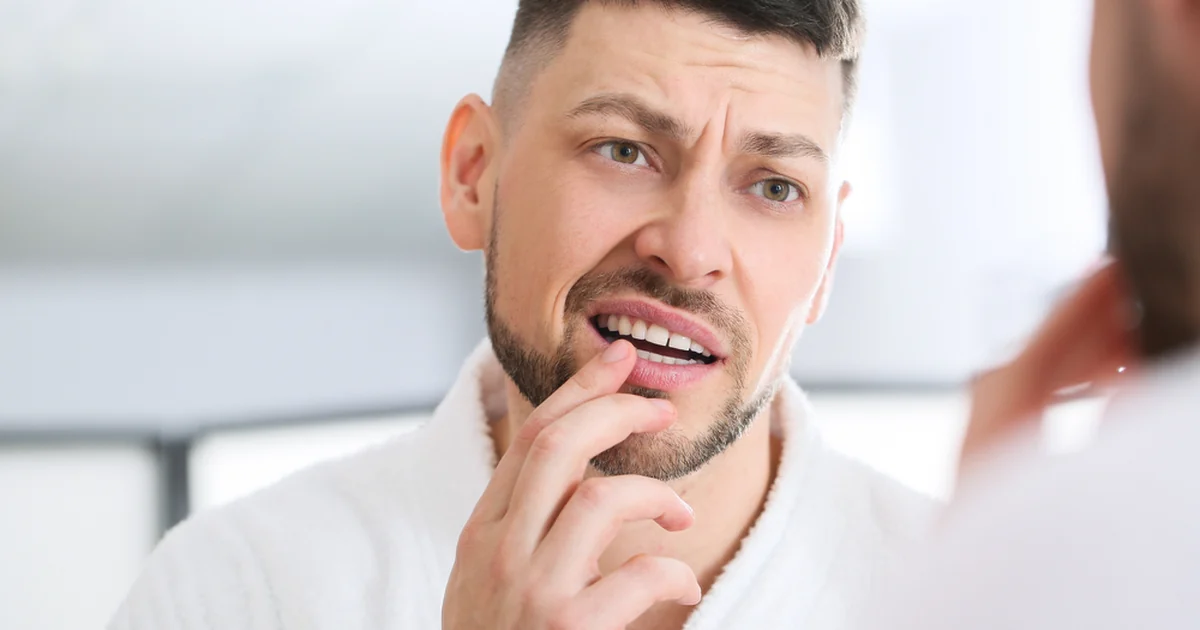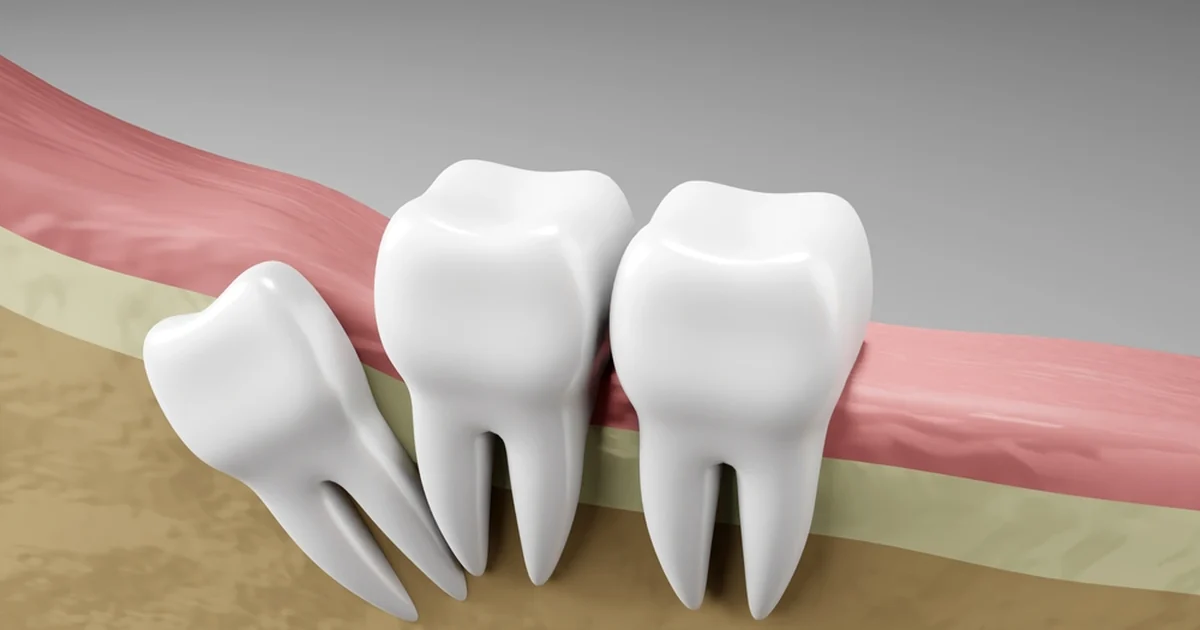
A wobbly tooth is exciting at six and alarming at thirty-six. Adult teeth are not meant to move, so if one does, something has changed in the structures holding it: the gum, the ligament that cushions the root, or the bone surrounding it.
The honest answer to whether it can be saved is that it depends on the cause and how quickly it is assessed. Many loose teeth can be stabilised. Some cannot. What almost always helps is seeing a dentist promptly rather than waiting to see whether it settles.
Why an Adult Tooth Becomes Loose
An Injury
A knock during contact sport, a fall, a car accident or another blow to the face can stretch or tear the periodontal ligament and sometimes fracture the surrounding bone. The tooth may be loosened in place, pushed out of position or partly displaced. This is urgent. A tooth that has been completely knocked out has the best outlook when it is replanted within about 30 minutes, and a partly displaced tooth also needs prompt repositioning.
Advanced Gum Disease
The most common cause in adults is periodontitis. As inflammation extends below the gum line, the bone supporting the tooth is gradually lost. Because the process is usually painless, looseness can be the first symptom people notice. Bleeding gums, receding gums, persistent bad breath and gaps opening between teeth often accompany it.
Infection
An abscess at the root tip or in the gum beside a tooth can destroy bone quickly. Swelling, throbbing pain, a bad taste or a pimple-like bump on the gum alongside looseness suggests infection.
Grinding and Bite Problems
Heavy grinding and clenching, or a bite where one tooth takes disproportionate force, can loosen a tooth over time. This is sometimes called occlusal trauma, and it can make an already weakened tooth worse. Stress is a common trigger, and many people grind or clench without realising it, either during sleep or while concentrating during the day.
Pregnancy and Hormonal Changes
Hormonal changes during pregnancy can make gums more reactive to plaque, and some women notice slight mobility that resolves afterwards. It should still be checked. A dental visit during pregnancy, or before it if you are planning one, is a good opportunity to get gum health in order and receive advice on caring for your teeth and gums through those months.
What We Do at the Appointment
We start by asking what happened and when, then examine the tooth, measure its mobility and check the gums around it. Digital X-rays show the bone level, the root, and any sign of infection or fracture.
What follows depends on what we find:
- After an injury, the tooth may be gently repositioned and splinted to the neighbouring teeth with a flexible splint for a few weeks while the ligament heals. Root canal therapy is often needed later, particularly for teeth with fully formed roots.
- With gum disease, treatment focuses on removing plaque and tartar from beneath the gum line and allowing the tissues to heal. Gum and periodontal treatment cannot rebuild lost bone, but stabilising the condition sometimes reduces mobility, and ongoing maintenance protects the remaining support. Where a specific pattern of bone loss is suitable, referral to a periodontist for regenerative surgery using bone grafts and membranes may be discussed.
- With infection, draining the abscess and treating its source through root canal therapy or removal of the tooth is the priority.
- With bite-related looseness, adjusting the bite and protecting the tooth with a night splint can reduce the load on it.
- Where splinting is appropriate, a loose tooth can sometimes be joined to its neighbours for longer term support.
Why Keeping Your Own Tooth Is Worth Considering
When gum disease has loosened a tooth, it can be tempting to remove it and move straight to an implant. Research suggests that natural teeth with moderate bone loss, once gum disease is treated and kept under regular maintenance, can be retained for many years. People with a history of periodontitis also face a higher risk of complications around implants, because the same bacteria can inflame the tissue and bone supporting them. That is why we assess carefully whether a tooth can reasonably be kept before recommending removal.
If a tooth is lost and the gap is left, chewing on that side can become less efficient, and neighbouring and opposing teeth can gradually drift or tilt into the space, changing how your bite fits together.
When a Tooth Cannot Be Saved
If most of the supporting bone has been lost, or the root is fractured vertically, keeping the tooth may not be realistic. That is disappointing to hear, and we will explain clearly why. We will also talk through replacement options, including dental implants, bridges and dentures, and the sequence involved, because gum health needs to be stable before replacement.
Removing a tooth that cannot be saved can also protect the bone and gum around it from further damage, which sometimes makes later treatment simpler.
What to Do Before Your Appointment
- Avoid wiggling the tooth with your tongue or fingers, however tempting
- Eat soft foods and chew on the other side
- Keep the area clean with gentle brushing and warm salt water rinses
- Use a cold compress on the outside of your face if there is swelling
- Call us straight away if the looseness followed an injury
If there is significant facial swelling affecting your breathing or swallowing, or uncontrolled bleeding, go to your nearest hospital emergency department or call 000.
Reducing the Risk
Most loose teeth in adults trace back to gum disease, which makes daily cleaning between your teeth and regular professional maintenance the single most effective prevention. Periodontitis cannot be cured, but it can be controlled, and with good home care and regular reviews further bone loss is often very slow or stops. Bleeding when you brush or floss is usually the earliest sign, so it is worth booking a check rather than brushing more gently around it.
Keeping gum disease under control matters beyond your mouth, too. It has been associated with diabetes, cardiovascular disease, stroke and adverse pregnancy outcomes. Researchers are also investigating new biological approaches, such as membranes that release medication into the gum around a tooth, although these are not yet part of routine care. Wearing a custom mouthguard for contact sport protects against the injury route, and addressing grinding early takes pressure off teeth that are already compromised.
What Recovery Looks Like After Splinting
If a tooth has been splinted following an injury, the weeks afterwards matter. The splint is usually left in place for a few weeks, depending on the type of injury, and is designed to be slightly flexible so the ligament can heal without being rigidly locked.
During that time, eat soft foods, avoid biting directly with the splinted tooth and keep the area meticulously clean, as plaque builds up quickly around a splint. We may recommend a mouth rinse for a short period.
Follow-up reviews continue well beyond the splint's removal, often for a year or more, because complications such as nerve death or root resorption can appear late. Those reviews usually involve a short examination and an X-ray.
Talk to Us About a Loose Tooth
A loose adult tooth is worth assessing quickly. Our Emergency Dentistry team keeps time available for urgent appointments. Call Precision Dental on (07) 3852 1160 or book online.