
Most people who grind their teeth have no idea they are doing it. The habit often happens during sleep, and the first clues arrive indirectly: a jaw that aches on waking, a headache around the temples, teeth that have quietly flattened, or a partner who mentions the noise.
Grinding and clenching, known together as bruxism, place enormous force on teeth, jaw joints and muscles. Over time that force can wear enamel, crack teeth and loosen restorations. The habit itself can be stubborn, but there is a great deal you can do to reduce it and protect your teeth in the meantime. Here are four approaches worth discussing.
1. A Custom Night Splint
A night splint is a slim appliance worn over the teeth while you sleep. It does not stop the brain from grinding, but it takes the force that would otherwise land on your enamel and spreads it across the appliance instead. Many people also find it eases pressure on the jaw joints and muscles.
The fit matters. A splint made from a digital scan or impression of your teeth sits closely and is adjusted so your bite meets evenly on it. Over-the-counter guards are moulded at home and may not fit accurately, which can leave some teeth taking more load than others.
Splints need looking after. Rinse yours each morning, brush it gently with cool water, store it dry in a ventilated case and bring it to your check-up so we can review its fit and wear.
2. Daytime Awareness
Plenty of bruxism happens while we are awake, usually as clenching rather than grinding. It creeps in during concentration, driving, screen time and stressful conversations.
At rest, your teeth should not be touching at all. Lips together, teeth slightly apart, tongue resting gently behind the front teeth is the position to aim for. Simple cues help you catch yourself:
- Put a small sticker on your monitor, car dashboard or phone as a reminder to check your jaw
- Notice your jaw whenever you feel your shoulders tense
- Take short breaks during long periods of focused work
- Avoid chewing gum, pens or fingernails, which keep the jaw muscles active
- Massage the muscles at the angle of your jaw for a minute or two during the day, which helps release tension before it builds overnight
It takes a few weeks of repetition, but many people find awareness alone reduces their daytime clenching noticeably.
3. Addressing What Feeds the Habit
Bruxism has no single cause, but several factors are commonly involved, and some can be changed. It is worth knowing that grinding is common in children and usually resolves as they grow, and that it is frequently seen in adults under 40. A tense, driven or highly active temperament is also associated with it, which is why it so often turns up in people who would not describe themselves as stressed.
Stress and Sleep
Stress and poor sleep are strongly associated with grinding. Relaxation techniques, regular exercise, a consistent bedtime routine and time away from screens before bed are all reasonable places to start. If stress feels unmanageable, speaking with your GP or a psychologist is worthwhile.
Caffeine, Alcohol and Smoking
Caffeine late in the day, alcohol in the evening and smoking are all linked to more grinding activity overnight. Reducing them often helps sleep quality as well.
Sleep Disorders
Grinding sometimes travels with sleep-disordered breathing, including snoring and obstructive sleep apnoea. If you snore heavily, wake unrefreshed or feel sleepy during the day, mention it. We may suggest you speak with your GP about a sleep assessment, as treating the underlying problem can reduce the grinding.
Medications
Some medications list bruxism among their effects. Never stop a prescribed medication on your own, but do raise it with your prescribing doctor if the timing seems to line up.
4. Repairing and Protecting Damaged Teeth
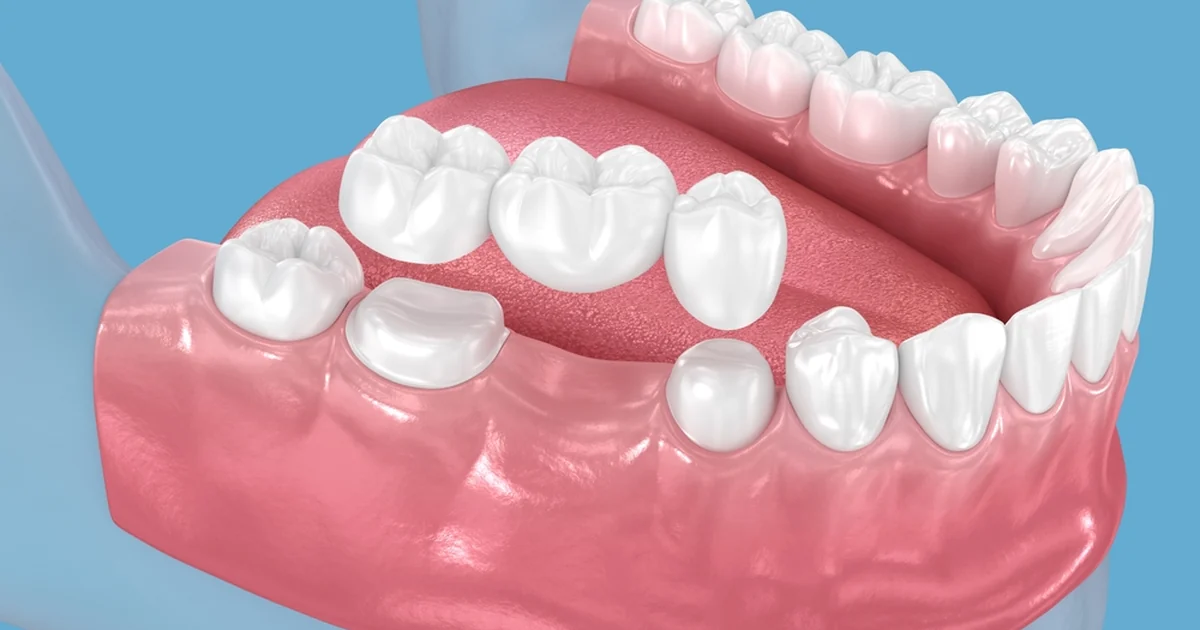
If grinding has already taken a toll, protecting what remains becomes part of the plan. Depending on the damage, that might mean white fillings to rebuild worn edges, dental crowns for teeth that have cracked or lost significant structure, or porcelain veneers where front teeth have shortened. Sensitivity from exposed dentine can often be managed with desensitising treatments and a change of toothpaste.
There is little point restoring worn teeth without addressing the force that wore them, so a splint usually accompanies this work.
Signs Worth Getting Checked
Book an assessment if you notice any of these:
- Jaw ache or tiredness, particularly in the morning
- Earache, or a feeling of pressure in front of the ear
- Headaches around the temples
- Teeth that look flattened, chipped or increasingly sensitive
- Clicking, locking or discomfort in the jaw joint
- Indentations along the sides of your tongue or ridges inside your cheeks
- Restorations that keep chipping or coming loose
At your check-up we examine tooth surfaces for wear patterns, check your bite, and assess your jaw joints and muscles. From there we can talk through which of these four approaches makes sense for you.
What Happens If Grinding Is Left Alone
Enamel does not grow back. Once it has been worn through in an area, the softer dentine underneath wears several times faster, which is why grinding damage tends to accelerate rather than plateau. Teeth can shorten noticeably over the years, edges chip, and sensitivity increases as dentine becomes exposed.
There are knock-on effects too. Worn back teeth allow the bite to close further, which loads the front teeth more heavily. Restorations fail sooner than they otherwise would. Jaw muscles that work overnight can stay tight during the day, contributing to headaches and facial soreness.
None of this is inevitable, and none of it happens overnight. It is simply the reason we raise grinding when we see the early signs, rather than waiting until the damage is obvious.
Talk to Us About Grinding
If any of this sounds familiar, our team can assess the signs and discuss treatment for grinding and clenching, including custom night splints made from a digital scan. Call Precision Dental on (07) 3852 1160 or book online.