People often assume their teeth have become stained. Sometimes that is exactly what has happened. Just as often, the change is structural, and it is worth knowing which applies to you before spending money on the wrong solution.
A Tooth Has Two Layers That Matter
Enamel is the outer shell: hard, semi-translucent and almost white. Dentine lies beneath it: softer, and naturally yellow to yellow-brown.
What you see is a combination of the two. Light passes through enamel and reflects off the dentine underneath, so the thickness of the enamel determines how much of that yellower layer shows through.
What Changes Over the Years
Enamel Thins
Enamel wears gradually from brushing, chewing, acidic food and drink, and grinding and clenching. As it thins, more dentine shows through, and the tooth appears darker and sometimes more translucent at the edges.
Dentine Thickens and Darkens
In response to a lifetime of stimulation, the pulp lays down additional dentine inside the tooth. This secondary dentine is denser and darker, so the tooth becomes less translucent and more yellow from the inside.
These two processes together are why a 55-year-old's teeth are rarely the shade they were at 20, even with excellent hygiene.
Surface Stain Accumulates
On top of that, pigments from coffee, tea, red wine and tobacco bind to the surface film. This is the layer that polishing removes.
Restorations Age
Older composite fillings and crowns do not change colour in the way teeth do, but they can stain at the margins and can become mismatched as the surrounding teeth darken.
A Single Tooth Darkens
A tooth that darkens on its own is a different situation. It often follows an old injury, where the nerve has died and blood products have discoloured the dentine from within. These teeth sometimes need root canal therapy, after which internal whitening may be possible.
What Each Approach Actually Fixes
A professional clean removes tartar and surface stain. It does not change internal colour, but for many people it makes more difference than expected.
Professional whitening works on internal colour by breaking down pigmented compounds inside the tooth structure. It is effective for age-related yellowing in most people, and less predictable for grey discolouration or certain developmental stains.
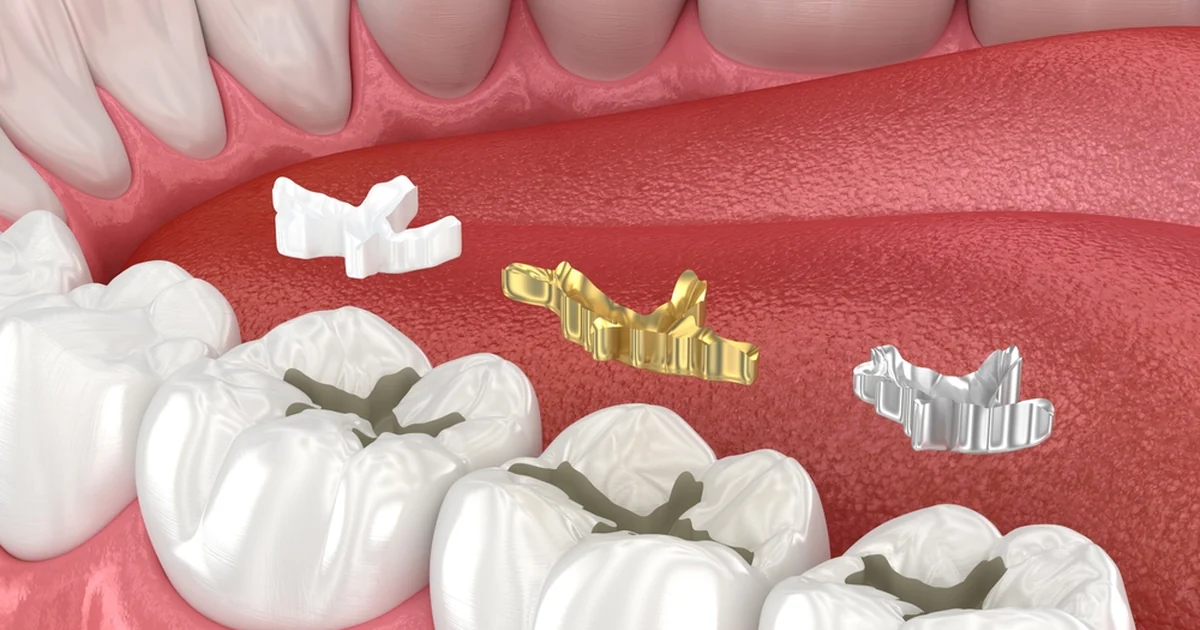
Bonding and veneers cover the tooth surface, which is the option when colour cannot be changed sufficiently by whitening, or when shape and colour both need addressing. Composite bonding is more conservative; porcelain veneers are more stain-resistant but require enamel removal.
Replacing older restorations brings mismatched fillings and crowns back into line with the teeth around them. If you plan to whiten, it should be done first, as white fillings do not lighten with whitening gel.
What Cannot Be Reversed
Enamel does not regrow. Once it has thinned, protecting what remains is the only option, which means a soft brush, non-abrasive toothpaste, moderating acidic drinks, and a night splint if grinding is contributing.
This is why we are cautious about abrasive whitening products. They lift surface stain at the cost of the layer that is keeping your teeth looking lighter in the first place.
Looking After the Enamel You Have
Since thinning enamel is a major part of why teeth darken, protecting what remains is the most effective long-term measure.
Use a soft brush and a low-abrasion toothpaste, and brush gently rather than vigorously. Leave at least 30 minutes between acidic food or drink and brushing. Moderate how often acidic drinks appear during the day rather than focusing only on how much.
If grinding is wearing your teeth, a night splint prevents damage that no cosmetic treatment can reverse. And if you have reflux, treating it matters for your teeth as well as your comfort, since stomach acid is considerably stronger than anything in your diet.
A Sensible Order
If brightness is your goal, the sequence that usually makes sense is:
1. A check-up and clean, to remove tartar and stain and confirm your teeth and gums are healthy
2. Professional whitening, if internal colour is the issue and you are a suitable candidate
3. Replacing or re-matching restorations once the new shade has stabilised
4. Bonding or veneers only where whitening alone cannot achieve what you want
Skipping to step four is common and is sometimes necessary, but it is worth knowing you have skipped steps.
What to Expect at Different Ages
Nobody keeps the shade they had at twenty, and expectations should account for that. Teeth in a healthy fifty-year-old mouth are naturally darker and less translucent than teeth in a healthy twenty-year-old mouth, because of the structural changes described above.
That does not mean nothing can be done. It means the aim is usually a brighter version of your own teeth rather than a uniform white that would look out of place against your skin and eyes.
We record your starting shade before whitening so progress can be judged objectively, and we will tell you honestly when a particular expectation is unlikely to be met by whitening alone.
Talk to Us About Your Teeth
A consultation will tell you whether you are dealing with surface stain, internal colour or wear, and what each would realistically take to address. Call Precision Dental on (07) 3852 1160 or book online.