
Christmas Day is an outlier for teeth. Food is available continuously from breakfast onwards, drinks are topped up rather than finished, routines dissolve, and several traditional items are remarkably good at breaking teeth.
A few adjustments make it a better day for your teeth without taking anything away from it.
1. Beware the Things That Break Teeth
Every year brings the same casualties. Nut shells and the nuts cracked by hand. Unpopped popcorn kernels. Boiled lollies and candy canes bitten rather than sucked. Glacé fruit and olives with the stone left in. Crusty bread and pork crackling. Ice from the drinks esky. And the annual attempt to open a bottle with teeth.
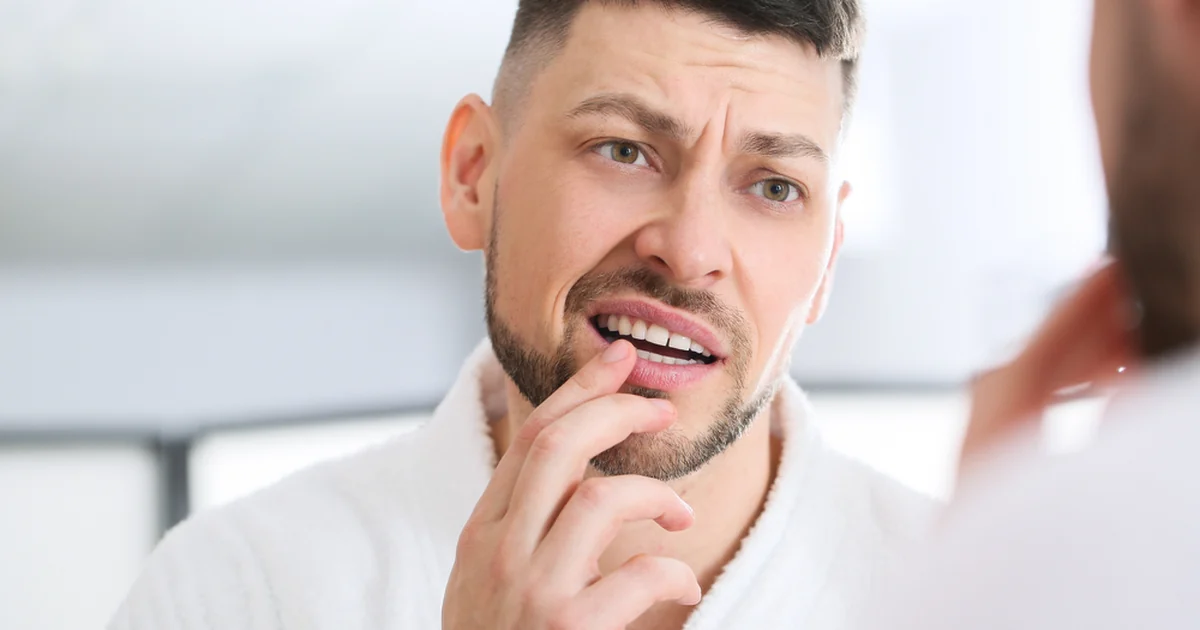
Use a nutcracker, check for stones and, if a tooth already has a large filling or a crown, treat it gently. Our pages on a broken tooth and a lost filling explain what to do if something goes wrong.
2. Sticky Is Worse Than Sweet
Toffees, caramels, nougat and dried fruit cling to teeth and sit in the grooves of molars long after the meal ends. They also pull at crowns, bridges and older fillings.
Chocolate is a better option than sticky or sour sweets, as it clears the mouth faster and is less acidic.
3. It Is the Grazing, Not the Feast
Each time something sweet or acidic passes your lips, your mouth stays acidic for roughly 20 to 40 minutes afterwards. One dessert is one acid cycle. A cheese board, chocolates and nibbles revisited across six hours is a near-continuous one.
The practical answer is not less food but fewer occasions. Sit down, enjoy it, then stop until the next meal.
4. Drinks Need More Attention Than Food
Sparkling wine, beer, cocktails, soft drinks and juice are all acidic, and most are sipped slowly, which is the worst pattern for teeth. Alcohol also dries the mouth, reducing the saliva that would otherwise neutralise acid.
Alternate with water, drink water alongside rather than only afterwards, and avoid nursing one glass for hours where you can.
5. Leave Brushing for Half an Hour
After acidic food and drink, enamel is temporarily softened. Brushing straight away wears it. Rinse with water or chew sugar-free gum, then brush later.
6. Keep the Routine, Especially for Children
Christmas Day runs long and children are usually exhausted by bedtime. Brushing earlier in the evening, before everything falls apart, is better than skipping it.
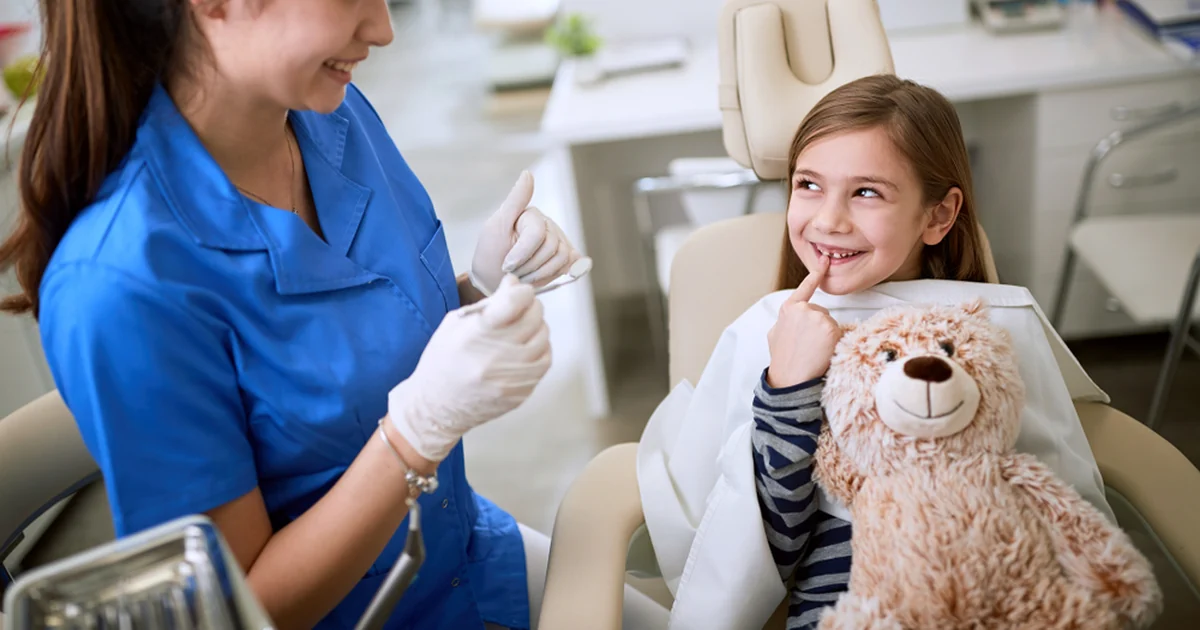
Stockings are worth a thought too. Chocolate coins and candy canes grazed on from early morning create hours of acid exposure. Setting treat times rather than leaving everything accessible, and offering water as the default drink, helps considerably. Our children's dentistry visits cover this without lecturing.
Mind the Teeth You Have Already Had Work On
Crowns, bridges, veneers and large older fillings are the restorations most likely to come to grief over Christmas, because they take the same forces as natural teeth without the same ability to flex.
If you have had significant work done, be deliberate about which side you chew on when something is hard, avoid biting directly into anything with a stone or a shell, and treat toffee and caramel with suspicion, since sticky foods are very good at lifting restorations.
If you wear a night splint, keep wearing it through the break. Grinding often increases with hosting, late nights and alcohol, which is exactly when the protection matters most.
7. Deal With Niggles Before the Break
This is the one that matters most. Dental practices, including ours, close over parts of the Christmas period, and a tooth that has been sensitive for weeks has a habit of becoming urgent on a public holiday.
If something has been bothering you, book before the break. If you are travelling, pack a small kit with dental wax, temporary filling material from a pharmacy and simple pain relief, and check whether your travel insurance covers emergency dental treatment.
Travelling Over the Break
If you are heading away, pack your toothbrush, toothpaste and interdental cleaners in hand luggage rather than a checked bag, so a delayed suitcase does not cost you several days of routine. Take your night splint if you wear one, in its case.
Somewhere remote or overseas is worth a little preparation: note where the nearest dental practice is, and check whether your travel insurance covers emergency dental treatment. Most policies cover pain relief rather than definitive treatment.
A small kit with dental wax, temporary filling material from a pharmacy and simple pain relief covers most short-term problems until you can be seen properly.
If Something Goes Wrong
Call us as early as possible and we will do our best to see you. Our Emergency Dentistry page explains what to do in the meantime for the most common problems.
For severe facial swelling affecting breathing or swallowing, uncontrolled bleeding or a suspected jaw fracture, call 000 or go to your nearest hospital emergency department.
Book Before the Rush
A check-up and clean before the holidays is the simplest way to avoid a Christmas problem. Call Precision Dental on (07) 3852 1160 or book online.