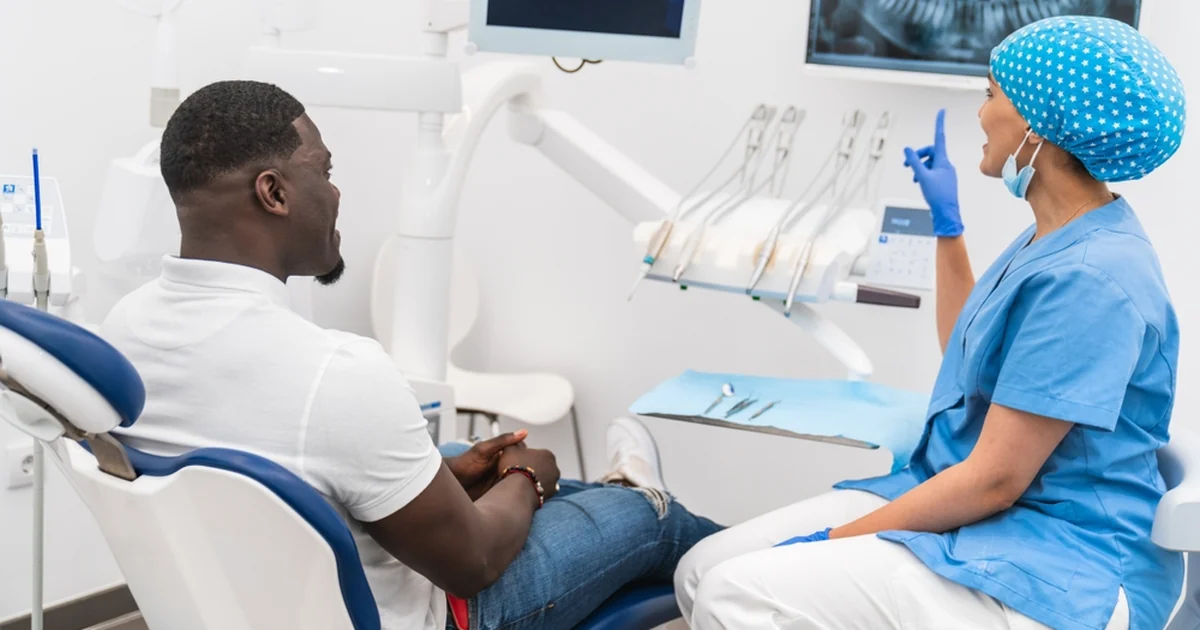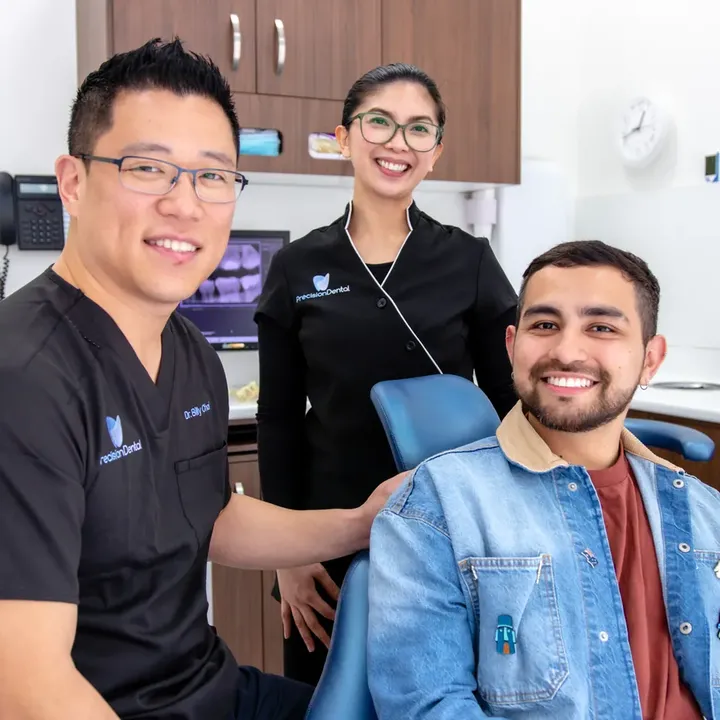

A check-up is a short appointment with a lot of information packed into it, and most of that information stays with the dentist. With a few questions, the same visit can tell you where you stand, what is changing, and what you should actually do about it.
Raise Things at the Start, Not at the End
The most common missed opportunity is the question asked while standing at reception with a coat on. Raise your concerns at the beginning, when there is still chair time to examine whatever you mention.
Worth raising:
- Any tooth that feels different, and what triggers it
- Bleeding gums, bad breath or a persistent taste
- Clicking, tightness or morning ache in your jaw
- Sensitivity, and whether it has changed
- Anything cosmetic you have been wondering about
- New medications, pregnancy or a change in your health
That last point genuinely affects care. Many common medications reduce saliva, which raises decay risk significantly.
Questions Worth Asking
About What You Have Now
- How are my gums, specifically? Have the measurements changed since last time?
- Are any teeth being watched, and what exactly are you watching?
- Is there any wear from grinding?
- Can you show me what you are seeing?
Seeing an intra-oral photograph or an X-ray changes the conversation entirely. It is much easier to decide about a tooth you can see than one being described.
About Recommended Treatment
- Why this treatment rather than a smaller one?
- What happens if I wait six months?
- What are the alternatives, and what are their trade-offs?
- How long will it last, and what maintenance does it need?
- What is the total cost, including any crown or follow-up afterwards?
Asking what happens if you wait is particularly useful. Sometimes the answer is that waiting is reasonable and we will monitor it. Sometimes it is that waiting turns a white filling into a crown. Either way, you learn how urgent it really is.
About Prevention
- What is my personal decay and gum disease risk?
- What one change would make the biggest difference for me?
- Is my brushing technique working? Can you show me where I am missing?
- Which interdental brush size fits my gaps?
Ten minutes of practical demonstration usually achieves more than years of general advice.
Understand the Interval
"See you in six months" is a default, not a rule. Ask why your interval is what it is. People with a history of periodontitis, frequent decay, dry mouth or diabetes often benefit from three or four monthly maintenance, while others with stable gums can safely go longer. Your preventive care for adults plan should reflect your own risk.
Get the Plan in Writing
If treatment is recommended, ask for a written plan with item numbers and costs. That lets you check rebates with your health fund, compare if you want a second opinion, and decide in your own time rather than on the spot. Our Prices and Payment Options page sets out payment methods and plans.
Staging a larger plan is often possible. Ask what is urgent, what can wait, and what order makes clinical sense.
Before You Leave
- Book your next visit while you are there
- Confirm any follow-up for treatment discussed
- Ask for written aftercare instructions if you have had treatment
- Make sure you know who to call if something changes
Between Appointments
Most of your oral health happens in the months between visits.
- Brush twice daily for two minutes with a soft brush and fluoride toothpaste, and spit rather than rinse
- Clean between your teeth daily with floss or the interdental brush size recommended for you
- Act on the one change discussed rather than trying to overhaul everything
- Wear your splint if grinding and clenching was identified
- Keep a note of anything new so you remember it next time
If something changes significantly, such as a new area of bleeding, pain or a chip, do not wait for the next scheduled visit.
Bring the Practical Details With You
A few things make the appointment run better and are easy to forget.
Bring your health fund card so claims can be processed on the spot, and your Medicare card if a child may be eligible for benefits. Note down the medications you take, including doses and anything over the counter, as this genuinely affects dental care.
If you have had treatment elsewhere recently, mention it, and ask your previous practice to send your records and X-rays. There is no sense repeating imaging unnecessarily, and older images give us valuable history for comparison.
If you are pregnant, or there has been any change to your health, tell us at the start rather than at the end.
Book Your Check-Up
Come with questions, and we will make sure you leave with answers. Call Precision Dental on (07) 3852 1160 or book online.