Six months is the interval most of us grew up with, and for many people it remains a sensible rhythm. It is not a universal rule, though. Some people benefit from visiting more often, others can safely stretch the gap, and the right answer depends on your own risk of decay and gum disease.
What does not change is the value of seeing a dentist regularly rather than only when something hurts. Here is what those appointments are actually doing.
1. Decay Is Easier to Treat Early
Tooth decay does not announce itself. It begins in the enamel, where there are no nerve endings, and can progress quietly for a long time before it causes any sensation. By the time a tooth aches, the decay has often reached the inner layers, and treatment becomes more involved.
Found early, the same problem may need only a small white filling, or in its earliest stages may be able to be remineralised with fluoride and better home care. Digital X-rays and DiagnoCam imaging help us see between teeth and beneath existing fillings, where decay commonly hides.
2. Gum Disease Develops Without Pain
Gum disease follows a similar pattern. Gingivitis, the early stage, causes redness and bleeding but rarely hurts, and it is reversible with professional cleaning and good home care. Periodontitis, the advanced stage, damages the bone supporting your teeth and cannot be reversed.
At each visit we measure the depth of the spaces around your teeth and record bleeding, which lets us track changes over time rather than relying on how your gums look on the day.
3. Tartar Cannot Be Removed at Home
Plaque hardens into tartar within days, and once it does, brushing and flossing will not shift it. Tartar sits along and beneath the gum line, holding bacteria against the gum tissue and keeping inflammation going. A professional clean removes it, which is why cleaning at home and cleaning at the practice do different jobs.
4. Wear, Cracks and Failing Restorations Get Spotted
Teeth take a beating over the years. Grinding wears enamel flat, old fillings develop leaking margins, and hairline cracks spread slowly. None of these are obvious to you until they cause a problem.
Regular examinations pick up wear patterns and cracks early, which is when a protective approach such as a splint for grinding and clenching or a smaller restoration is still possible.
5. Your Mouth Reflects Your General Health
A dental examination includes a check of the soft tissues: your tongue, cheeks, palate and the floor of the mouth. We look for ulcers that have not healed, changes in texture or colour, and anything that warrants further investigation or referral.
Several general health conditions also show up in the mouth or change your dental risk, including diabetes, pregnancy, and dry mouth caused by medications. Keeping us updated on your medical history helps us tailor your care.
6. Your Risk Changes, So Your Plan Should Too
A new medication that causes dry mouth, a stressful year that brings on clenching, a change in diet, orthodontic treatment, gum recession that exposes root surfaces: all of these shift your risk profile. Preventive care for adults works best when it adapts.
Sometimes that means moving to three or four monthly maintenance visits for a period. Sometimes it means the opposite. We recommend an interval based on what we find rather than a fixed schedule for everyone.
7. Familiarity Makes Visits Easier
People who come regularly tend to find appointments less stressful. The visits are usually shorter, the treatment needed is usually simpler, and the practice becomes familiar rather than daunting. For anxious patients in particular, routine visits with nothing painful attached help rebuild confidence.
If it has been years since your last appointment, that is common, and it is not something we comment on. We start where you are.
What Happens at a Check-Up and Clean
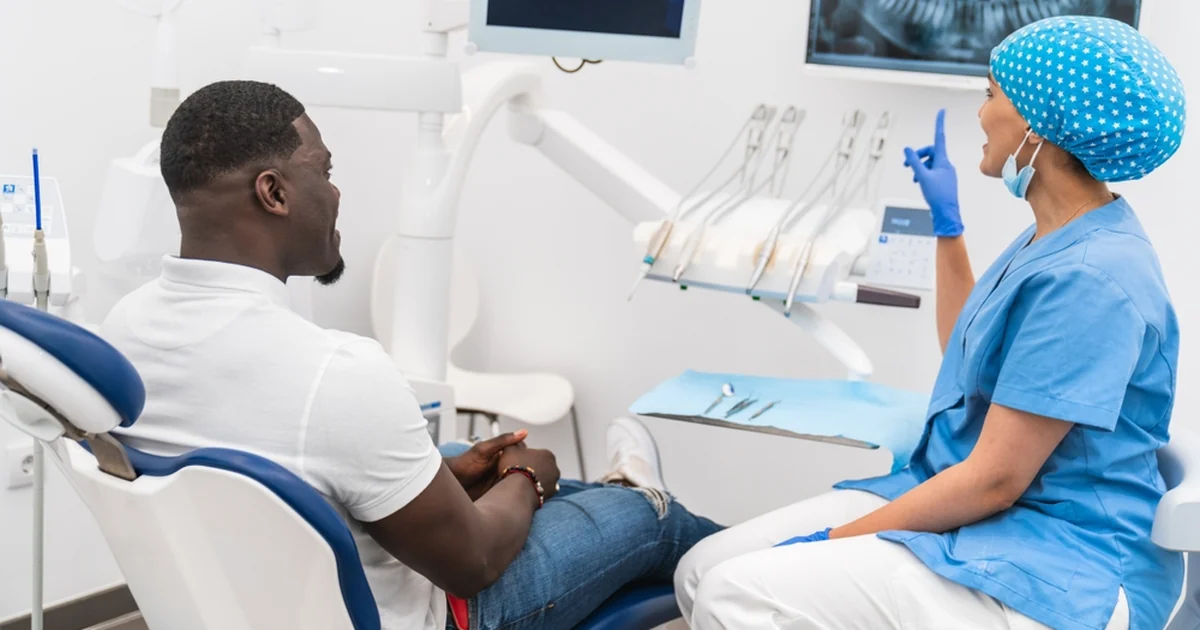
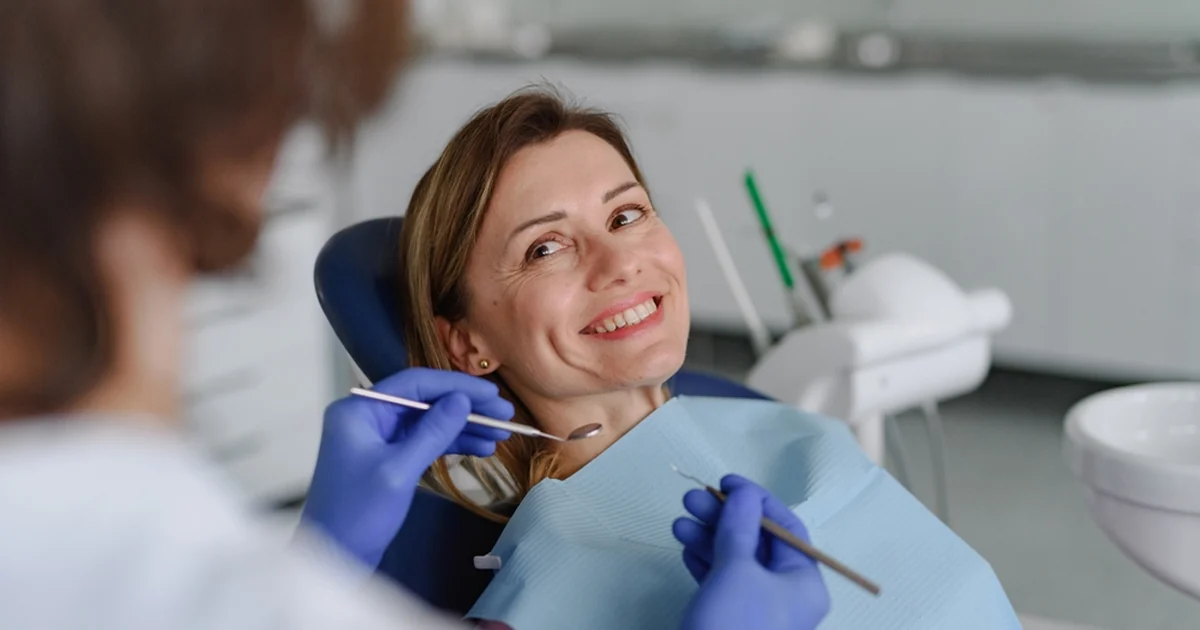
A typical visit includes a review of your medical history and any concerns, an examination of teeth, gums, bite and soft tissues, digital X-rays where they are indicated, removal of plaque and tartar, polishing, and often a fluoride application. We then explain what we found and agree on the right interval for your next visit.
Most appointments take between 30 and 60 minutes.
Is Six Months Right for Everyone?
Six months is a convention, not a clinical rule. It suits a great many people, but the useful question is how quickly problems tend to develop in your mouth.
More frequent visits, often every three or four months, may be recommended if you have a history of periodontitis, frequent decay, a dry mouth from medication, diabetes, or if you smoke. Patients partway through more involved treatment are often reviewed more closely as well.
Longer intervals can be appropriate for people with consistently healthy gums, no recent decay and excellent home care. We would still suggest a yearly examination in that situation, because soft tissue checks and X-ray monitoring do not depend on how well you brush.
The right interval is a clinical judgement based on what we find, and it can change in either direction over time.
Book Your Next Check-Up
Whether you are due, overdue or simply unsure how often you should come, our team is happy to advise. Learn more about our check-up and clean, call Precision Dental on (07) 3852 1160 or book online.