Veneers are one of the most talked-about cosmetic treatments and one of the most misunderstood. Social media tends to show the result without the decision-making, the maintenance or the trade-offs, which leaves people either expecting too much or dismissing the idea entirely.
For patients coming to us from Teneriffe and the surrounding riverside suburbs, here is a straight explanation of what veneers do, who they suit and what is involved.
What a Veneer Is
A veneer is a thin covering bonded to the front surface of a tooth. It changes the colour, shape, length and proportion of that tooth. It does not change the position of the root, and it does not strengthen a tooth in the way a crown does.
There are two main types.
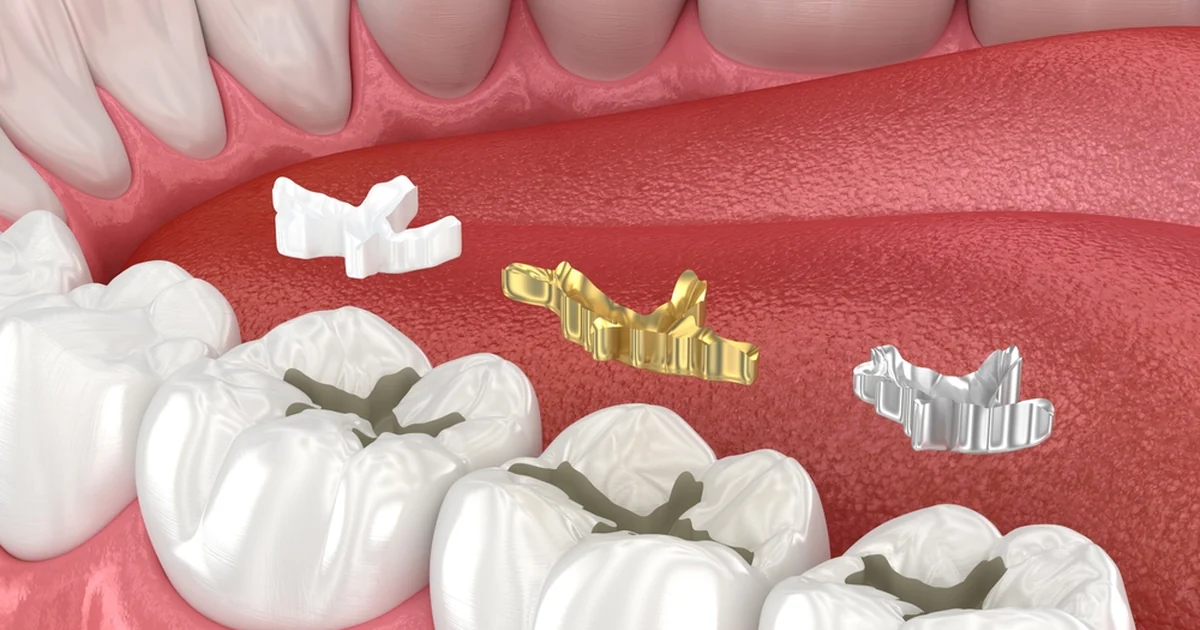
Porcelain veneers are custom-made ceramic shells produced from a scan or impression and bonded to the tooth. They resist staining well and handle light in a way that resembles natural enamel. A thin layer of enamel is usually removed to make room for them.
Composite resin veneers are built up directly on the tooth by hand, layer by layer, and polished. They usually need little or no enamel removed and are often completed in a single appointment. Composite stains and wears more readily than porcelain, so it needs more maintenance.
What Veneers Are Good At
- Teeth that are discoloured in a way whitening cannot address, including internal staining
- Chips, worn edges and small fractures
- Teeth that are irregularly shaped or too short
- Small gaps between front teeth
- Mild irregularity in alignment, where the teeth are otherwise well positioned
What Veneers Are Not the Answer For
- Significant crowding or bite problems. Covering misaligned teeth with veneers often means removing a lot of healthy tooth to make them appear straight. Straightening first with Invisalign and then, if needed, refining with minimal veneers is usually more conservative.
- Teeth that simply need whitening. If the shape is fine and only the colour bothers you, professional teeth whitening is far less invasive and much cheaper.
- Heavily broken-down teeth. These usually need crowns for structural support rather than veneers.
- Active decay or gum disease. These must be treated first, every time.
The Trade-Off Worth Understanding
With porcelain veneers, the enamel removed cannot be replaced. From that point on the tooth will always need a veneer or another restoration covering it. That is not a reason to avoid them, but it is a decision worth making with full information rather than enthusiasm alone.
Veneers can also chip, particularly in people who grind, and they may need replacement over the years. If we identify grinding and clenching, a protective night splint is part of the plan rather than an optional extra.
How the Process Works
Consultation
We start with a full examination, X-rays and photographs, and a check of your gums and bite. Then we talk about what you want to change, which is often more specific than people expect: the length of two front teeth, a chip that catches the light, the colour of one darker tooth.
Where it helps, we use Digital Smile Design to show proposed changes on screen. It is a planning tool and a visualisation, not a guarantee of the final result.
Preparation
For porcelain veneers, local anaesthetic is used, a thin layer of enamel is removed and a digital scan is taken. Temporary veneers may be placed while the final ones are made.
For composite, the tooth surface is prepared lightly, and the resin is shaped and set directly, often without anaesthetic.
Fitting
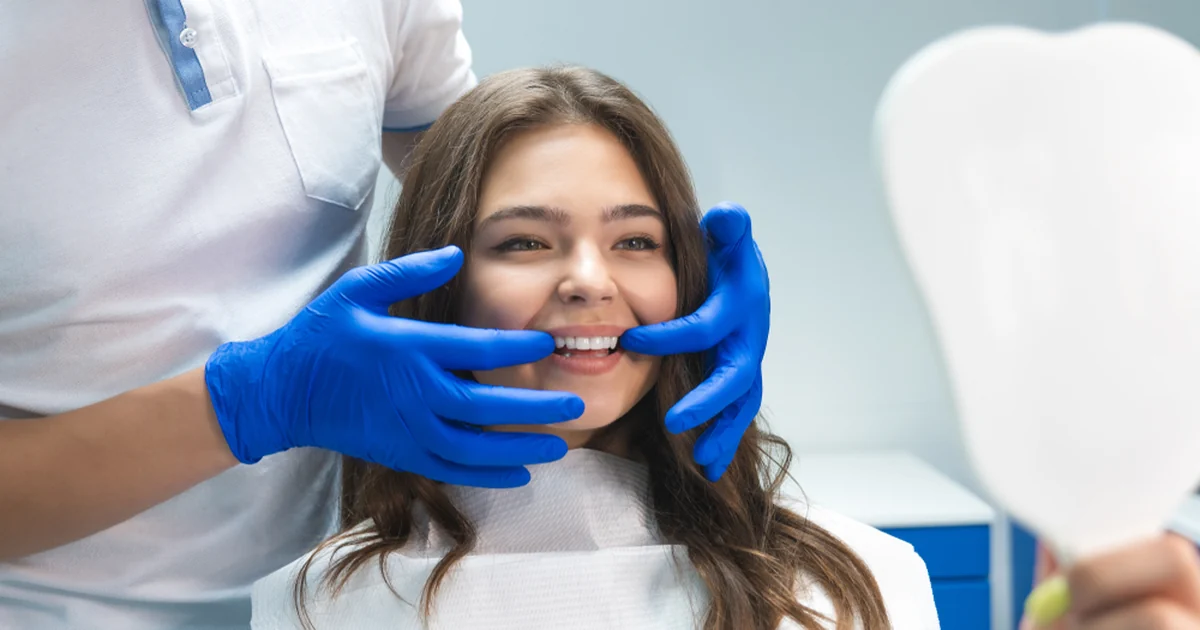
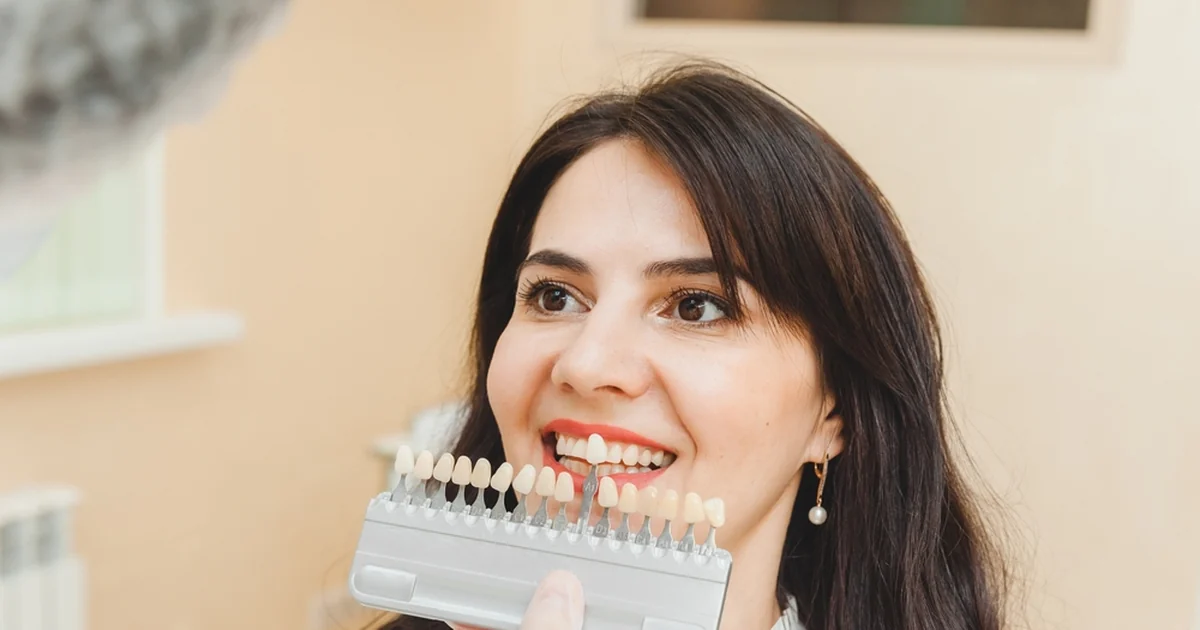
We check fit, shape and shade with you before anything is bonded permanently. This is your opportunity to ask for adjustments, and it is worth taking your time over it.
Review
About a week after fitting, we see you again to check your gums, your bite and how you are settling in, and to make any small refinements.
Looking After Them
Treat veneers like natural teeth, with a few extras. Brush twice daily with a soft brush and non-abrasive toothpaste, clean between your teeth daily, and keep up regular professional cleans, which include polishing that keeps composite looking its best. Avoid biting hard objects, wear a mouthguard for sport and a splint if you grind.
One practical point: whitening does not change the colour of veneers. If you intend to whiten your natural teeth, do it before veneers are made so the shade can be matched.
A Conservative Approach
Our position on cosmetic work is straightforward. We will tell you when a simpler option would achieve most of what you want, we will explain what each option costs in tooth structure as well as money, and we will never push a treatment plan you are unsure about. A cosmetic decision should still make sense to you a month later.
Patients travelling to us from Teneriffe will find free on-site parking at our Fortitude Valley practice, and our page for Dentist Teneriffe has more about visiting us.
Book a Consultation
If you are considering veneers, a consultation is the place to start, with no obligation to proceed. Call Precision Dental on (07) 3852 1160 or book online.
Prefer to watch? The Porcelain Veneer Process, Step by Step is a short video from our team.